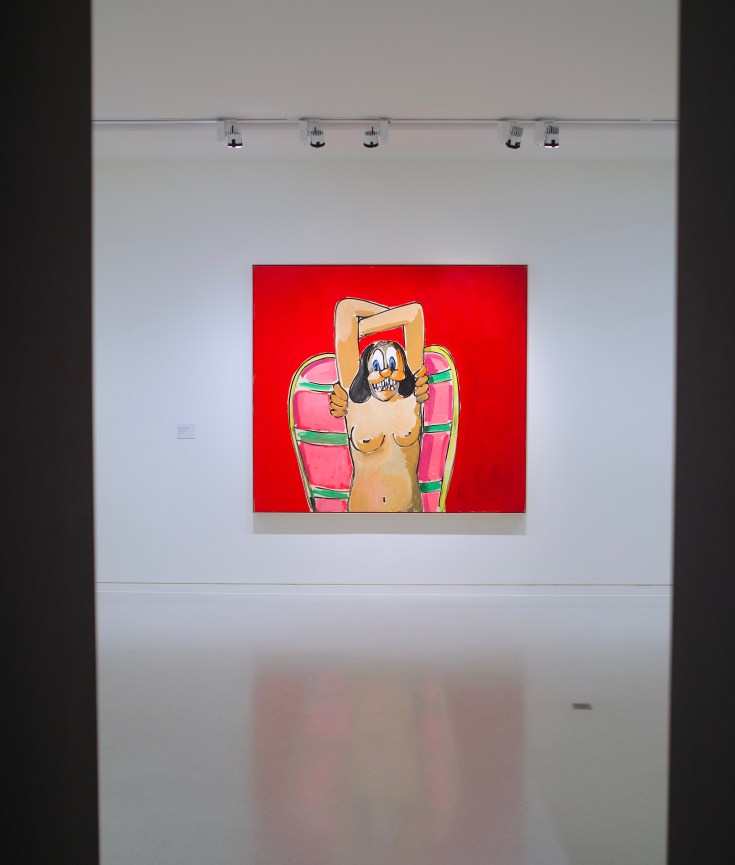

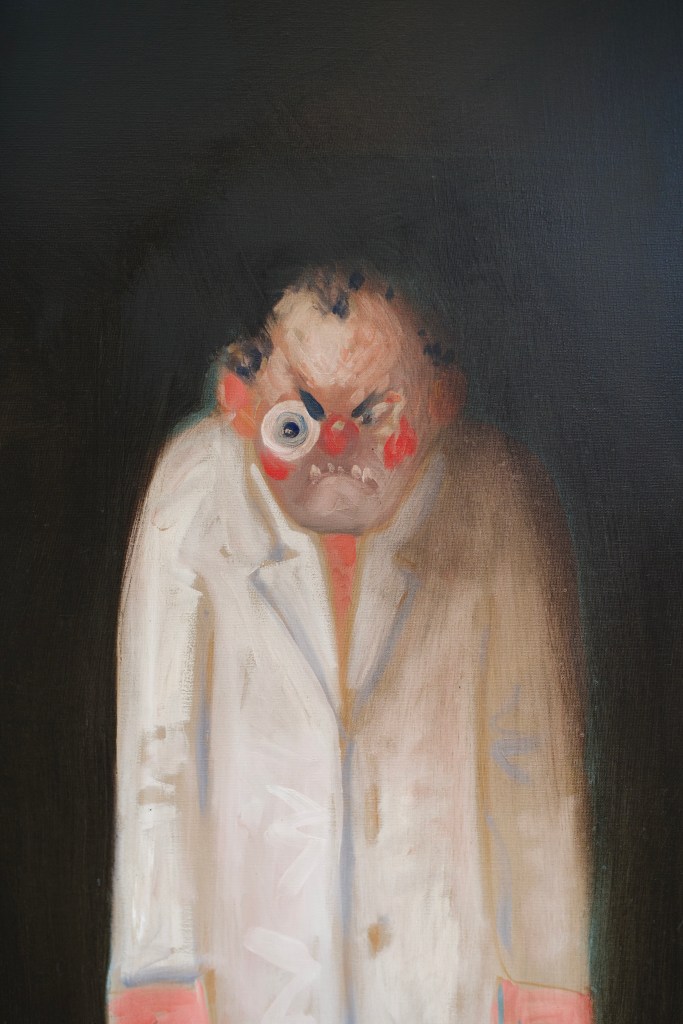
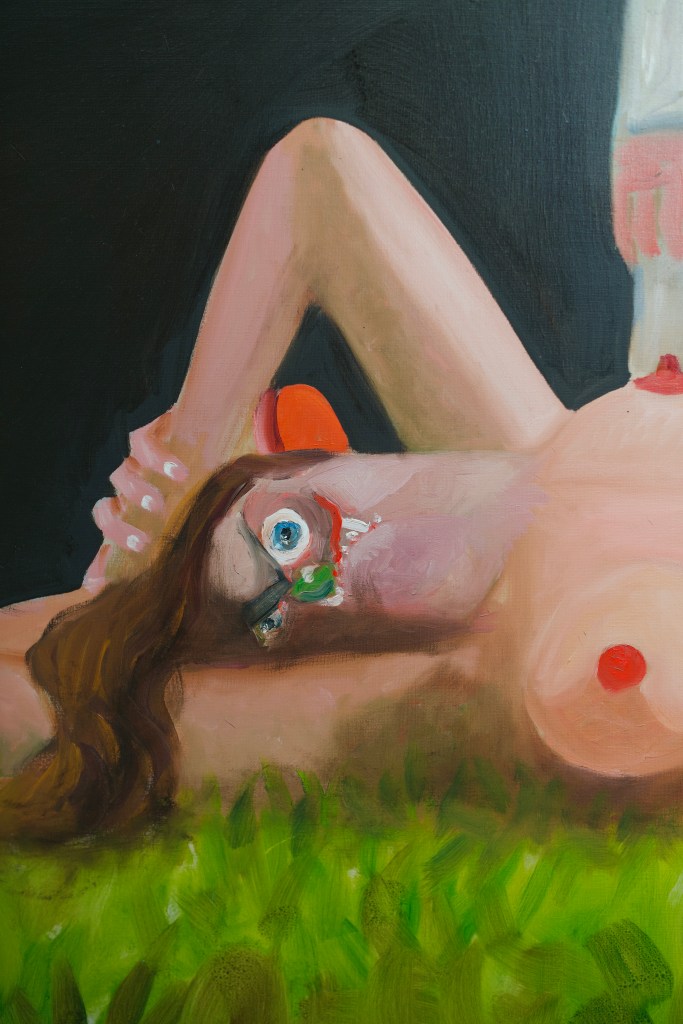
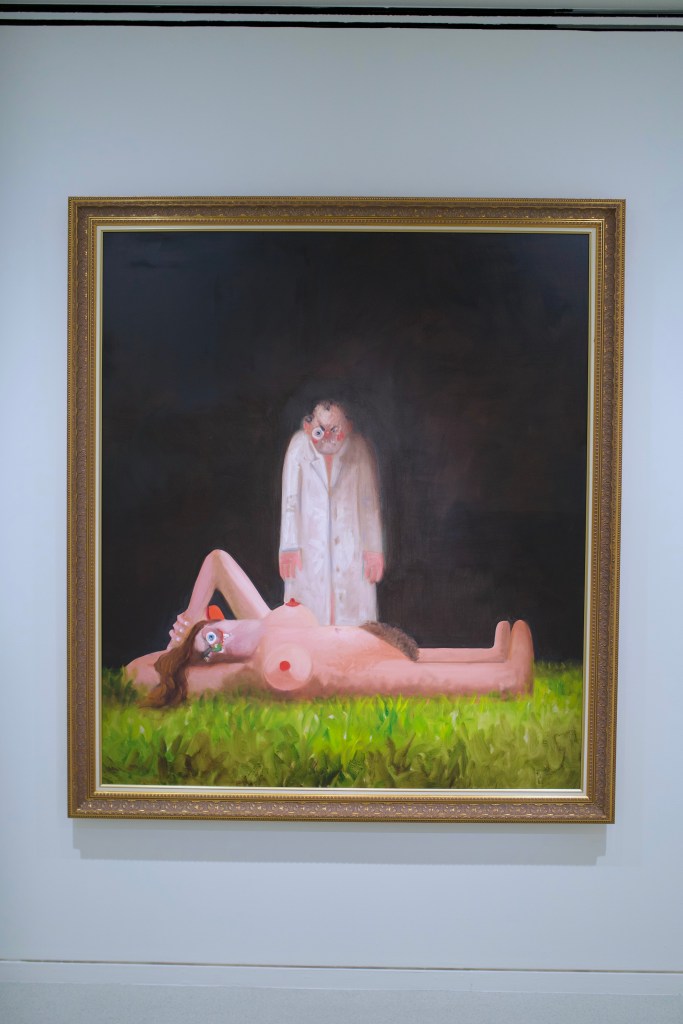
Top: The Super Model, 1999
In 1998, Christophe Maillot, choreographer and director of the Ballets de Monte-Carlo, invited George Condo to realize a stage curtain. Then, in 2000, the American artist collaborated again with the Ballets de Monte-Carlo to create the scenography and the costumes of the ballet Opus 40. More than twenty years later, George Condo comes back to the Principauté for an exhibition, ‘Humanoids‘, organized by the Nouveau Musée National de Monaco (NMNM) at the Villa Paloma, until October 1st 2023.
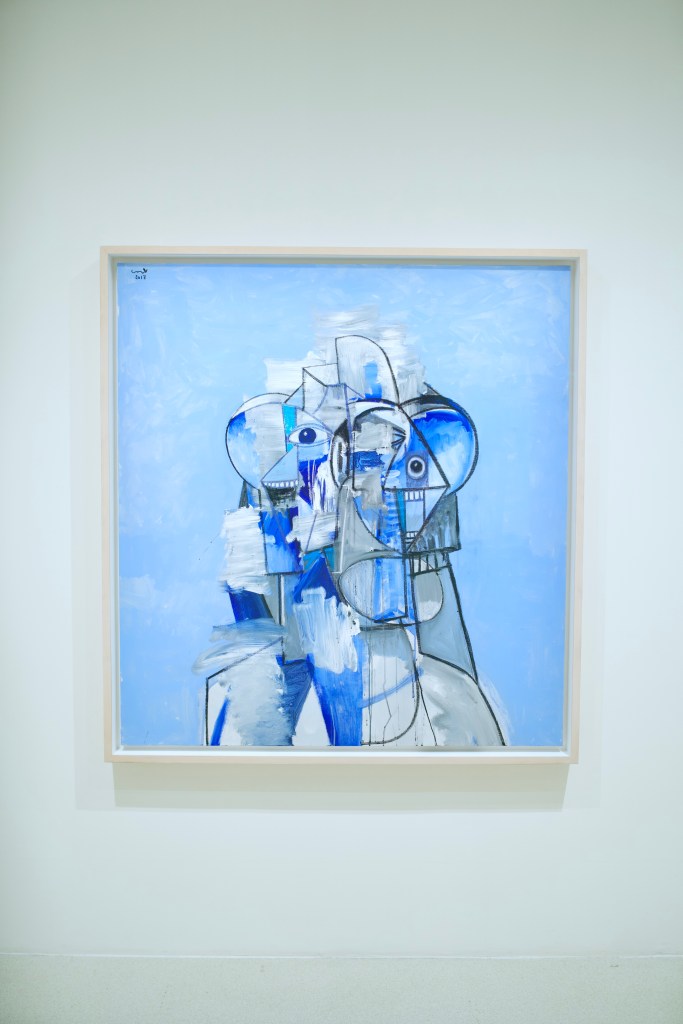


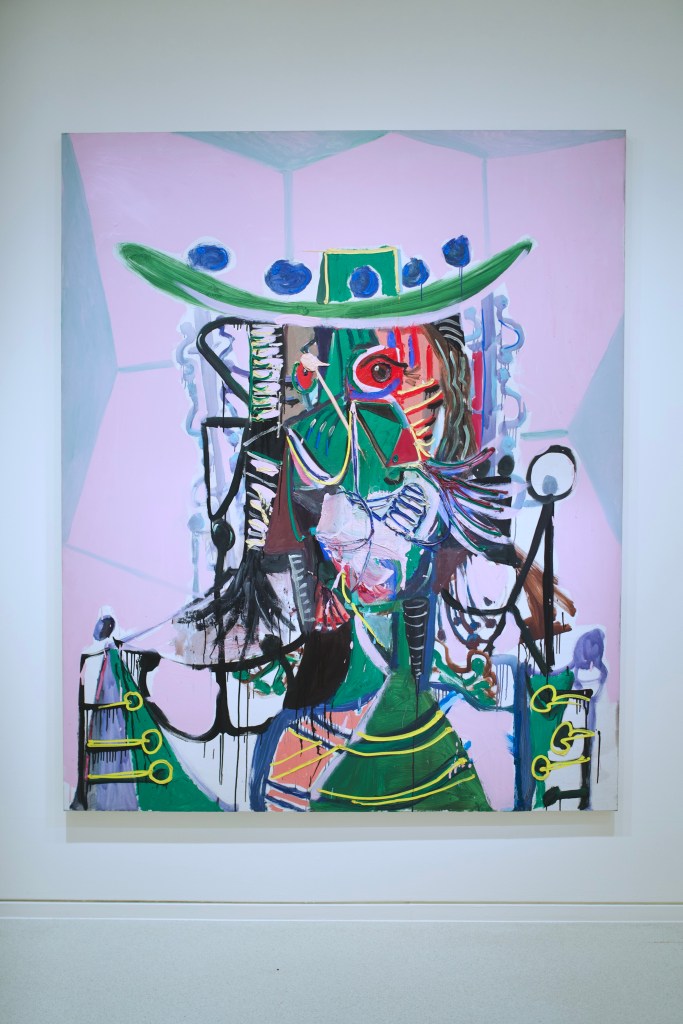
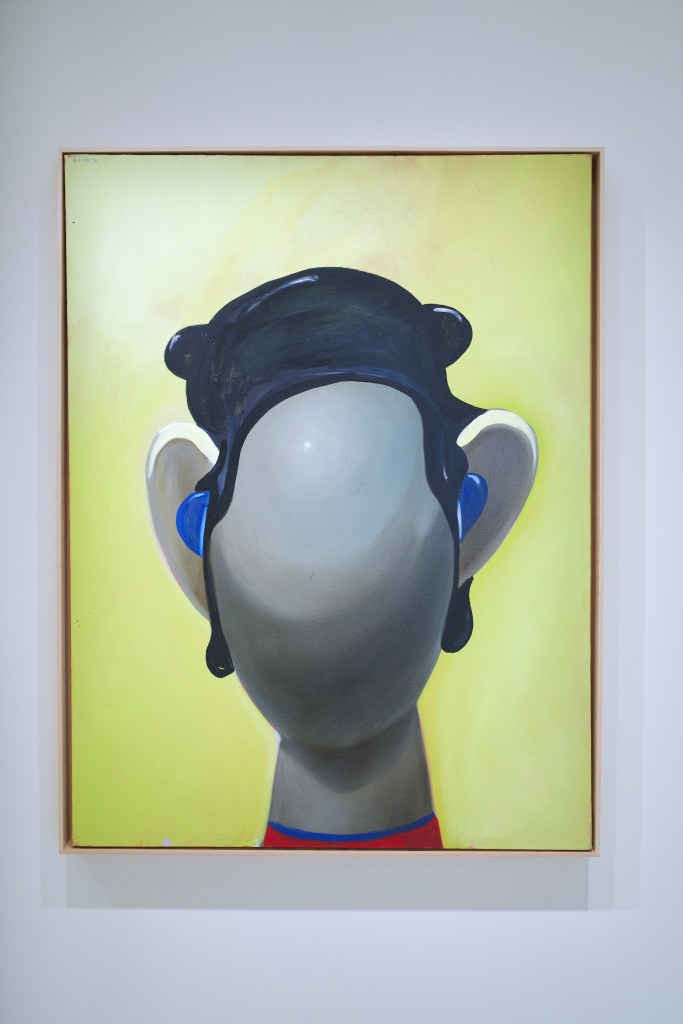
Born in 1957, George Condo met Jean-Michel Basquiat in Los Angeles at the end of the seventies, before moving to New York in 1980 and working at Andy Warhol‘s Factory for a while. Living in the burgeoning artistic community of the East Village of the early eighties, he also befriended with Keith Haring. He moved then in Europe (Germany, Paris where he connected with the French philosopher Felix Guattari who will influence his work). While he was living and exhibiting betwen New York and Paris, he got closer to the poets of the Beat Generation, especially William S. Burroughs with who he collaborated for a project of writings and etchings (Ghost of Chance) commissioned by the Whitney Museum in New York. His works not only can be seen in galleries, as he has been asked by various musicians to create visuals for their albums, from Danny Elfman’s Serenada Schizophrana (2006) to Kanye West’s My Beautiful Dark Twisted Fantasy (2010) and its controversial naked phoenix artwork used as cover of the album.
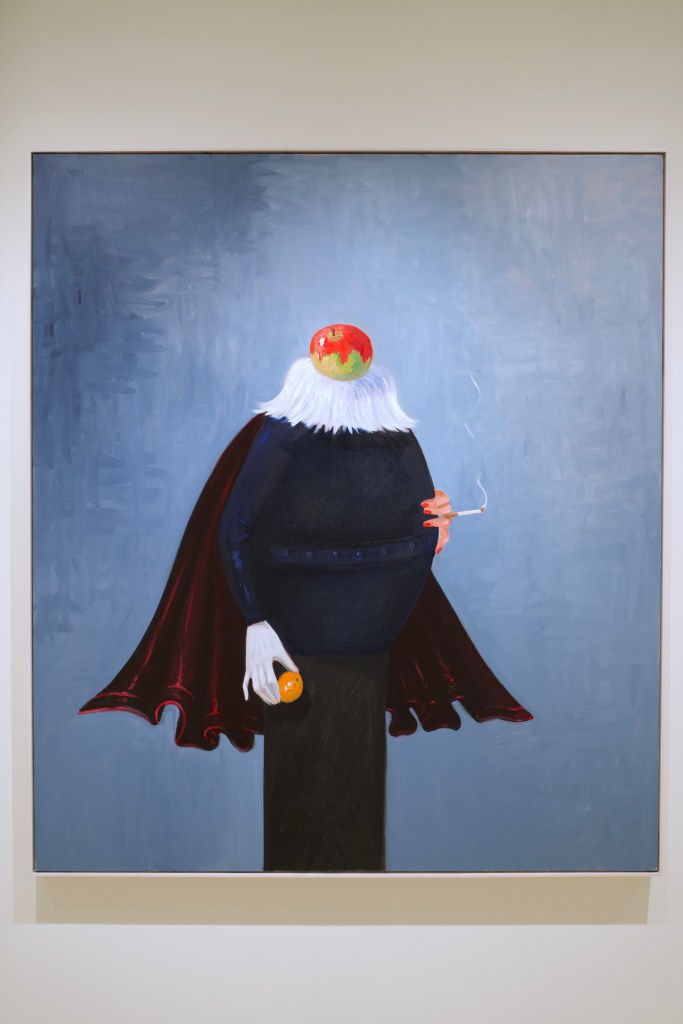

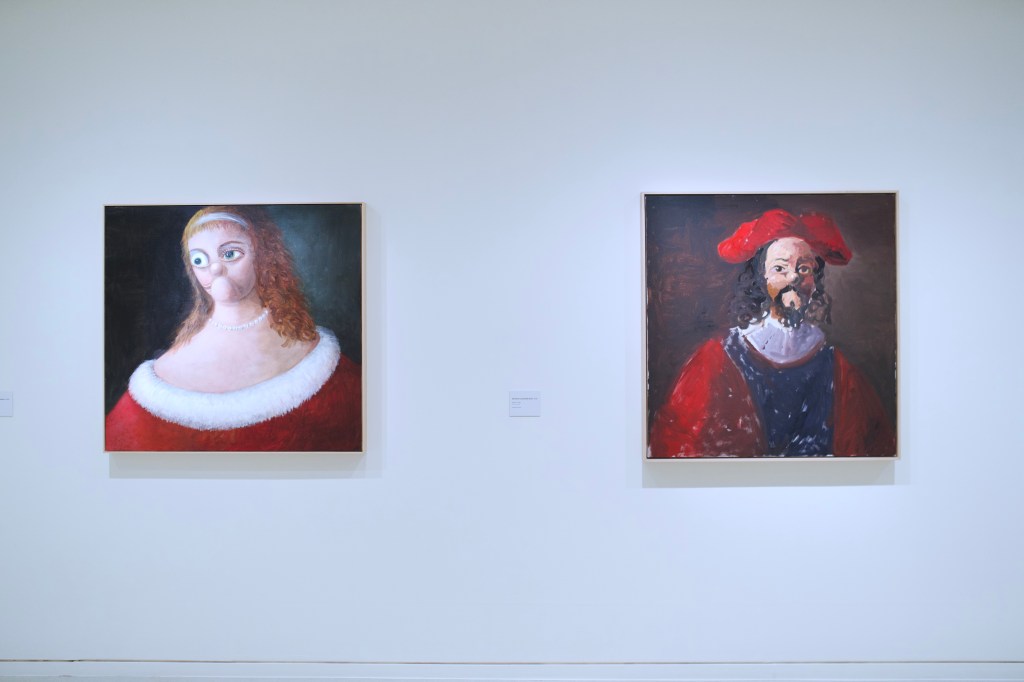
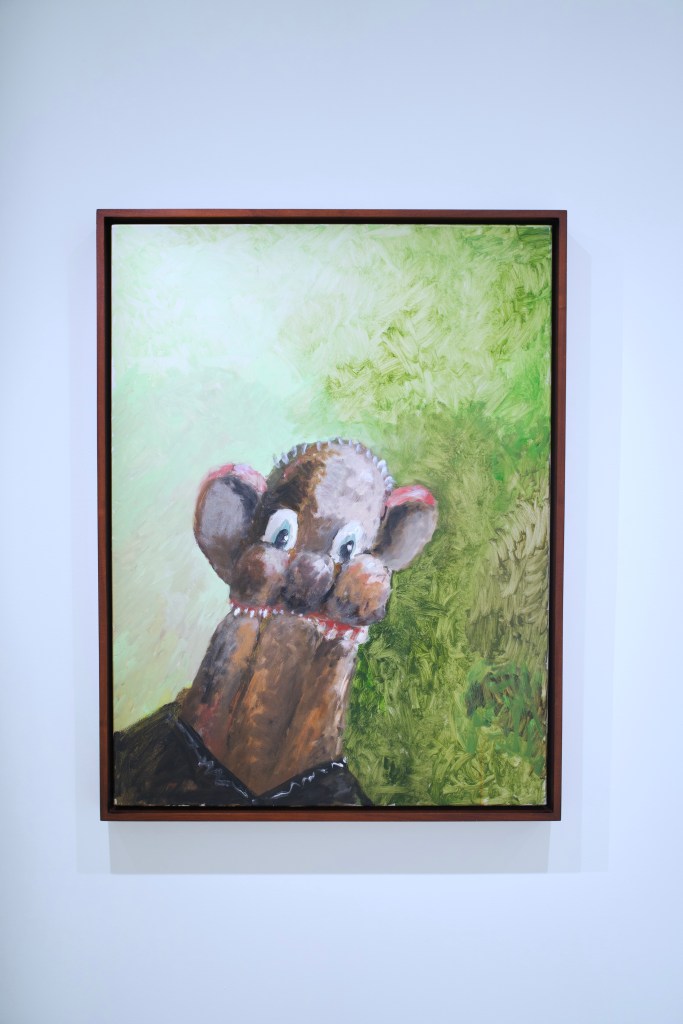
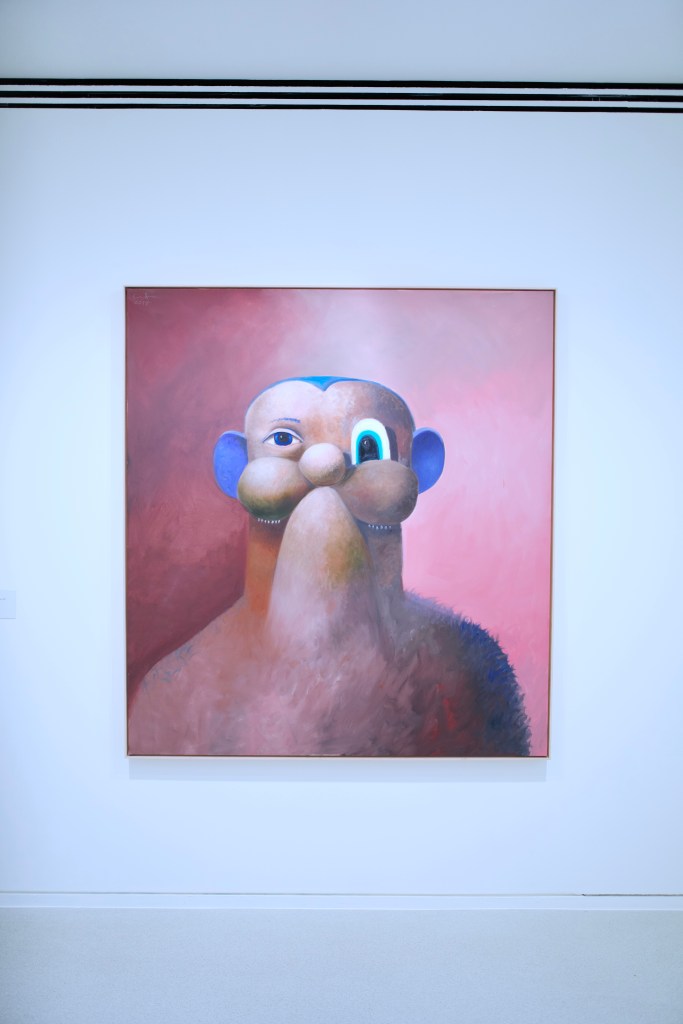
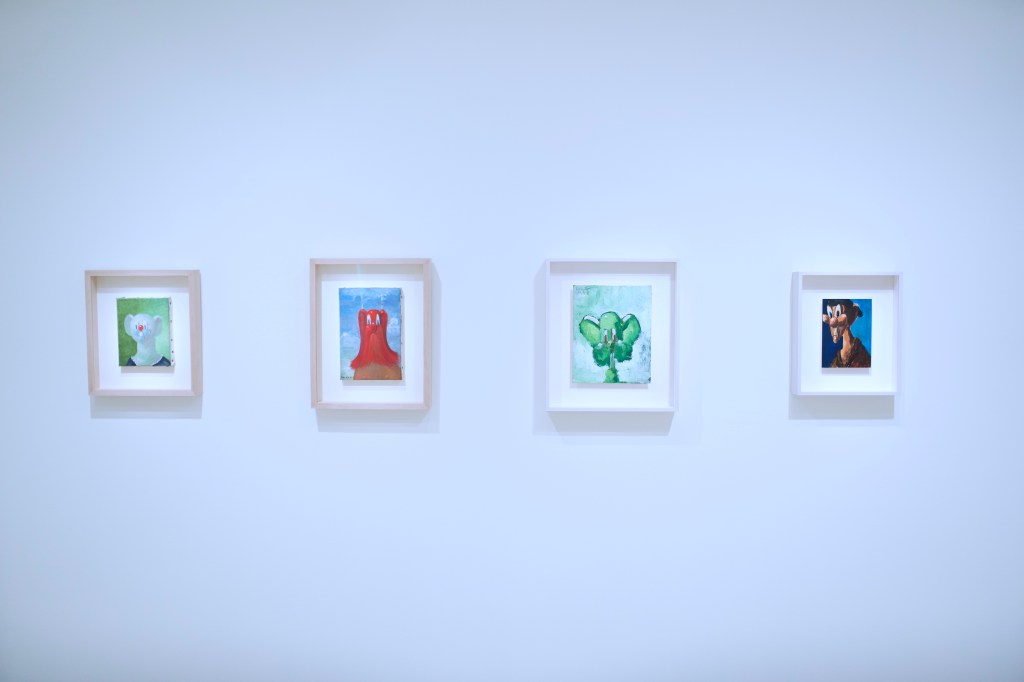
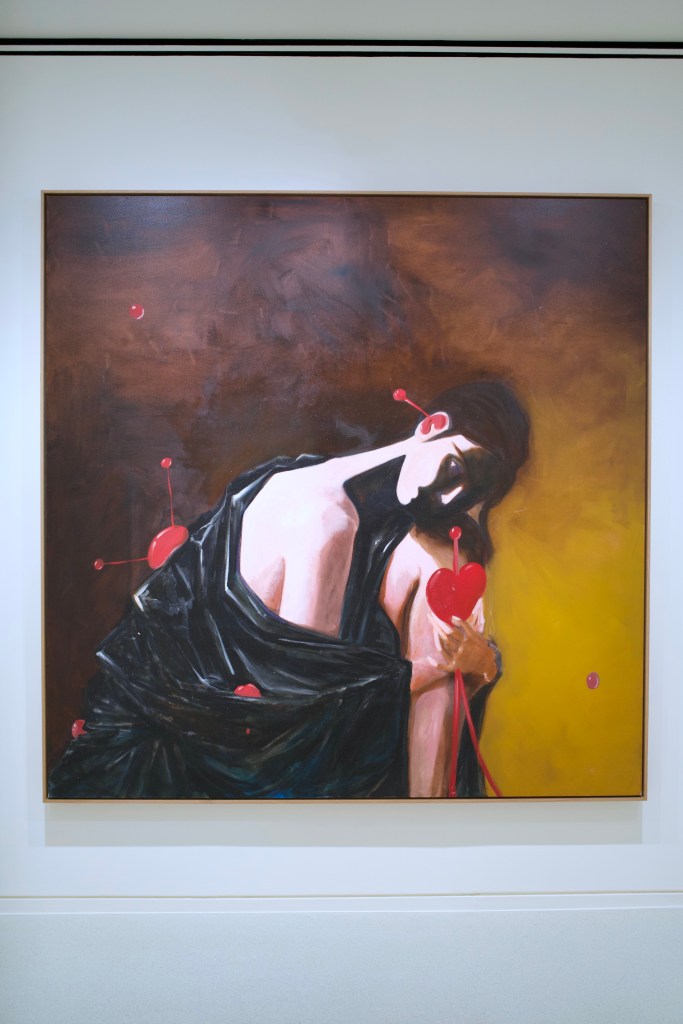
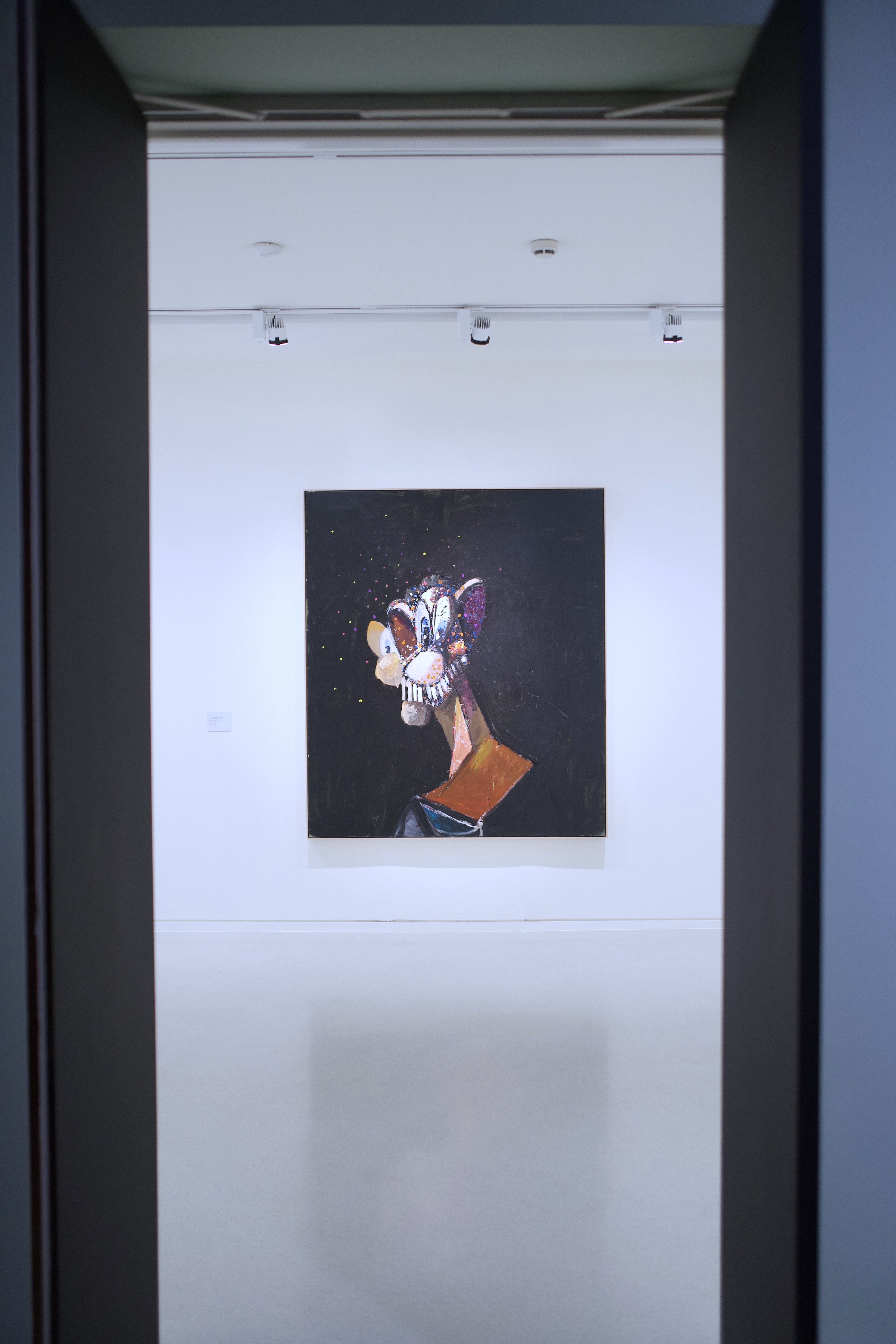
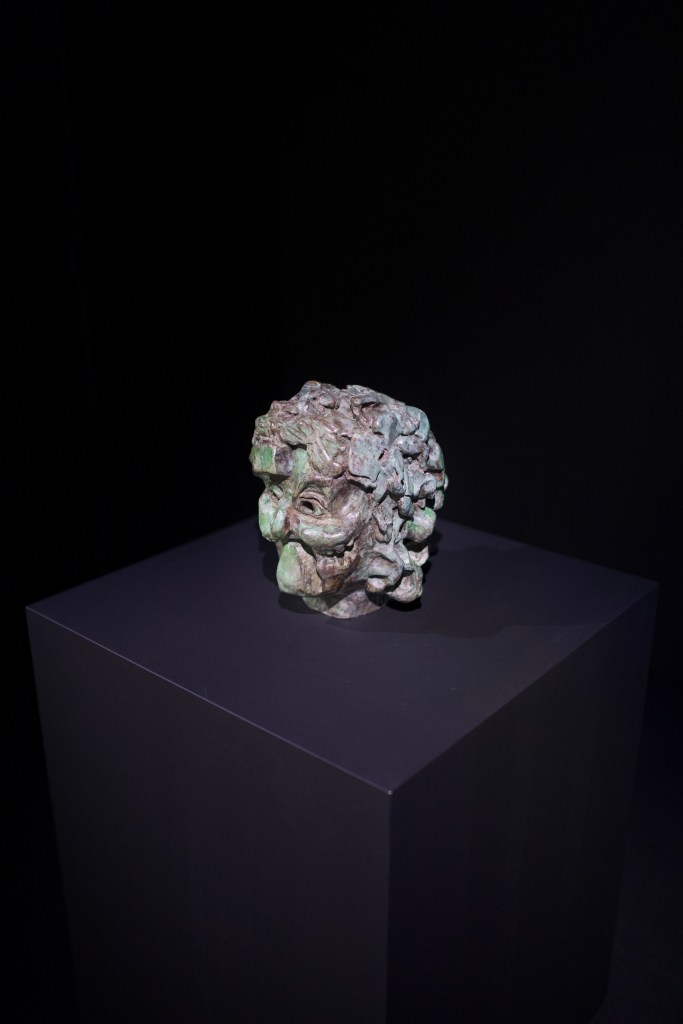
Cartoonish, eerie, grotesque, schizophrenic… the works of George Condo gather a weird bestiary that the artist has coined as ‘Humanoids’, to which he gives the following definition: “a reversed form of abstract art which takes the appearance of an emerging being… a figure trapped in its self perception and who looks like, in surface, what it imagines in its mind“. Thus, his paintings develop the idea of self perception in opposition to how others see us.
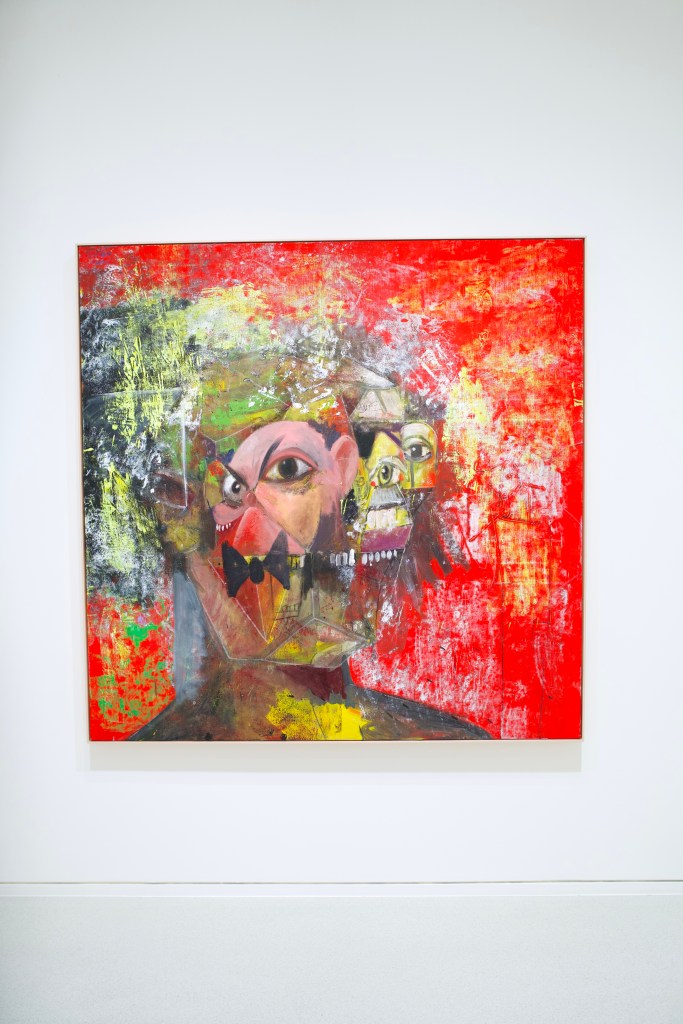
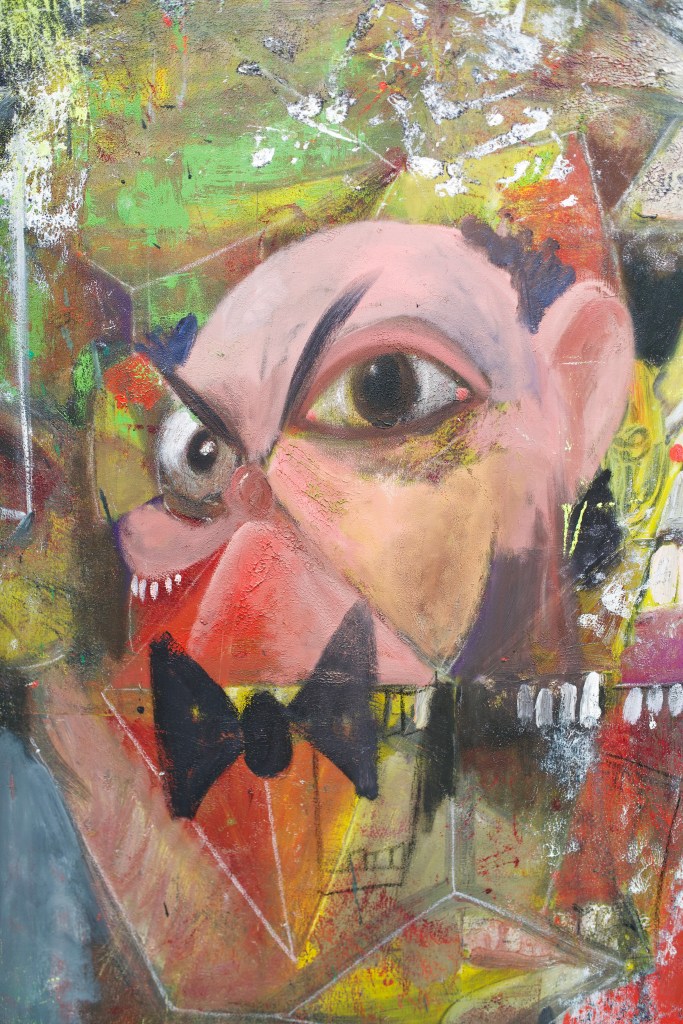

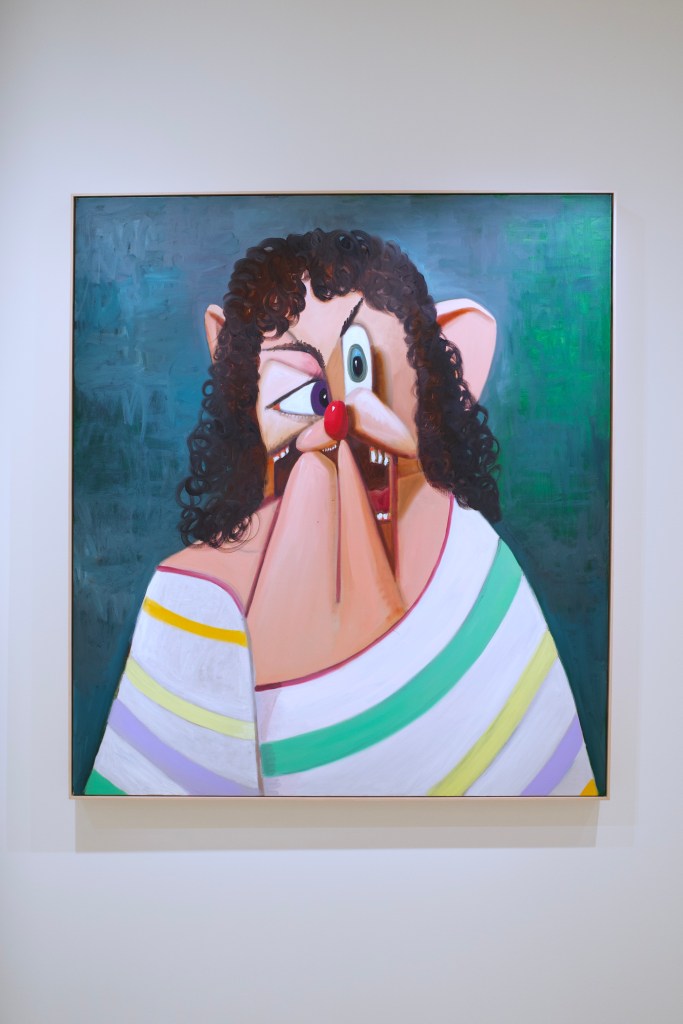
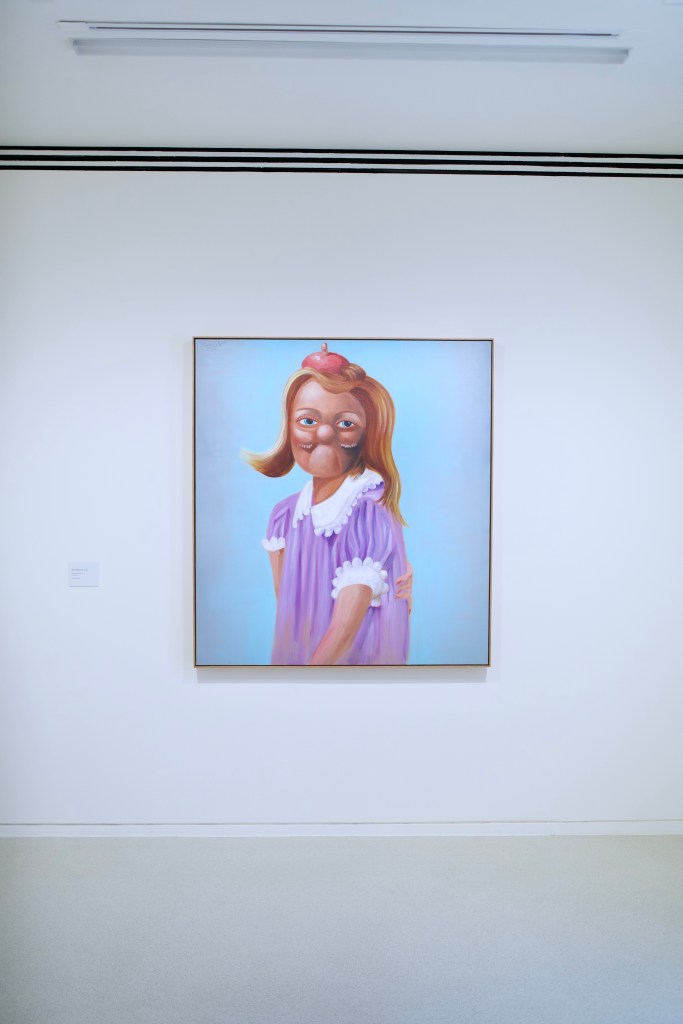
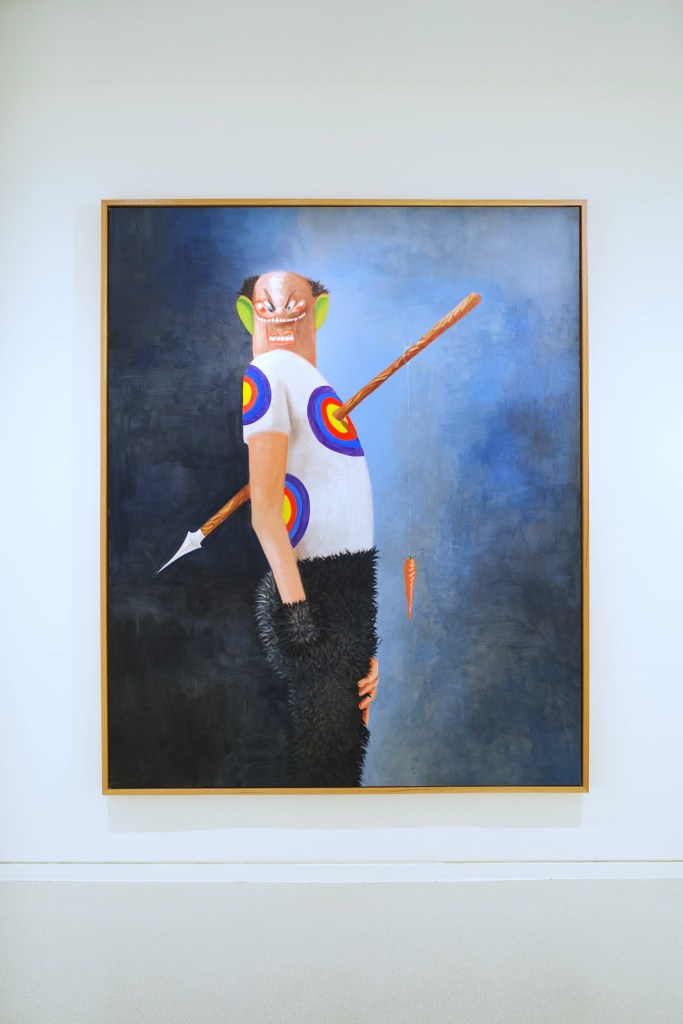
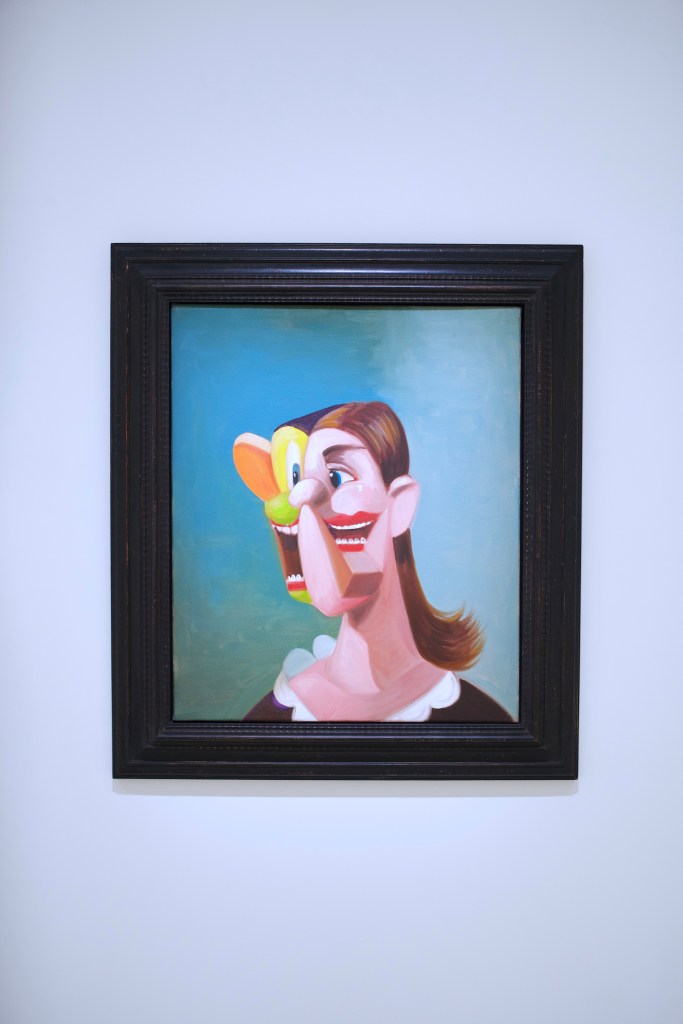
According to Condo, “the Humanoid is not a science fiction monster, it is a form of representation that uses traditional means to bring out the inner emotions onto the surface of a person.” Refering to his work as ‘Artifical Realism’ (to represent what is artificial in a realistic way) or ‘psychological cubism’, his works could be seen as an attempt to bridge the gap between Picasso’s ‘Les Demoiselles d’Avignon’, mid-20th century surrealism (De Chirico, Dalí…) and American abstract expressionism (de Kooning, Rothko…). But as an art history fine connoisseur, Condo also takes inspiration from great masters of the past, including Rembrandt or Goya. The show proposes a journey among all these various inspirations, through a selection of portraits which mainly come from private collections.

Photos credits: @elegantinparis
 Elégances Parisiennes