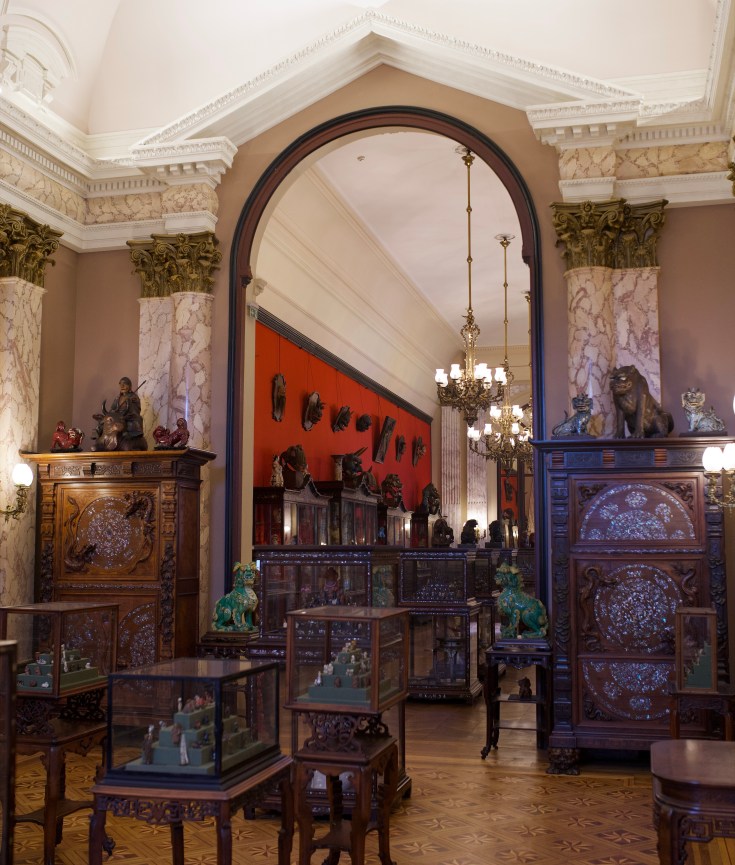

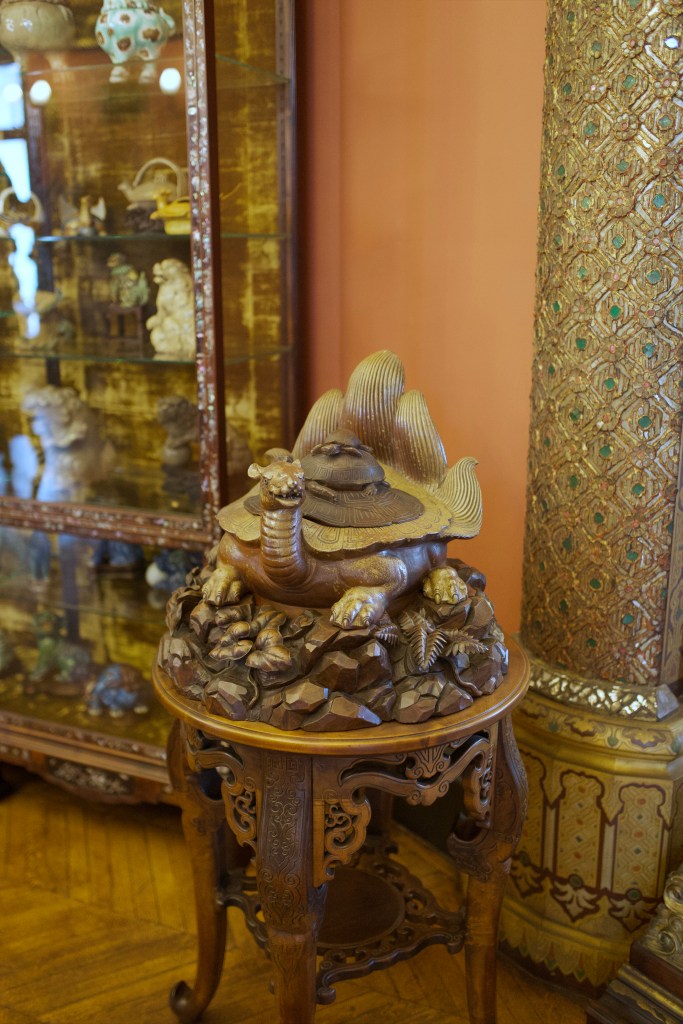
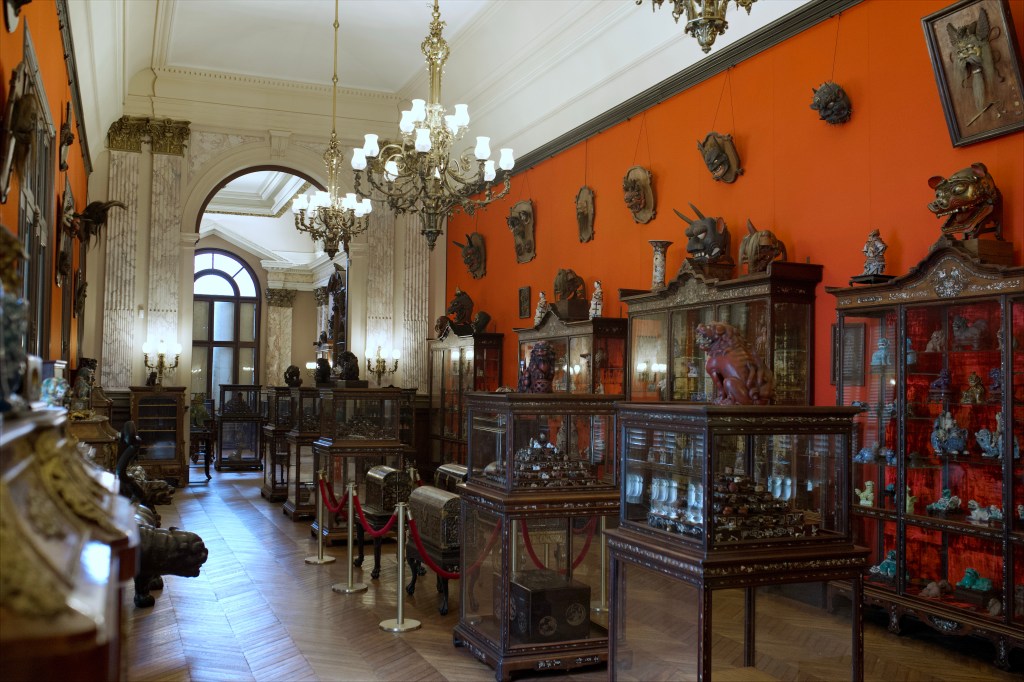
The Musée d’Ennery located in a Belle Époque mansion on the avenue Foch, in the wealthy 16th district, is a Parisian secret gem. With around 7,000 objects from East Asia, the place tells the legacy of Clémence d’Ennery (1822-1898), a French collector who notably owned one of the biggest collection of netsuke of her time. Opened in 1908, the museum stays in the state it was at the end of the 19th century (as requested by Clémence D’Ennery in her will) and alternates opening (during private visits in the weekends) and closure due to regular works.
Clémence Lecarpentier Desgranges d’Ennery
Joséphine Clémence d’Ennery, is born in 1923 in a rentier family, the Lecarpentier, from the lower nobility. She married first Charles François Xavier Desgranges (1815-1880) in 1841, a lawyer and son of the deputy mayor of the 11th arrondissement of Paris. They lived separately from 1844 as her husband went to live in Algeria. In the beginning of the 1840s, she met the playwright Adolphe Philippe (1811-1899) – known as “Dennery”, the family name of his mother, that he slightly modified into “D’Ennery“. Thanks to her relations in the finance and politics, Clémence supported the career of Adolphe. The couple used to organize dinner parties where they invited actors, journalists and critics from the theater world, but also friends like the writers Jules Verne or the Goncourt brothers. At the death of her first husband in 1880, they eventually formalized their union and got married.
The museum
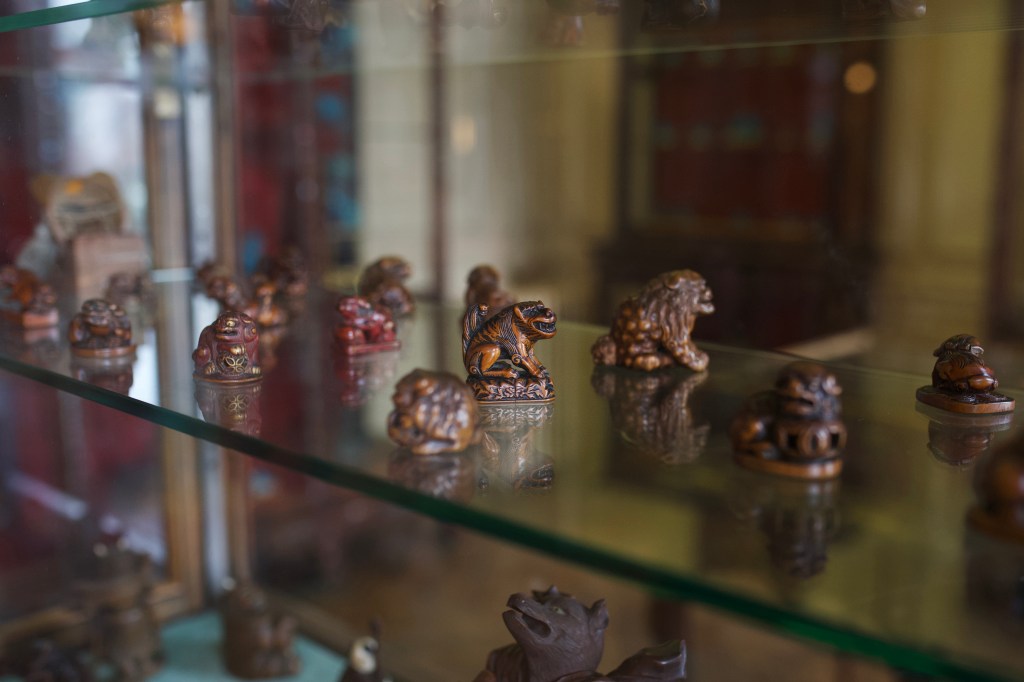
Clémence d’Ennery started her collection buying Chinese chimeras during her teenage years. As her collection grew up, she used to purchase East Asian art objects from about 100 dealers in Paris and in province, during the whole second half of the 19th century. In 1861, she owned around 200 chimeras in jade, porcelain, bronze, and rock stone, receiving private visitors in her appartment, and an exhibition of her collection had been organized at the Hotel Drouot. In 1875, she bought land with her own funds and made built by the architect Pierre-Joseph Olive (1817-1899) the Villa Desgranges that hosts now the museum, on the then fashionable avenue du Bois de Boulogne where the upper-class used to wander before or after a walk to the woods of the Western Paris.
Advised by the statesman Georges Clémenceau (1841-1929), Clémence d’Ennery bequeathed her collection to the Musée Guimet, provided it would be exhibited in a dedicated room named after her. Eventually, she decided to give to the State not only her collection of Asian objects, but also her residence, with the aim of making an independent museum, with a donation to fund its running. Clémence d’Ennery passed away in 1898, but due to legal complications with the heiress of her husband deceased the following year, the museum opened only in 1908 and was curated by Émile Deshayes (1859-1916), a friend of Clémenceau.
Netsuke
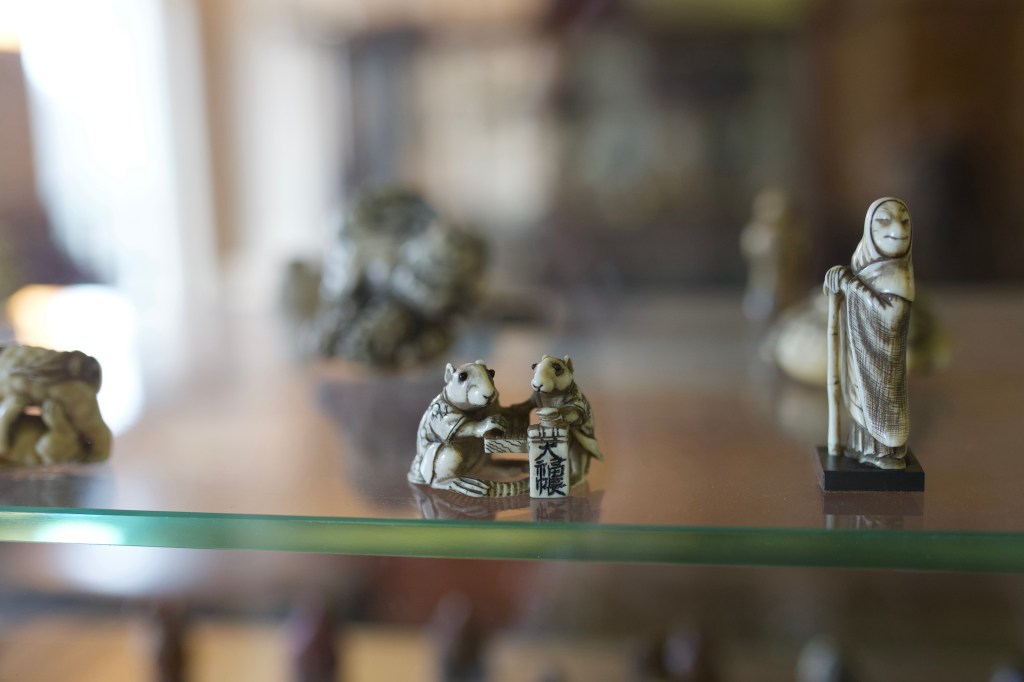
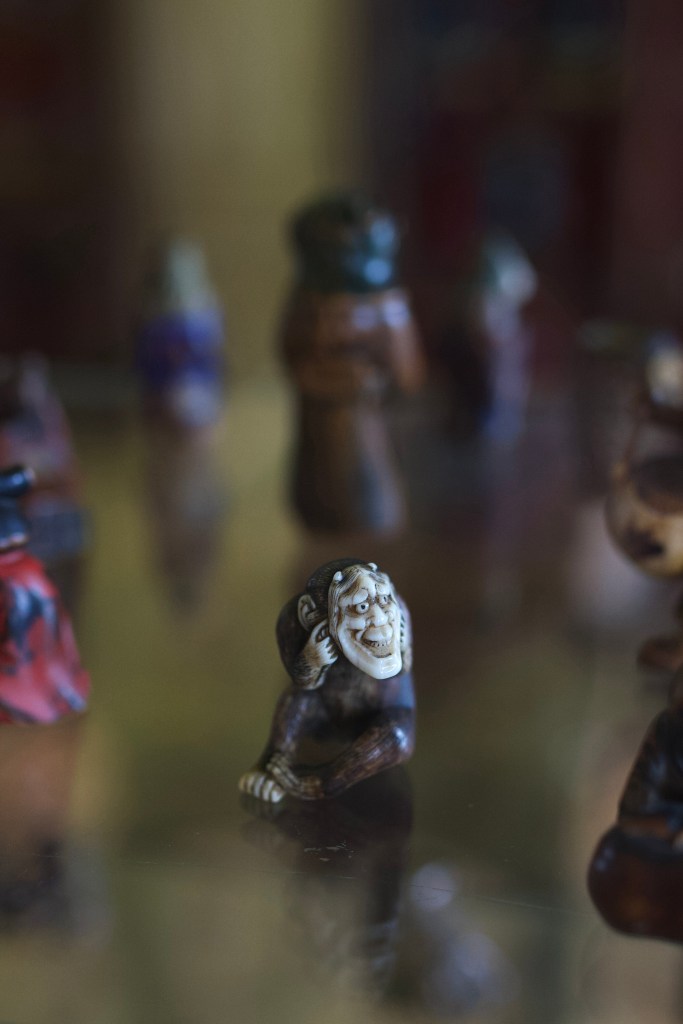
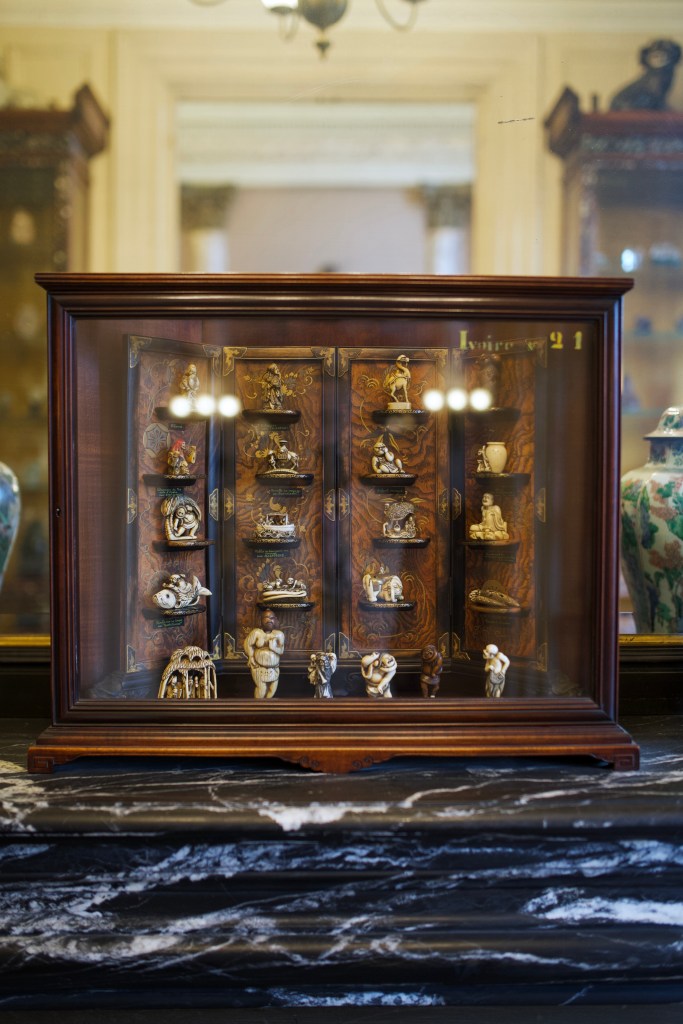
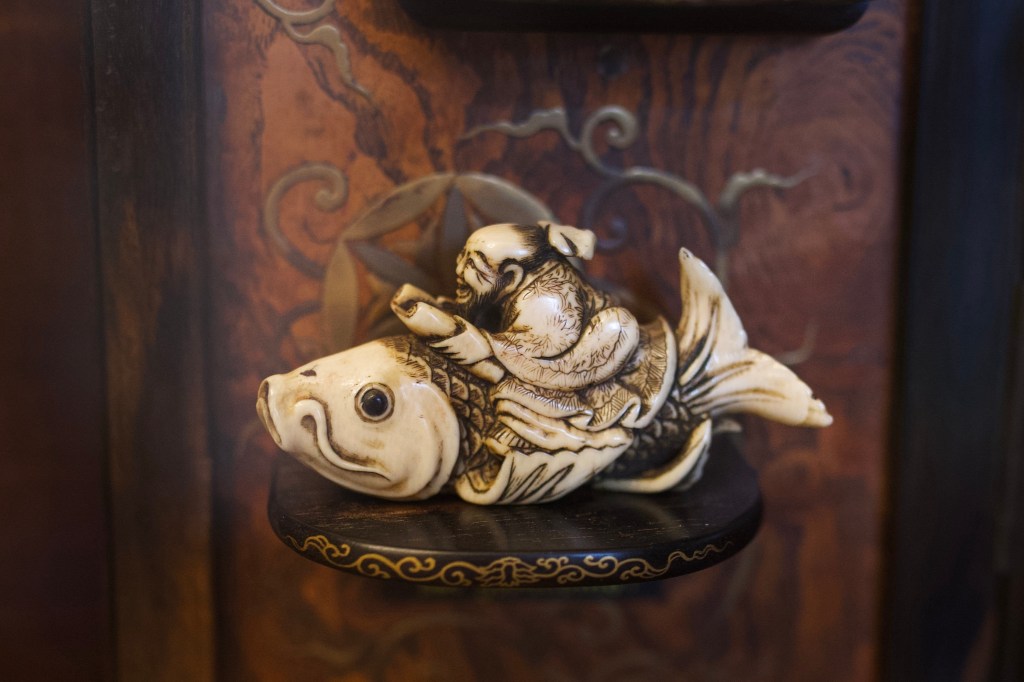
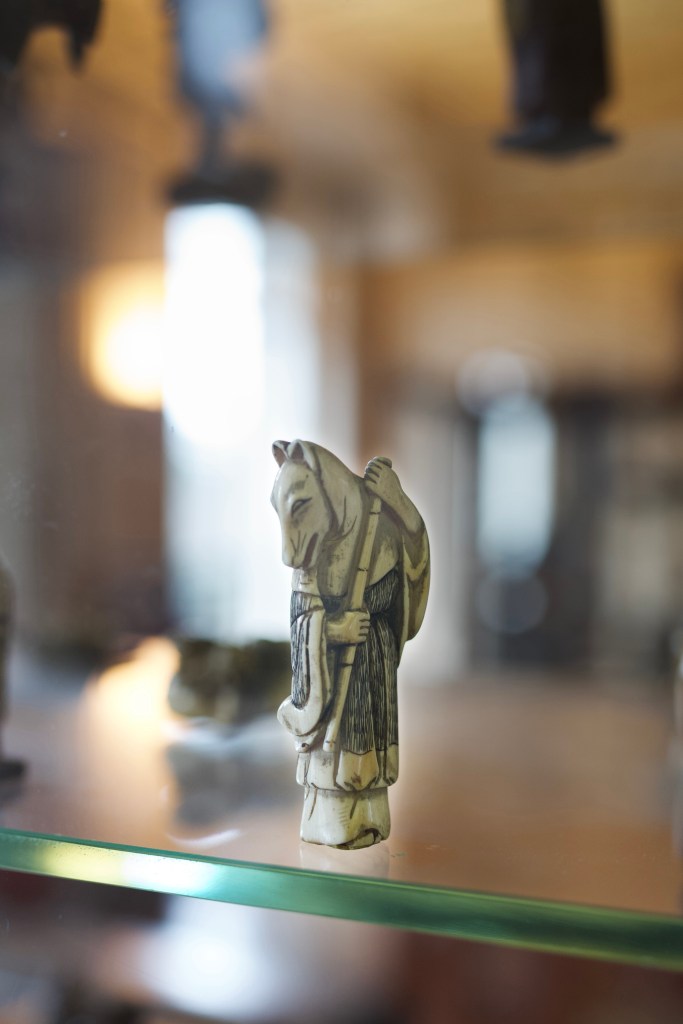
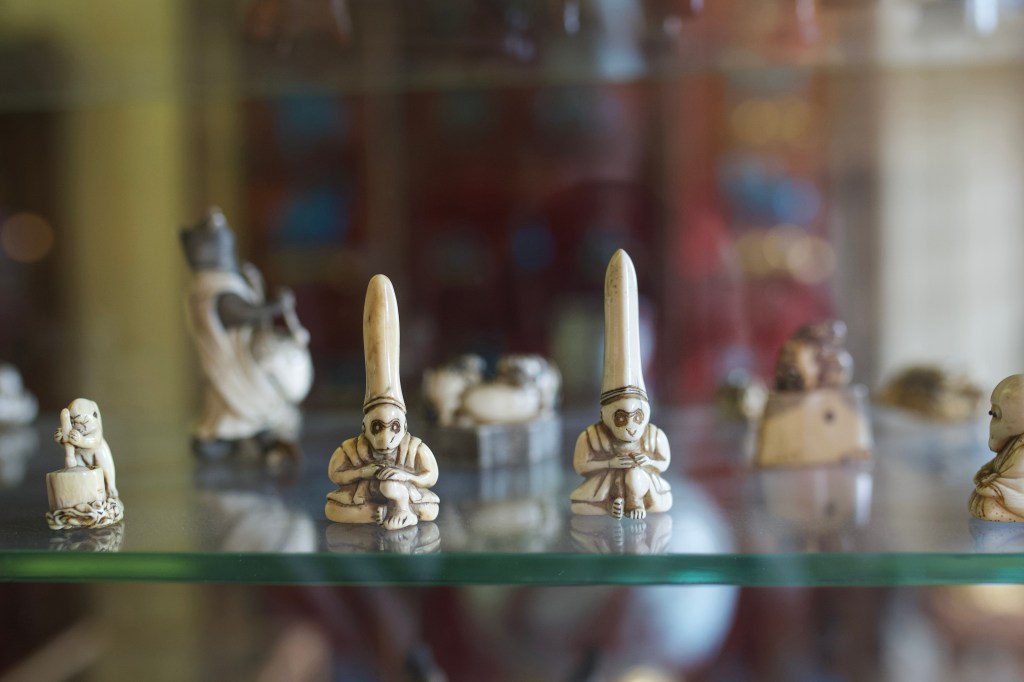
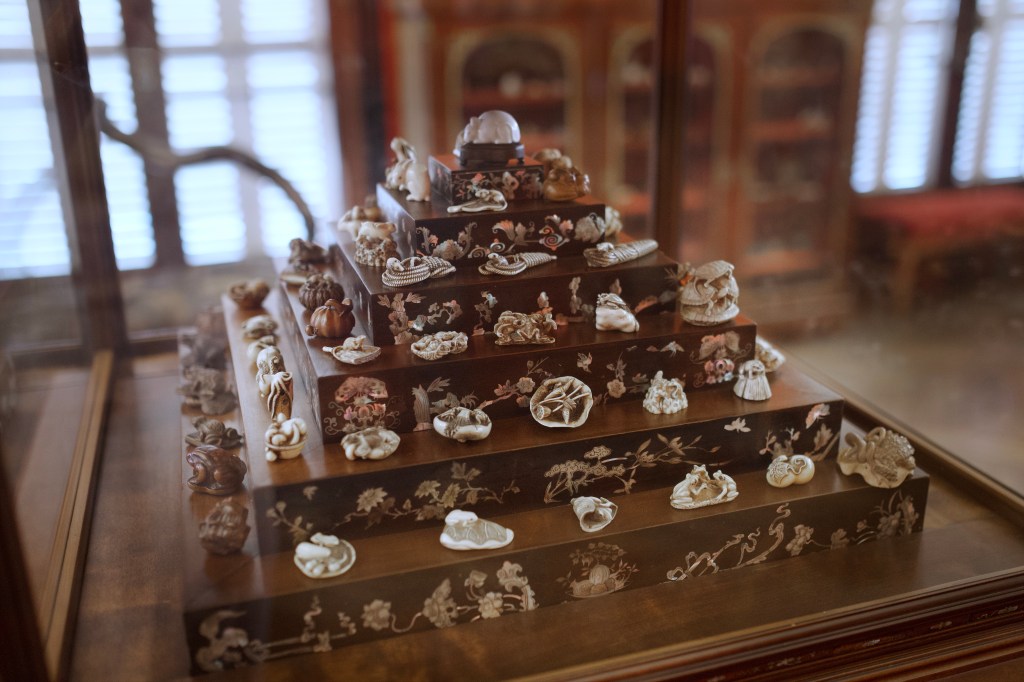
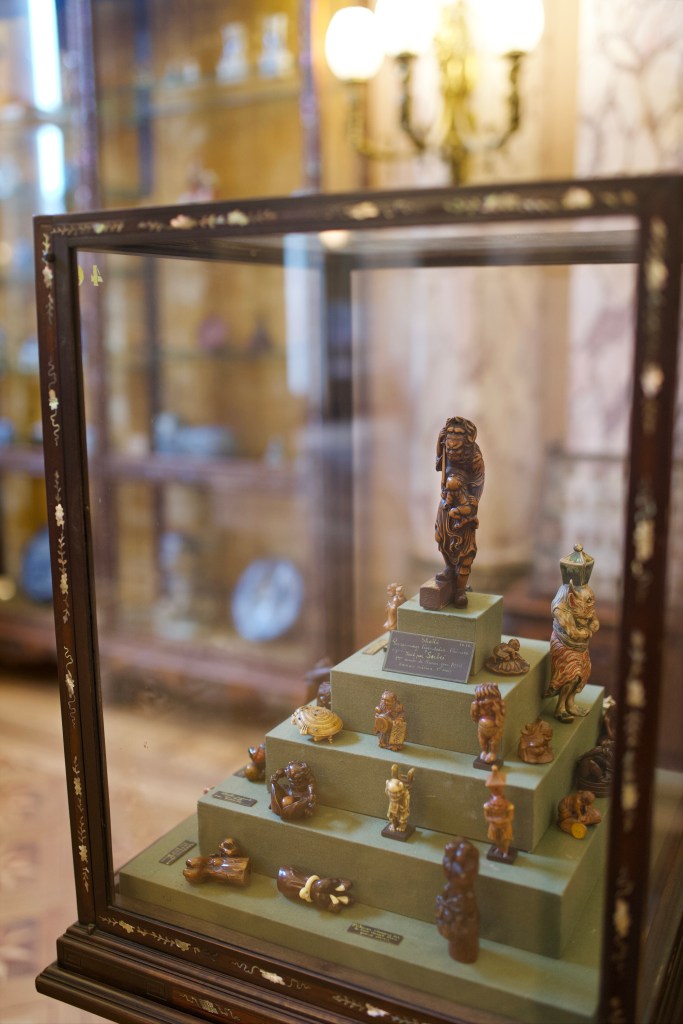
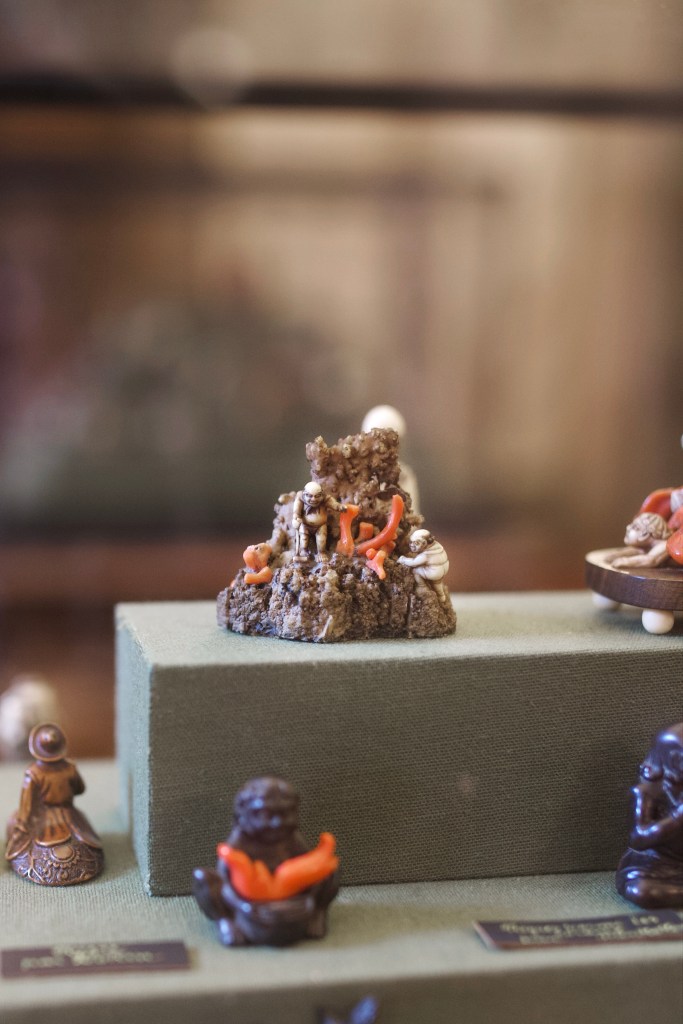
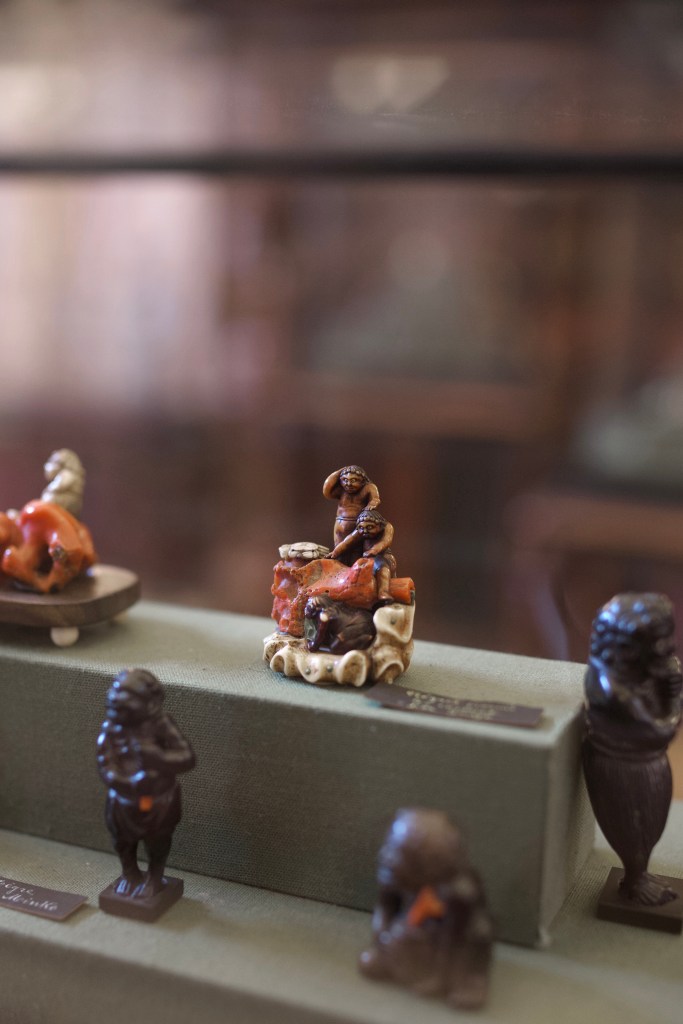
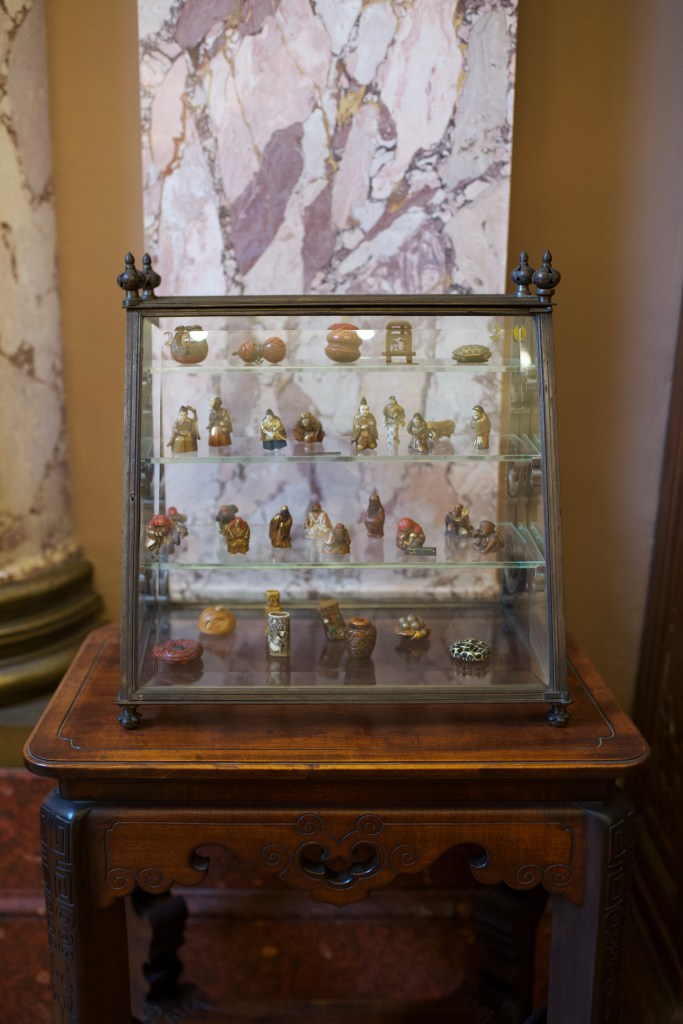
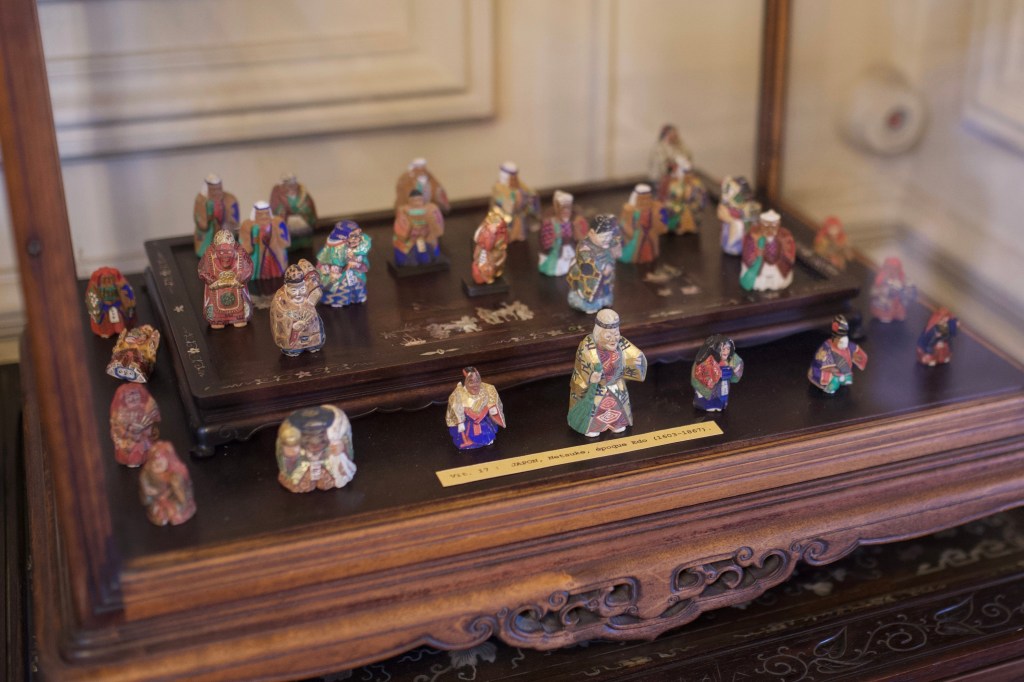
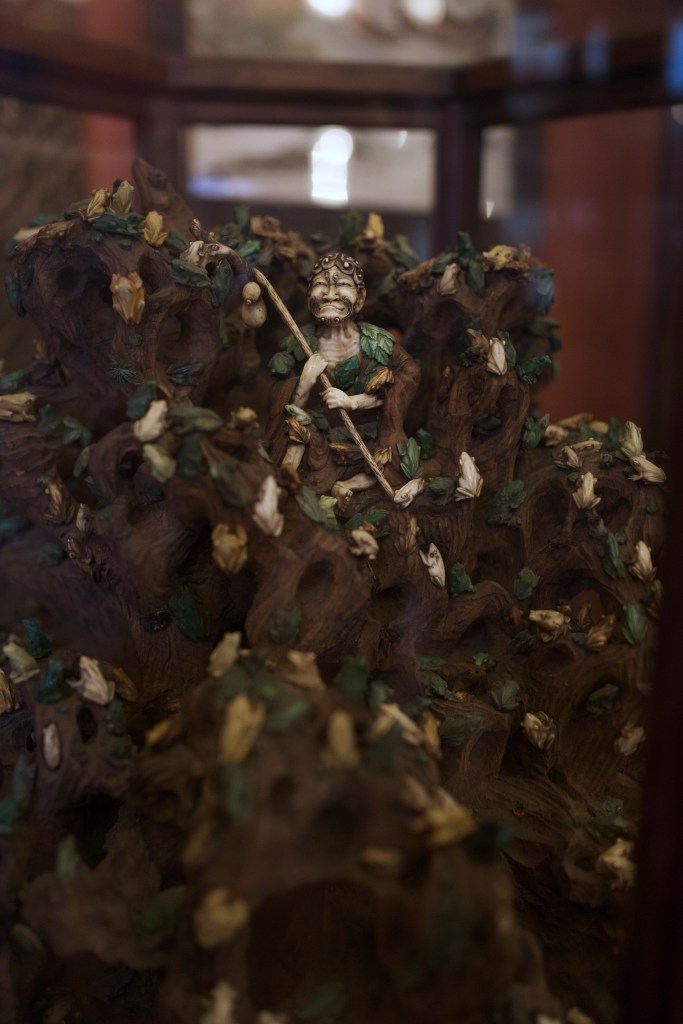
Besides the chimeras, Clémence d’Ennery owned hundreds of netsuke, which is now one of the largest known collection to be exhibited. But, what are the netsuke that she was so passionate about? They are small carvings usually made of ivory, wood or horn used by Japanese men as counterweight to maintain a small compartmentalized box (inro) or any other pouch or container (sagemono) used to transport tobacco, pipes or medicines at their sash (obi). The earlier netsuke are dated from the 17th century. They feature two small holes that permit to pass the cord on which is fastened the inro.
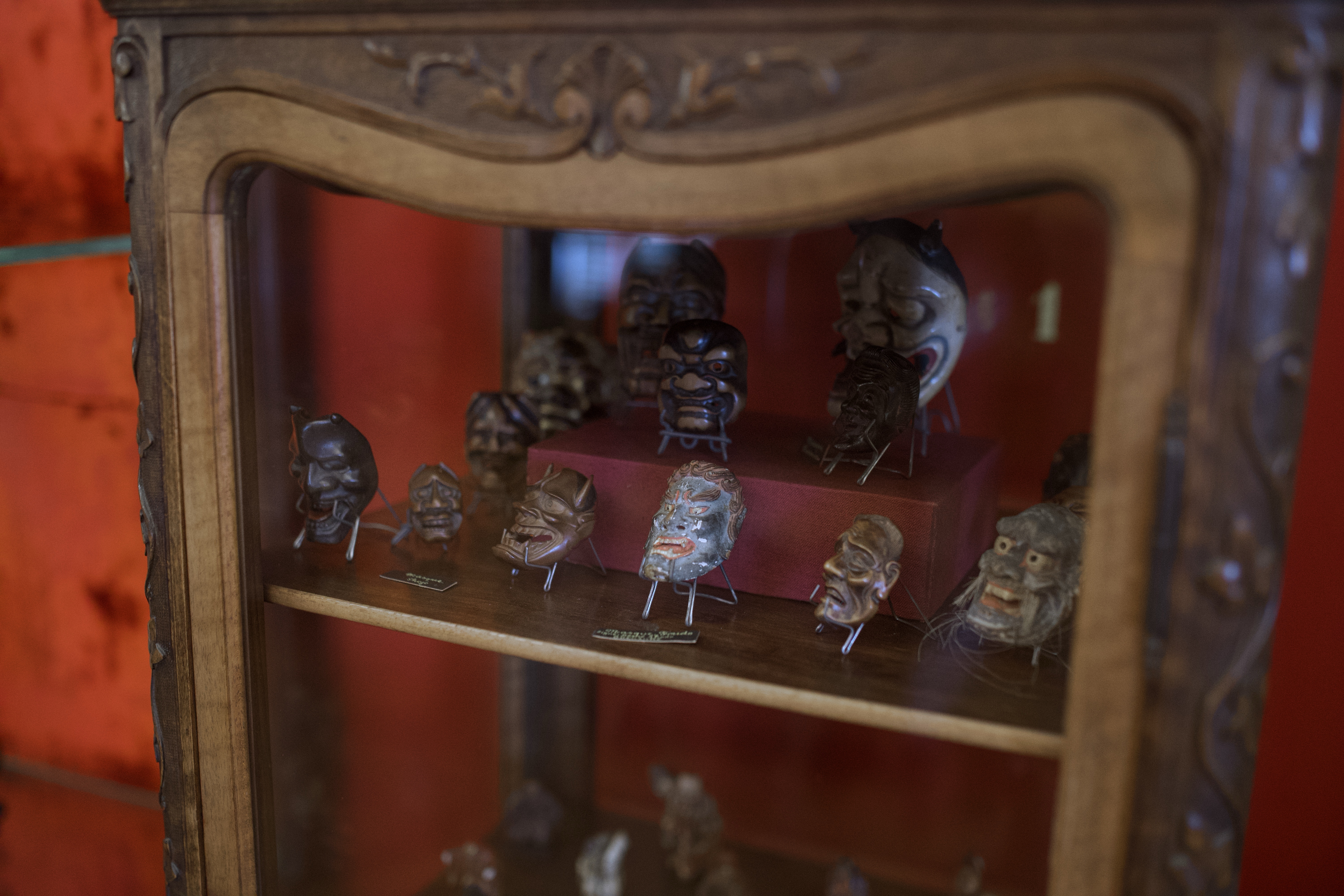
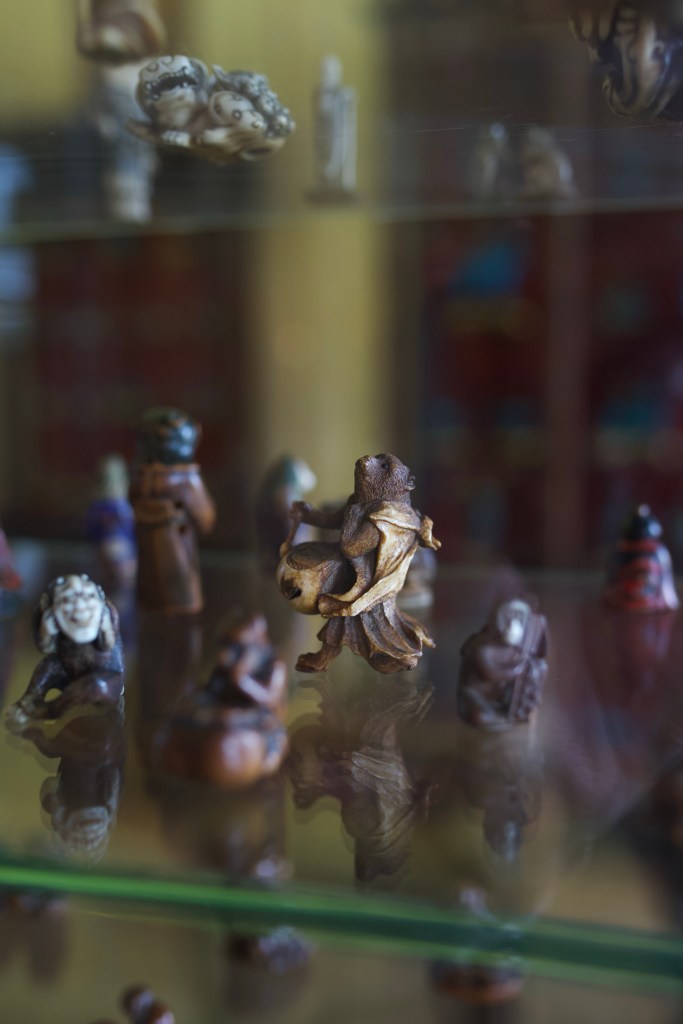
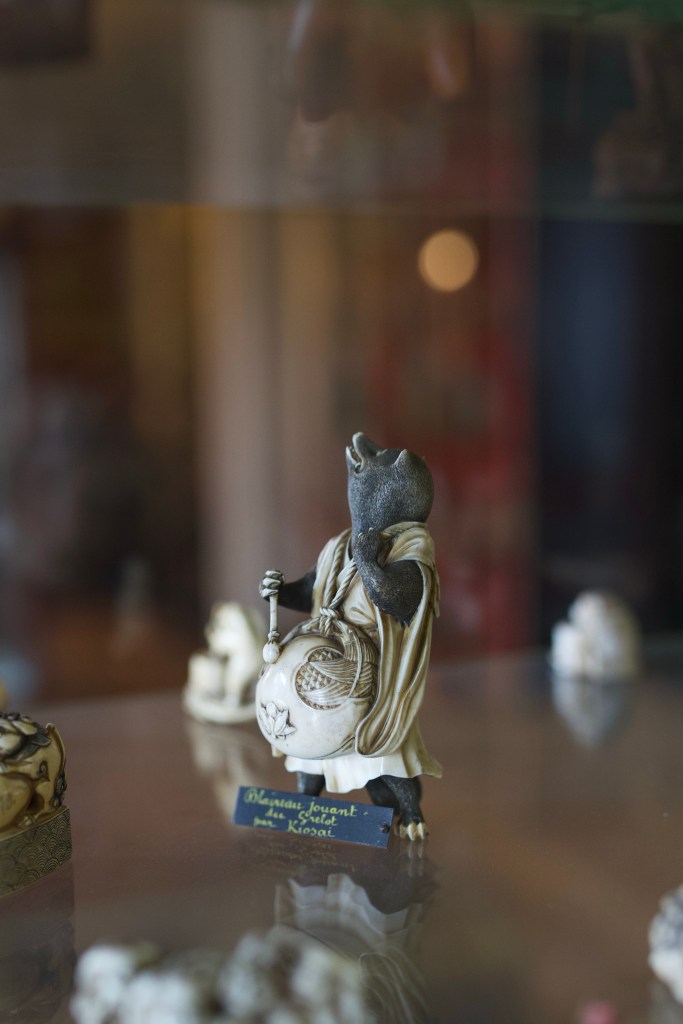
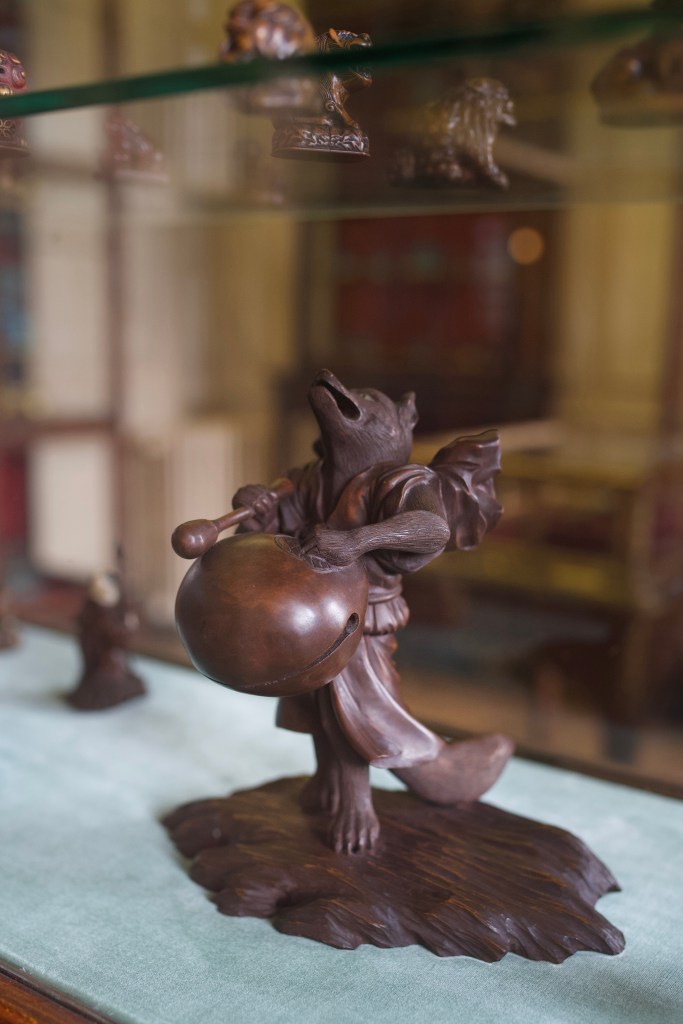
Animals, humans, nō masks, ancient gods or still lifes, netsuke are often linked to the Japanese folklore, depicting legendary events or figures. See for instance the tanuki (Japanese raccoon dog) a little above: in folktales, these tricky yōkai (supernatural beings) used to disguise and play drums on their belly to charm and mislead travellers and hunters.
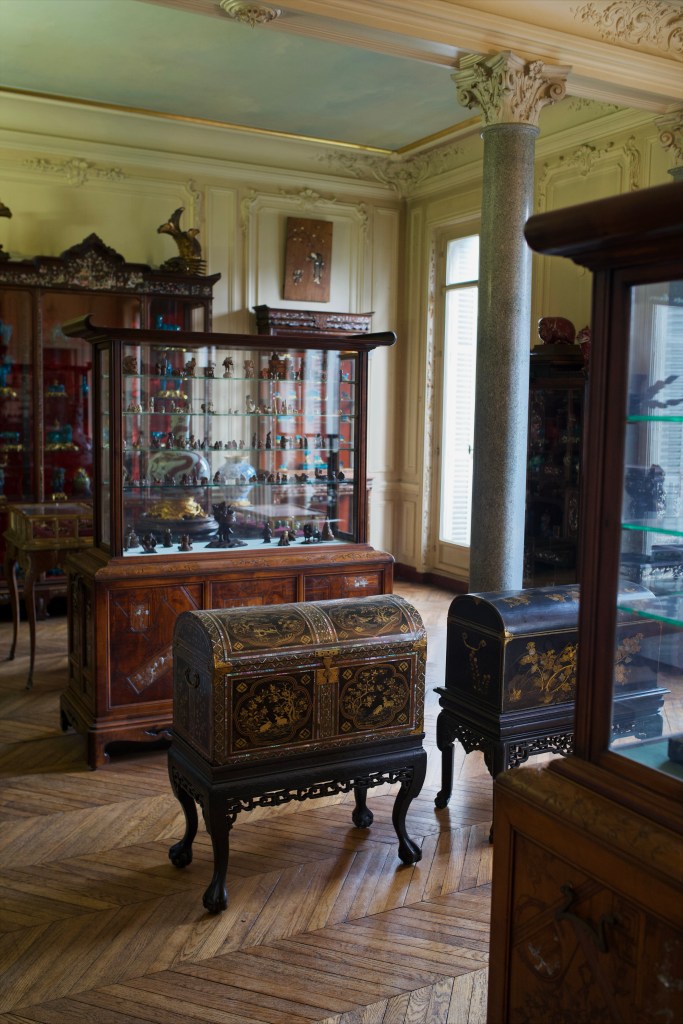
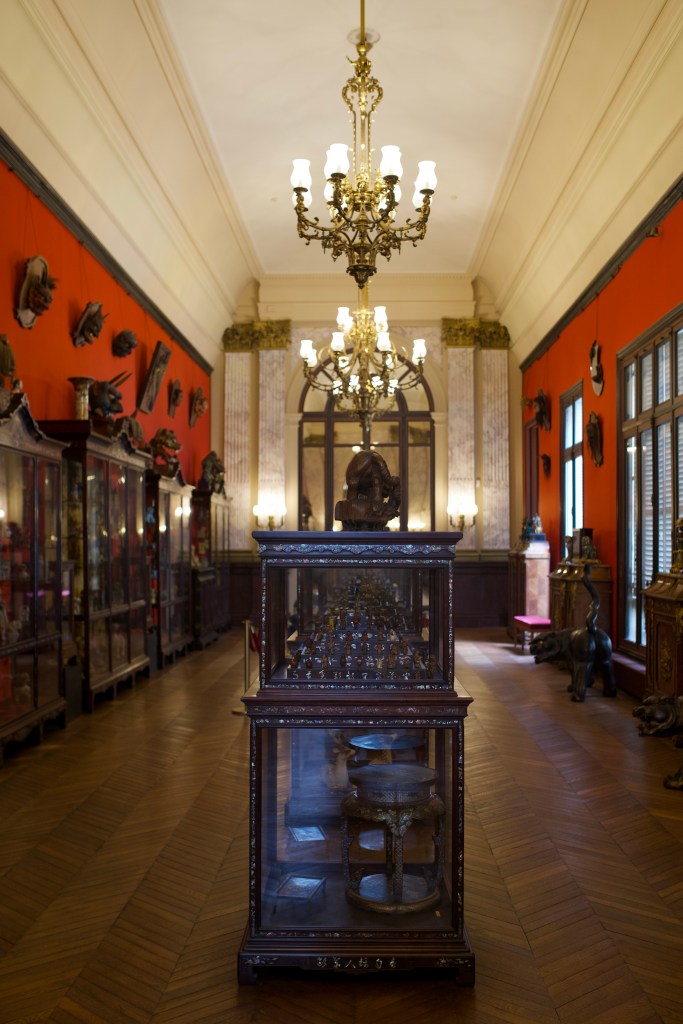
Some netsuke are signed by the artist who have carved them – as mentioned by Émile Deshayes, the first curator of the museum, on small handwritten labels. To enhance the presentation of her collection, Clémence d’Ennery asked the cabinet maker Gabriel Viardot (1830-1904) to create bespoke furniture and showcase, made of noble essences featuring several mother-in-pearl inlays.
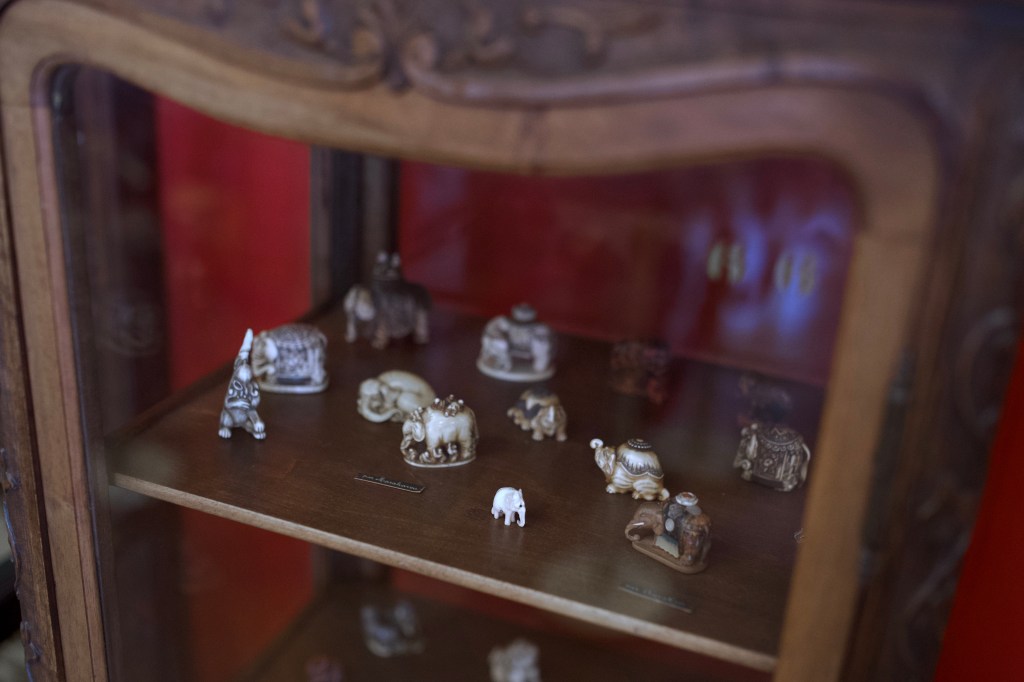
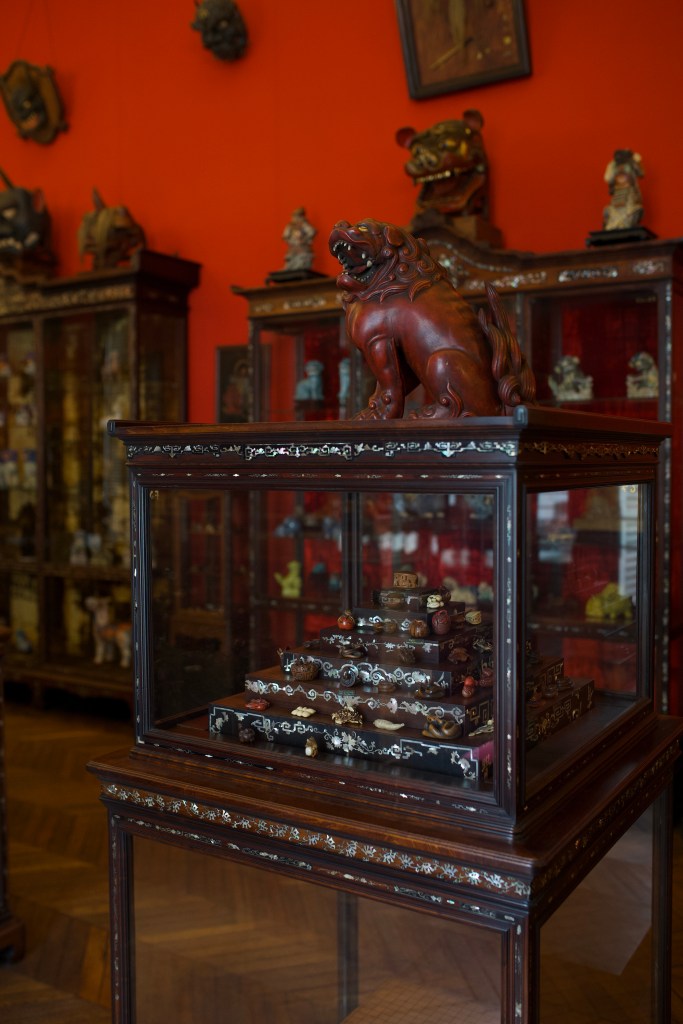
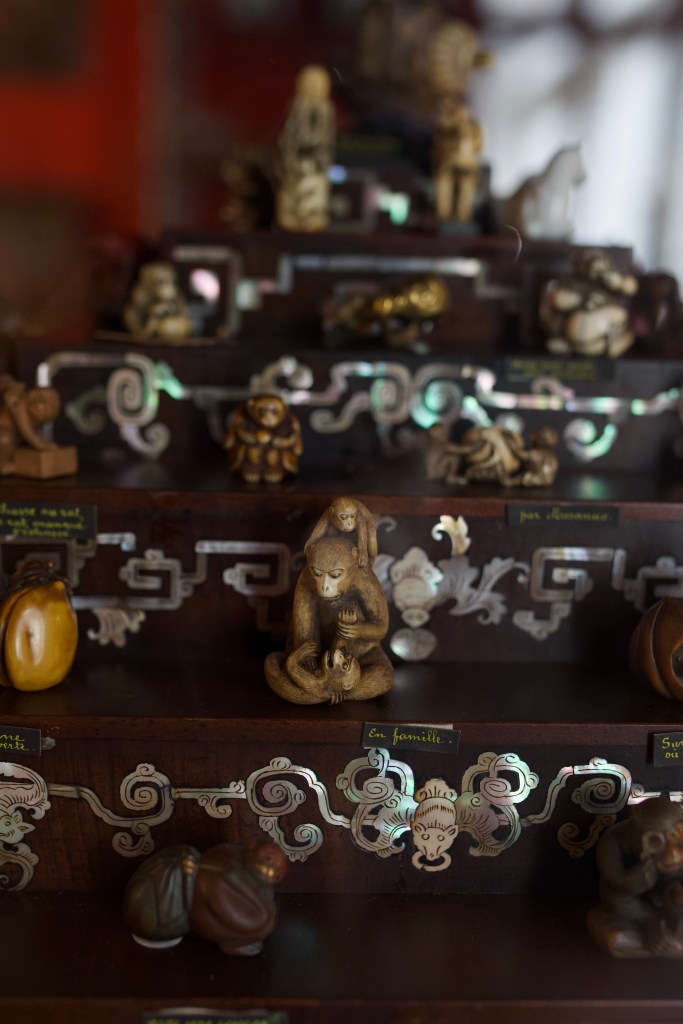
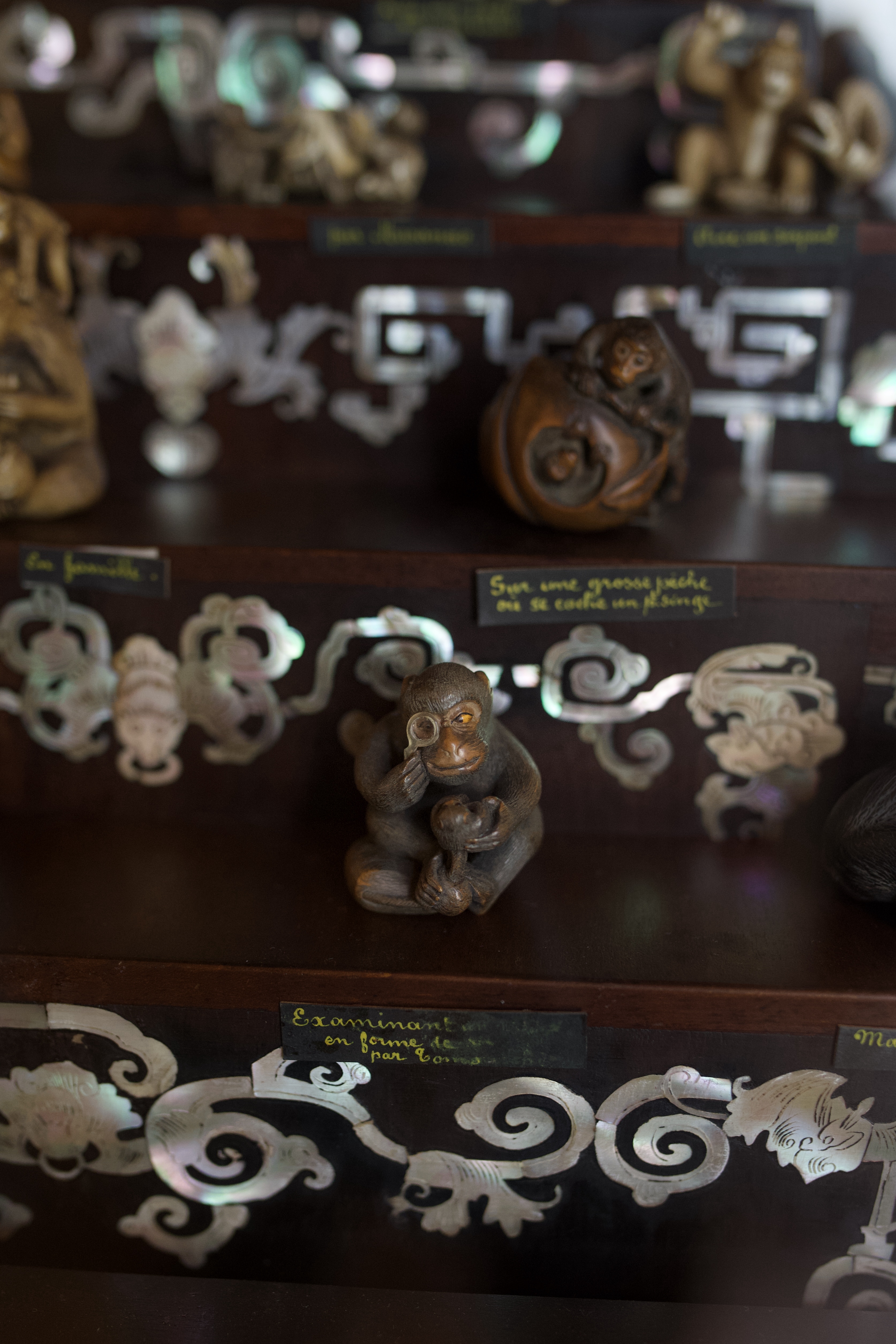
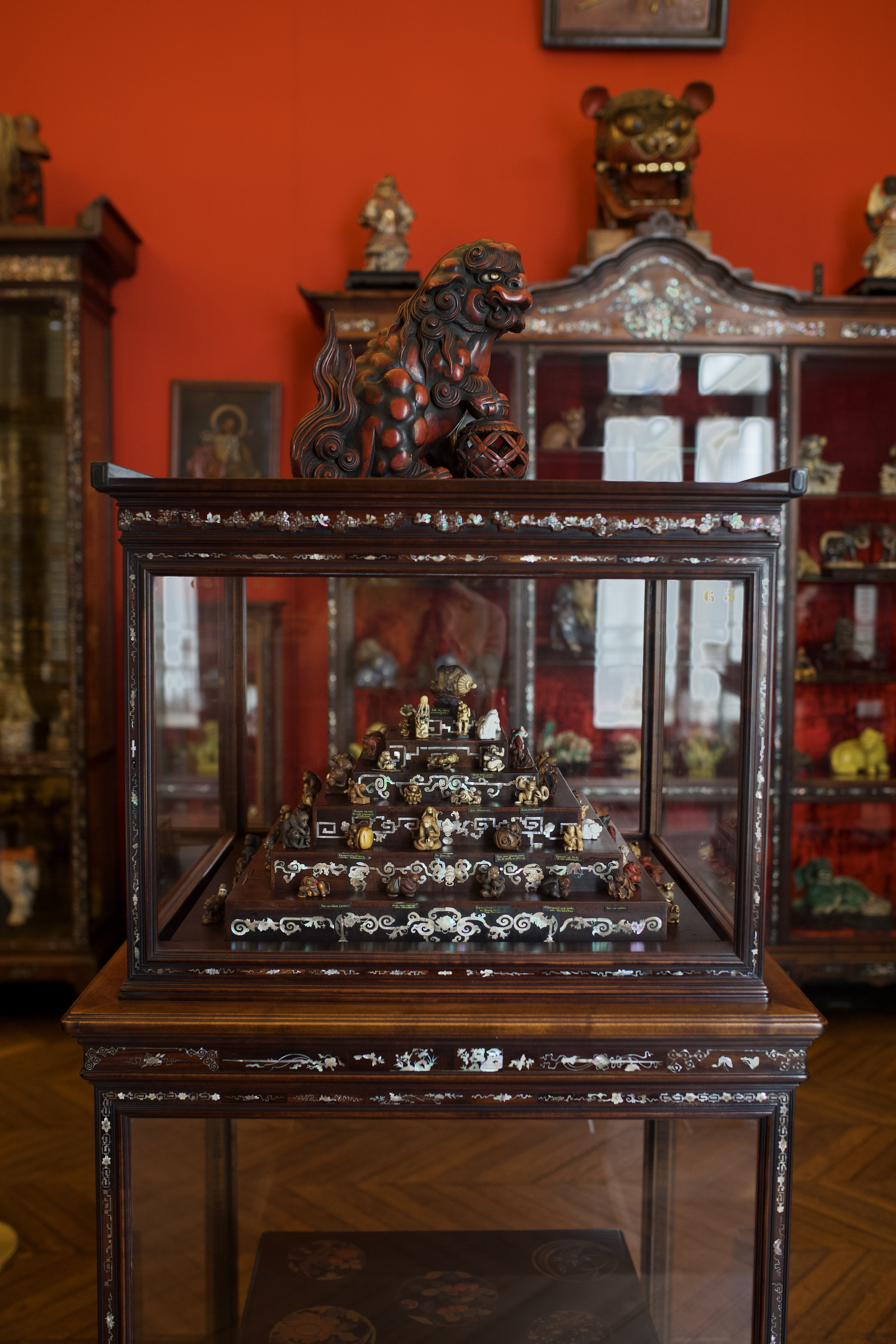
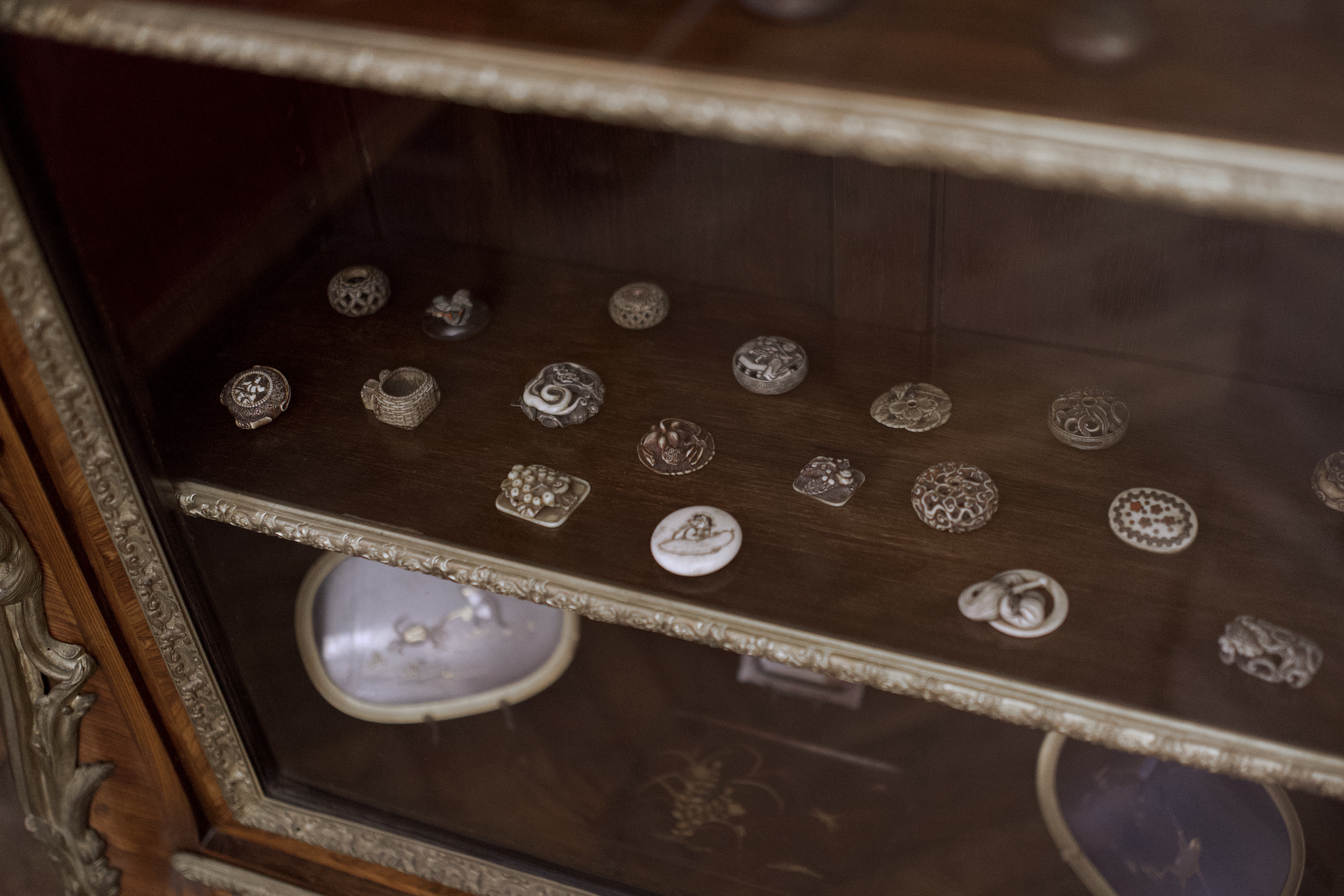
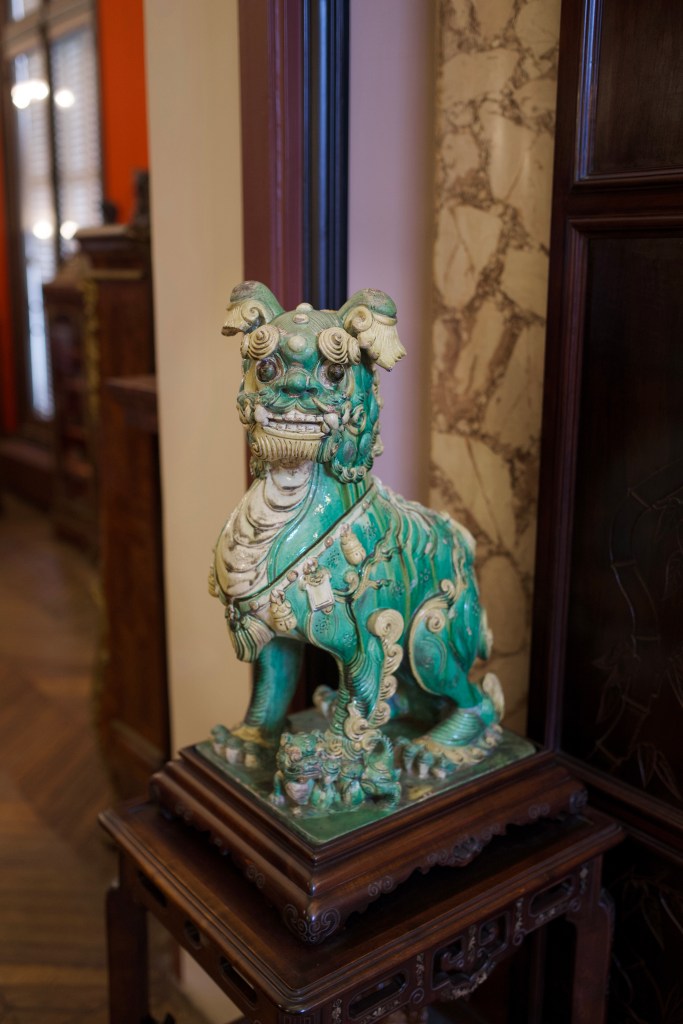
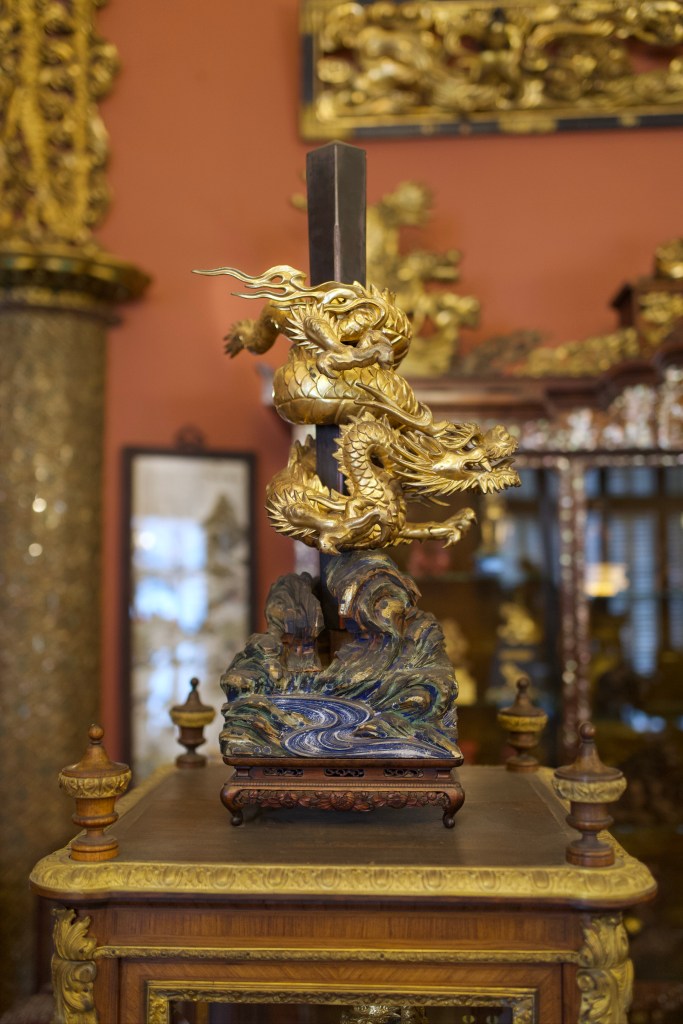
Besides the collection of netsuke, the museum also exhibits a large selection of artworks from China, Japan and Korea including Nō masks, chimeras and shishi (Chinese chimeric lions dogs) or Chinese porcelain vases. The ledgers and letters that Clémence d’Ennery has let give precious insights of how she had built her collection, shopping in Asian art dealers and department stores such as Le Bon Marché or the Grands Magasins du Louvre. Therefore, the place testifies of the trade of East Asia objects in Western Europe and of the Japonisme trend in the second half of 19th century.
Sources, mainly the well documented articles from “The Collection of Clémence d’Ennery” project directed by Elizabeth Emery:
- Website of the Musée d’Ennery,
- The Musée d’Ennery: Visualizing 19th century Parisian networks for the circulation of East Asian art and Biographical article of Clémence d’Ennery – essays written by Elizabeth Emery for the ‘Connoisseurs, collectors and dealers of Asian art in France 1700-1939‘ program organized by the Institut National d’Histoire de l’Art in 2022,
- Overview of the Clémence d’Ennery’s ledgers, by Elizabeth Emery, 2022
Photos credits: @elegantinparis
 Elégances Parisiennes