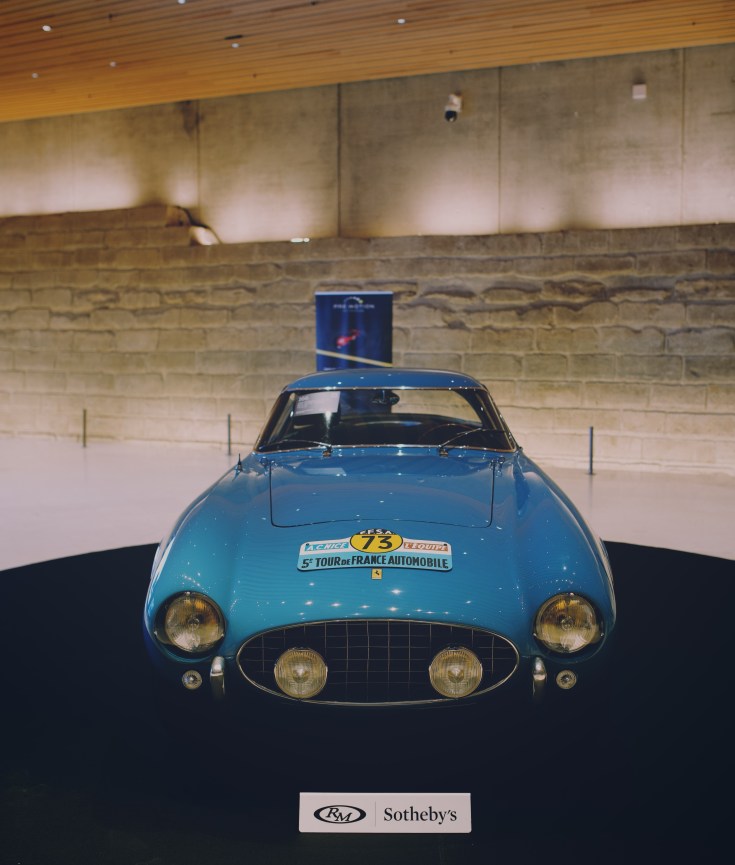

A couple of weeks ago, Rétromobile, the classic car show that brings together thousands of enthusiasts, dealers and brands in Paris, came to a close. From January 28 to February 1, 2026, more than 180,000 visitors – a record attendance – flocked to Porte de Versailles, to celebrate the event’s 50th anniversary.
Earlier in the week, the RM Sotheby’s car auction took place at the Carrousel du Louvre. While a number of modern super/hypercars drew most of the attention among the visitors-featuring a Ferrari F50, a Bugatti Bolide, and a Lamborghini Murciélago-I focused instead on several Ferraris from the 1950s and ’60s, a symbol of refined elegance. I’ll round off this selection with cars from the Maranello marque of the same era, spotted at Rétromobile—including several winners of the 24 Hours of Le Mans.
La dolce raffinatezza
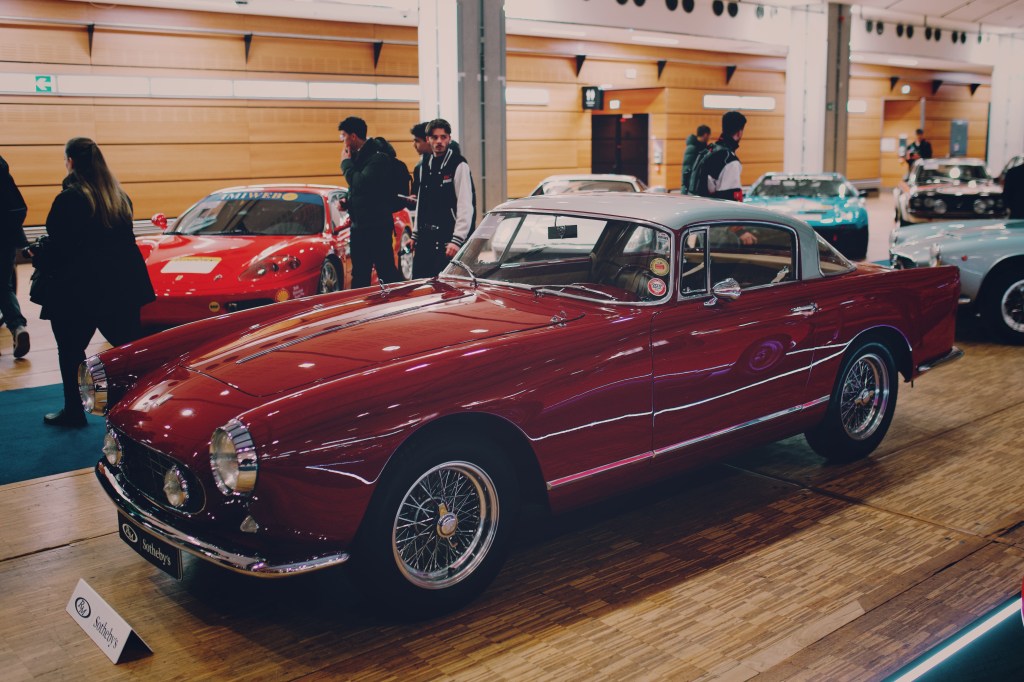
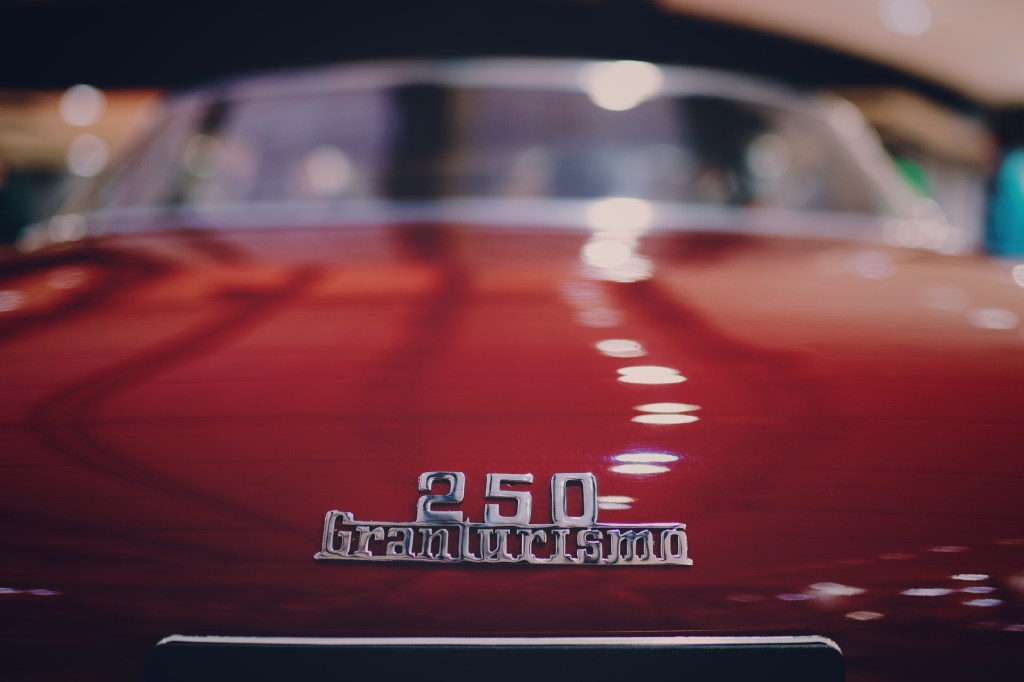
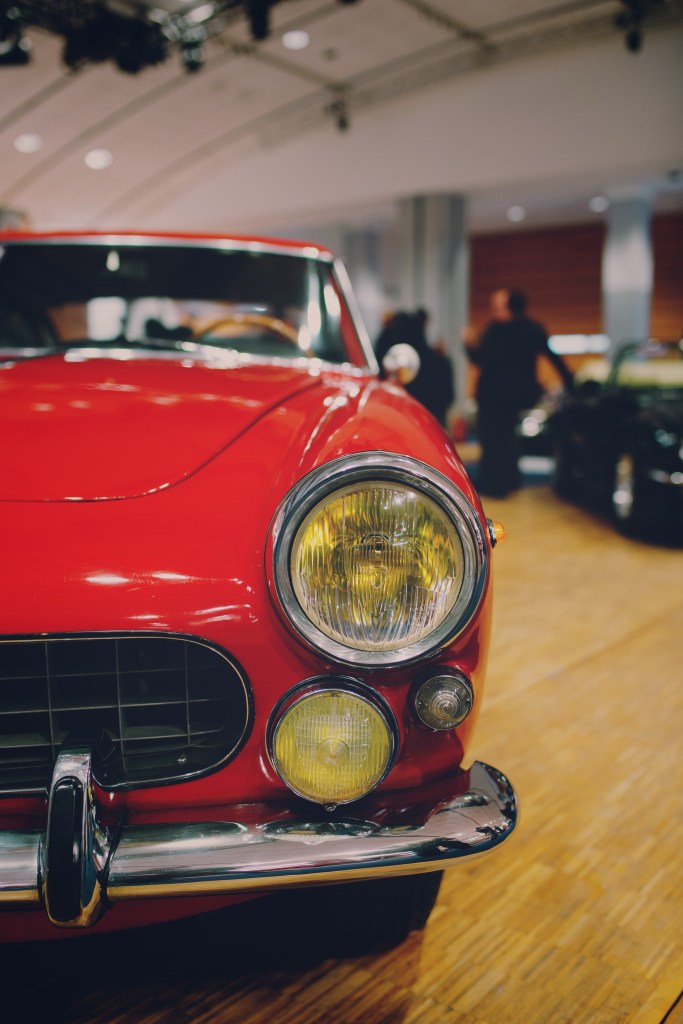
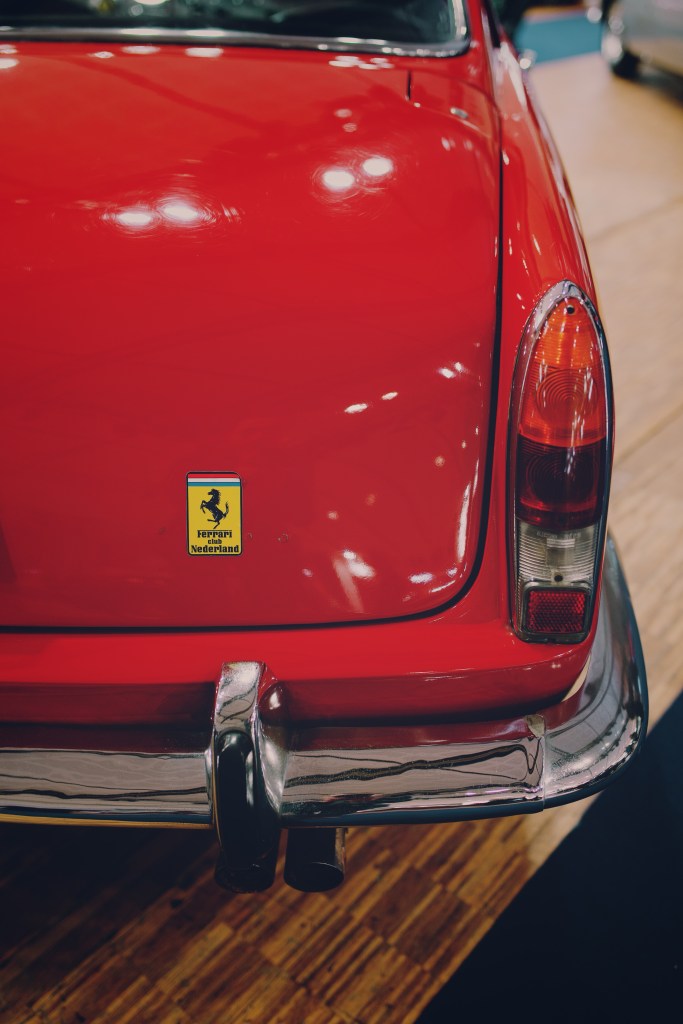
Let’s begin this tour with a 1957 250 GT Coupé Boano, delivered new to Belgium. Conceived as a grand tourer with racing DNA, it was among the first models born of the collaboration between Enzo Ferrari and Battista “Pinin” Farina, who entrusted the bodywork design to his former stylist, Mario Boano. After competing in several Belgian hillclimbs in its early years, the car was exported to the United States before returning to Europe, where it has taken part in the Mille Miglia several times since 2008.
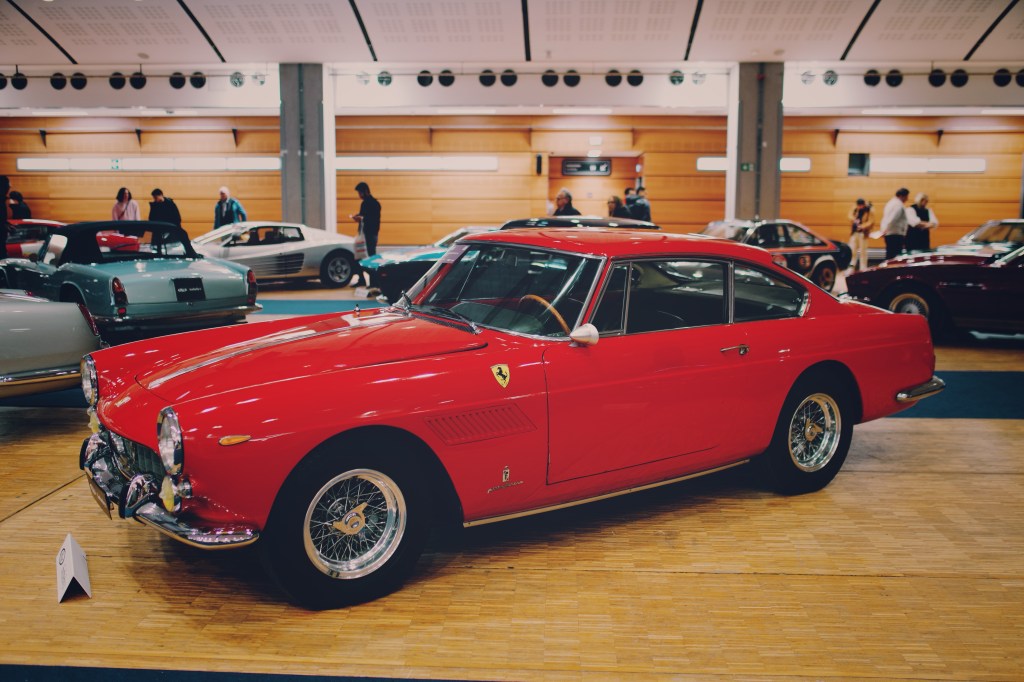
John Hugenholtz (1914-1995) was a Dutch racetrack designer who served as the first track director of the Zandvoort circuit in the Netherlands, from 1949 to 1974. A devoted Ferrari enthusiast, he acquired in 1975 the refined 250 GTE 2+2 Series III below, which had left the Maranello factory in 1963. The 250 GTE Series was the first Ferrari to offer four proper seats—earlier 1950s models only had cramped rear seating—aimed at attracting new clients eager to drive with their families.
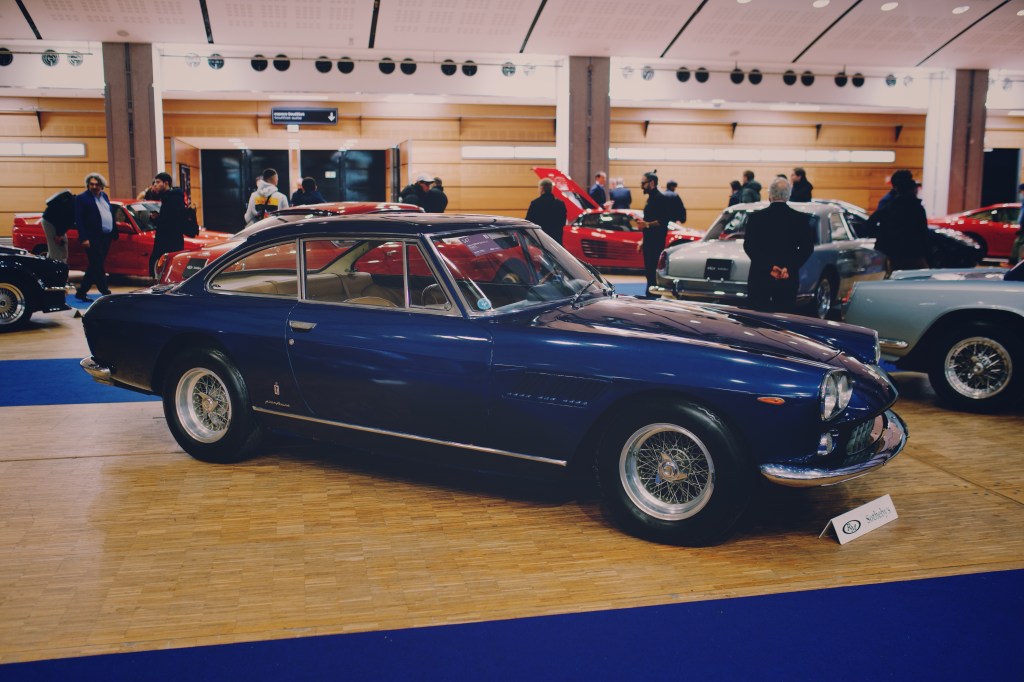
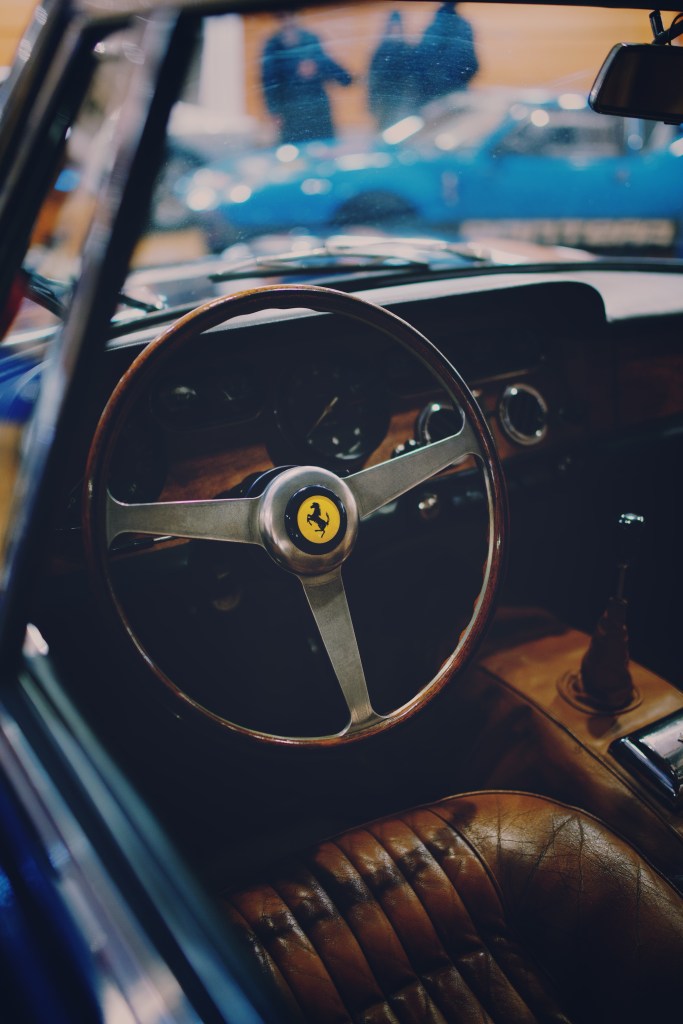
With around 1,000 examples built and styled by Pininfarina, the 330 GT 2+2 replaced the 250 GTE 2+2 in 1964, whose final series was known as the 330 America. The first-series example offered at RM Sotheby’s was finished in a rakish dark blue with a beige leather interior and came from the collection of Marcel Petitjean, a prominent French Ferrari collector.
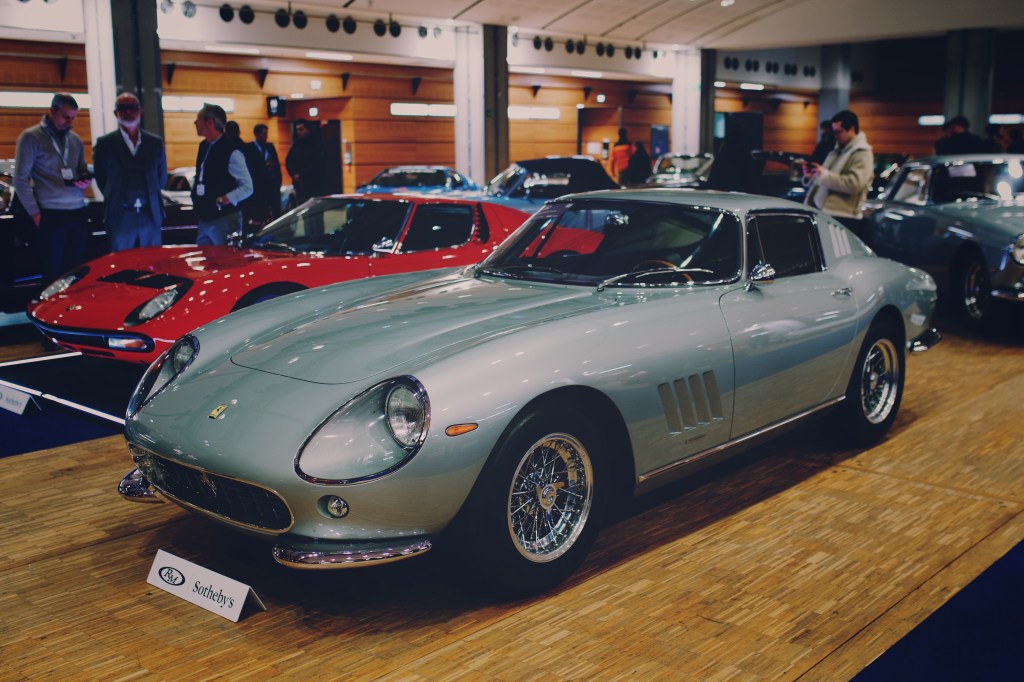
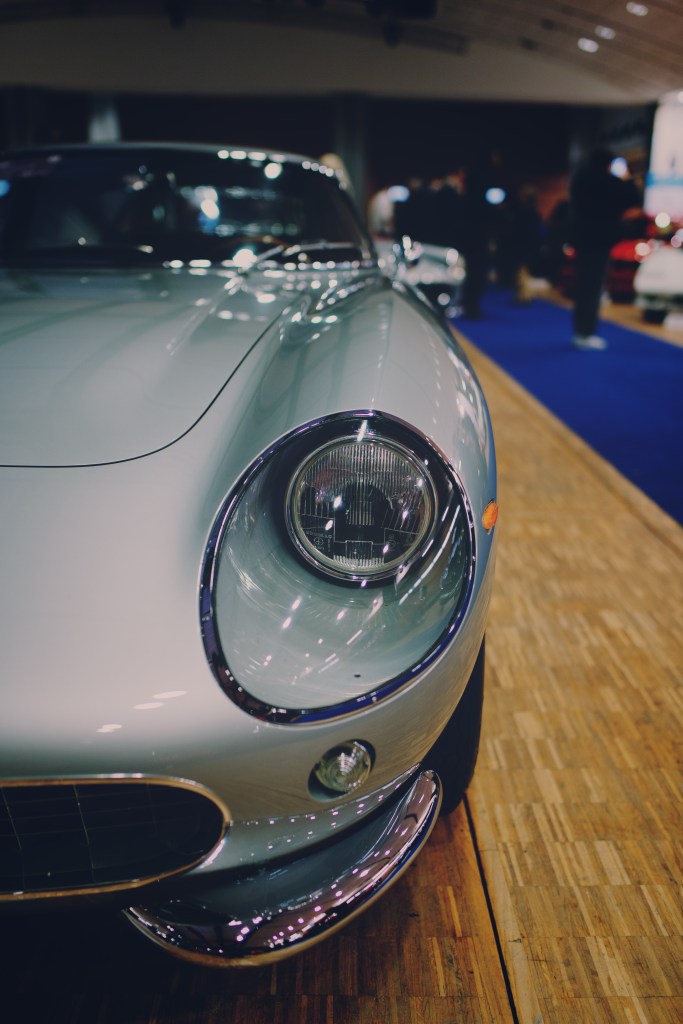
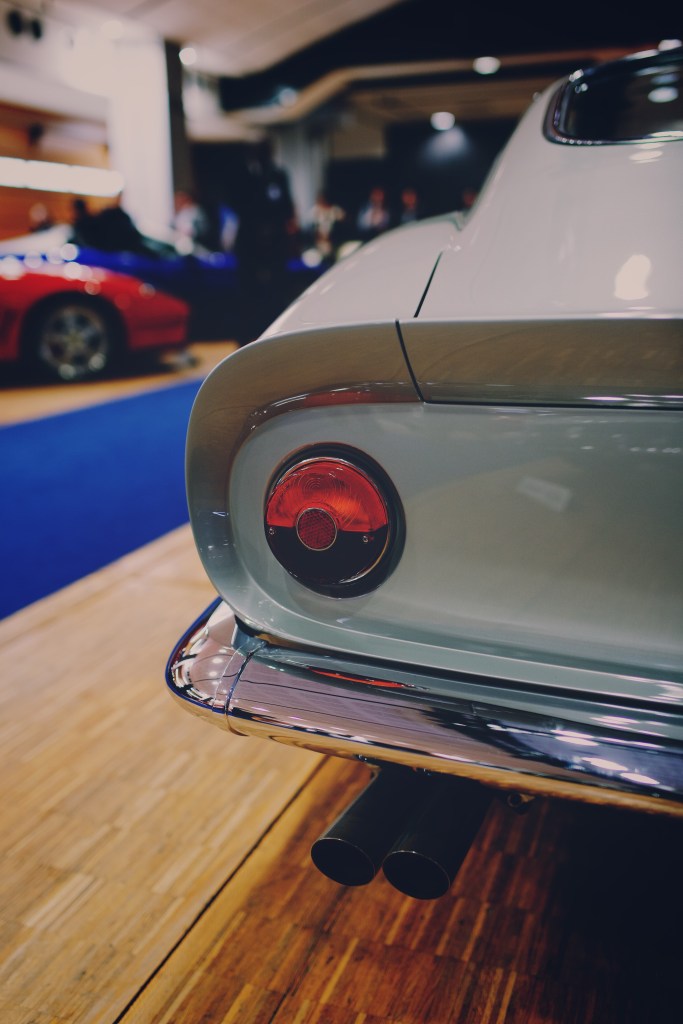
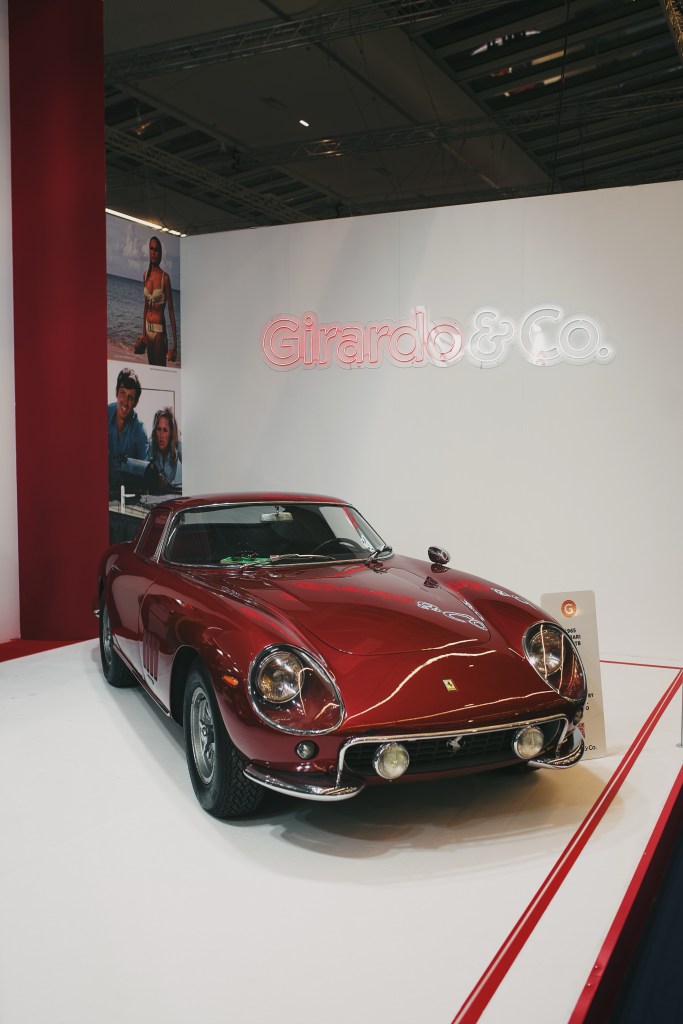
Introduced in 1964 as the successor to the highly sought-after 250 GT series, the 275 grand tourer, bodied by Scaglietti, was the first Ferrari to feature fully independent four-wheel suspension. While RM Sotheby’s listed an example in elegant light grey, another—formerly owned by the late Jean‑Paul Belmondo—was showcased at Rétromobile by British dealer Max Girardo. Accompanied by his then partner, Ursula Andress, the French actor took delivery of it in 1965, drawing a crowd at the local Ferrari importer near Paris. It is said that the James Bond girl was unhappy with the originally ordered silver-grey finish, prompting Belmondo to have the berlinetta repainted in Rosso Rubino, the color it still wears today.
Velocità elegante
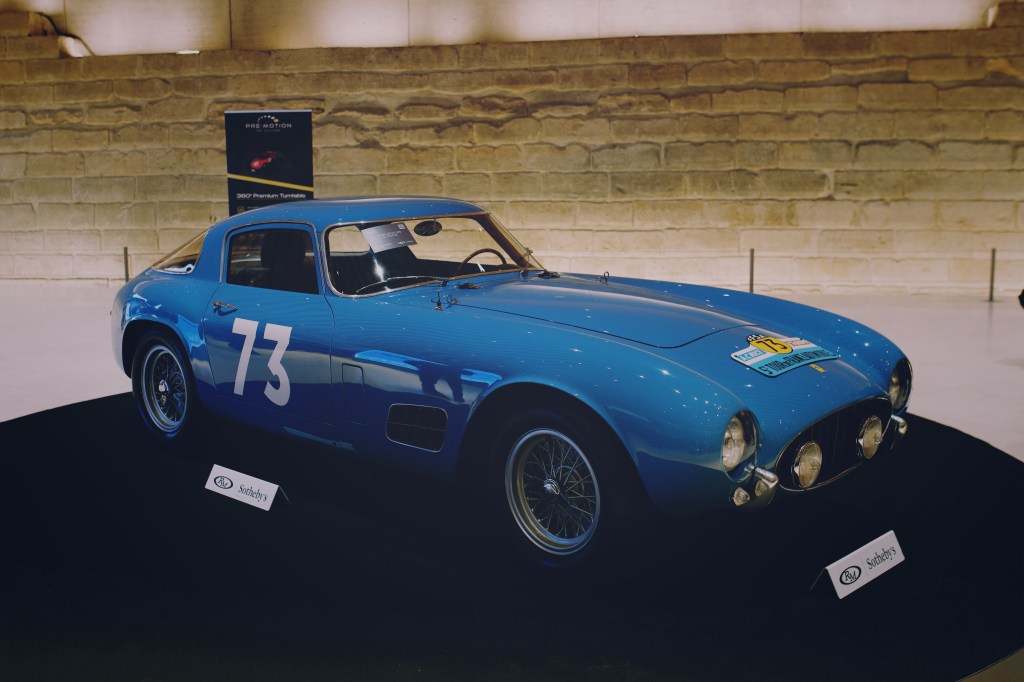
Derived from the road-going model and developed for GT competition, the 250 GT Berlinetta was produced between 1956 and 1959. The bodywork was designed by Pinin Farina and built in aluminium by Scaglietti. The earliest versions were slightly longer and were designated LWB, for ‘long wheelbase’.
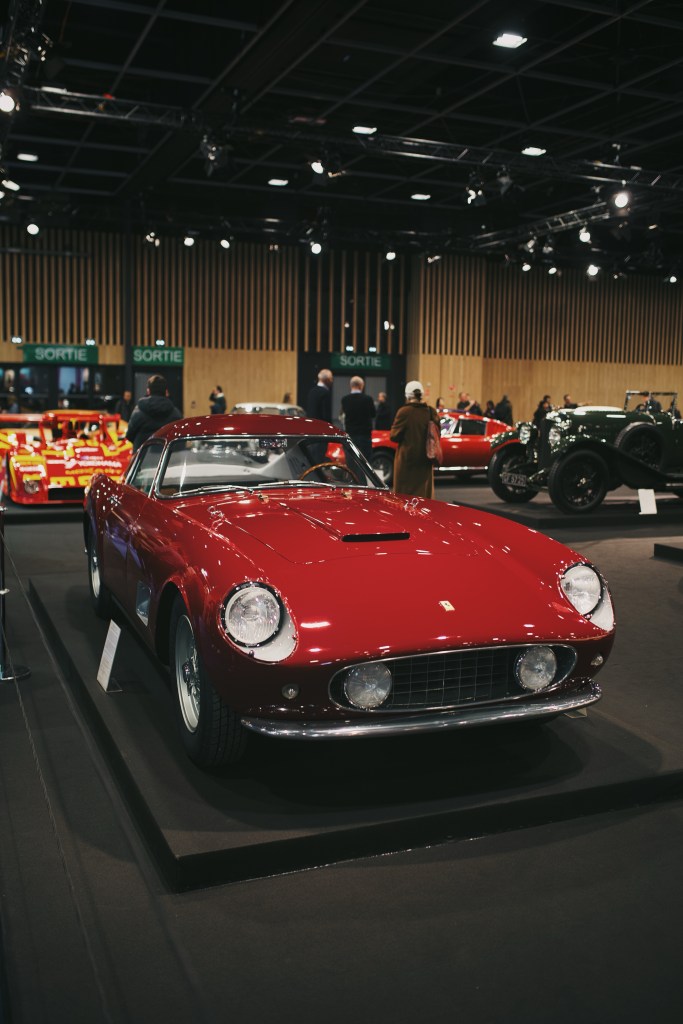
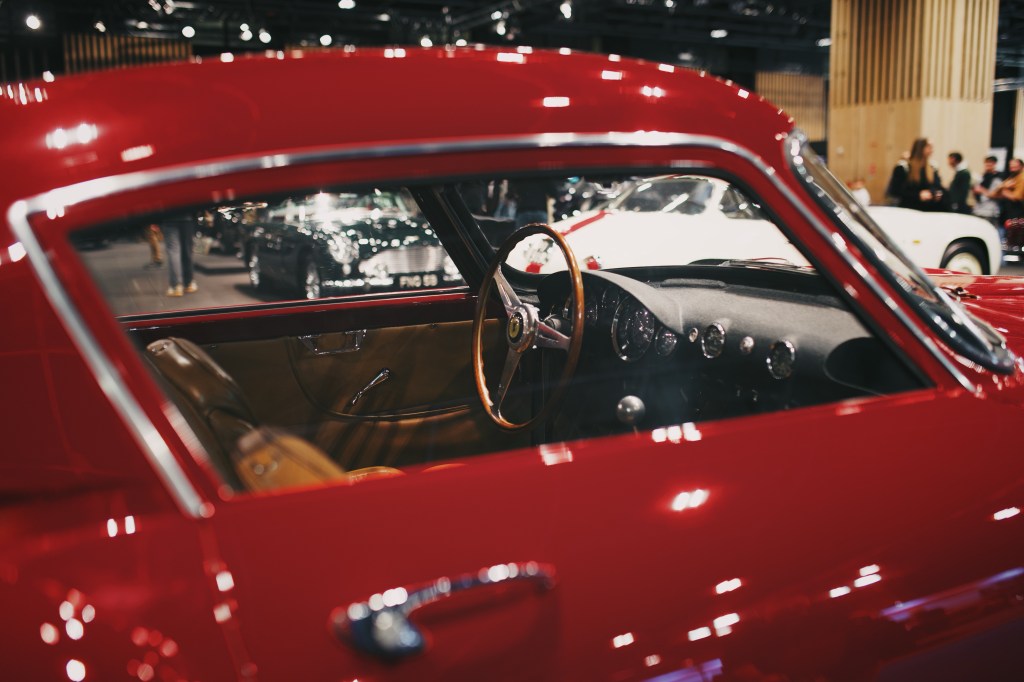
RM Sotheby’s offered the most important of the 250 GT Berlinettas: the very car that gave the series its ‘Tour de France’ moniker. In 1956, it was sold to the Marquess Alfonso de Portago, a Spanish aristocrat, bobsledder, and playboy who tragically lost his life during the 1957 Mille Miglia. In September 1956, he entered the Tour de France Automobile with his friend Ed Nelson and ultimately won the event, finishing ahead of legendary drivers Stirling Moss, in a factory Mercedes-Benz 300 SL, and Olivier Gendebien, in a Ferrari 250 Europa GT. At that time, a manufacturer whose car had won a race was allowed to add the event’s name to the model, which won the competition four times in a row between 1956 and 1959.
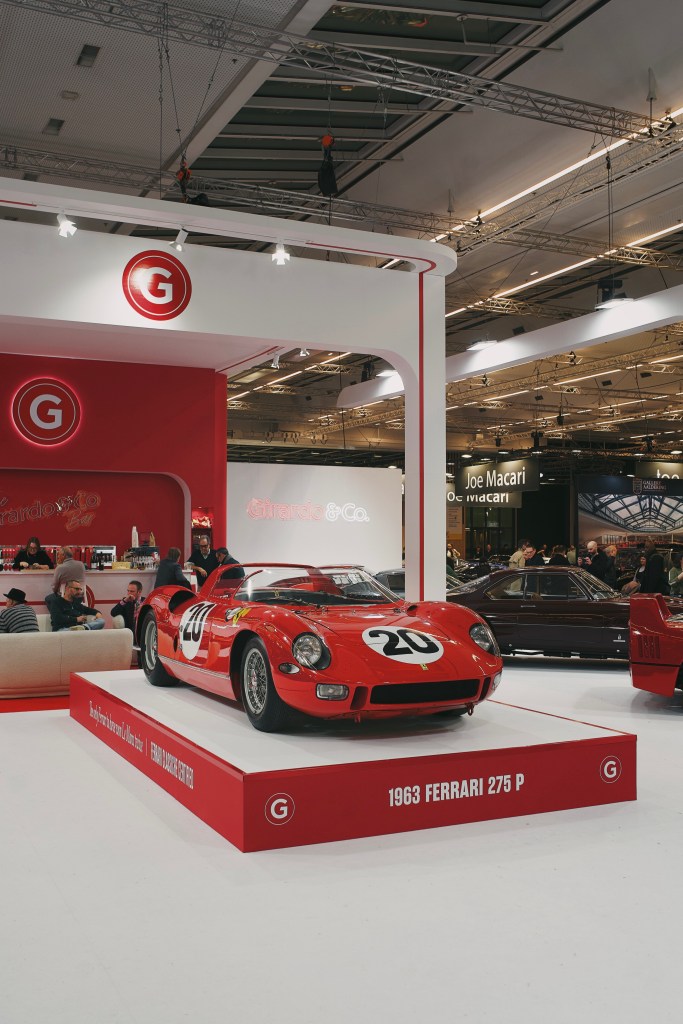
Alongside Jean-Paul Belmondo’s former 275 GTB, the Girardo & Co stand at Rétromobile also displayed another historically significant Ferrari racing car. Dubbed ‘the only Ferrari to have won the 24 Hours of Le Mans twice’, the 275P triumphed during the 1964 edition with Jean Guichet and Nino Vaccarella at the wheel. The car was then sold to Luigi Chinetti, who engaged it with the North American Racing Team (N.A.R.T.) in Northern American races, before it was acquired by French collector Pierre Bardinon. After his death, and following disputes among his heirs in 2017–2018, the car was ultimately consigned to RM Sotheby’s for private sale. With the expertise of Ferrari Classiche, a remarkable discovery was made: not only had the 275P won the 1964 24 Hours of Le Mans, but its chassis had previously been used in the 250P that won outright at Le Mans the year before, in 1963, driven by Bandini and Scarfiotti.
The British dealer also presented a 750 Monza, a favorite among privateers; with 57 examples built, it claimed 55 overall victories and 24 class wins in 219 races.
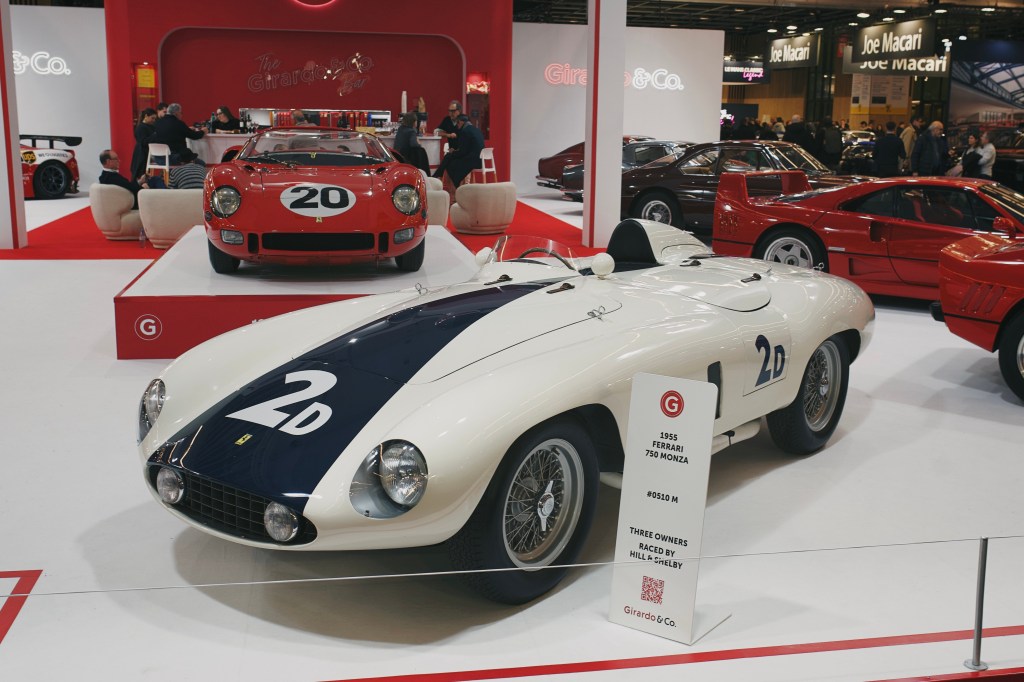
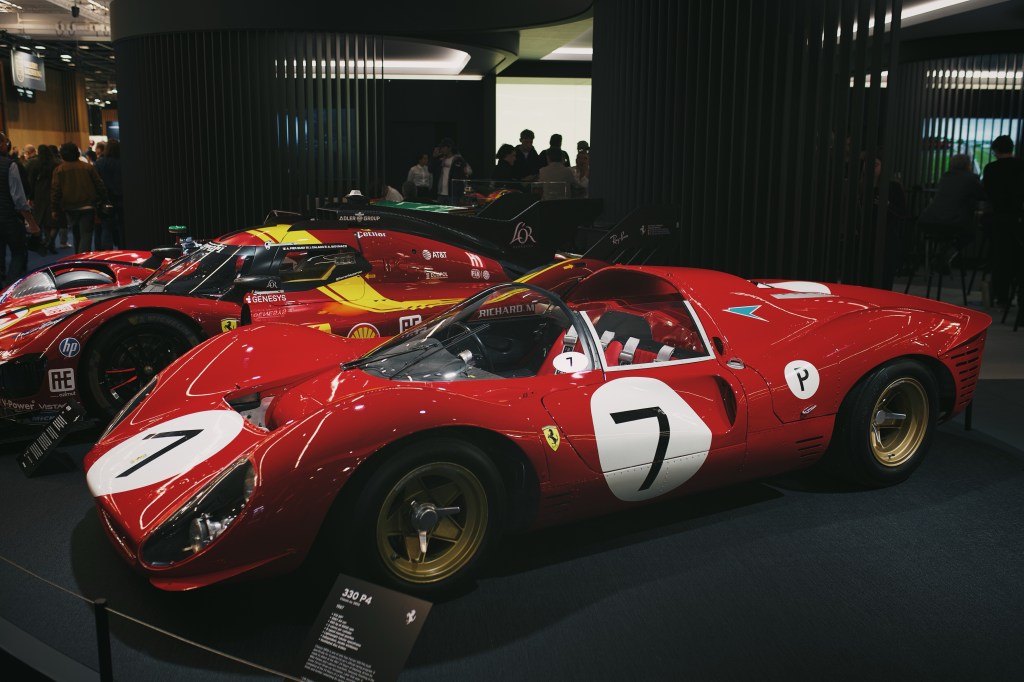
For Rétromobile’s 50th anniversary, watchmaker Richard Mille brought together an outstanding selection of Ferrari cars that had either competed in or won the 24 Hours of Le Mans. Among them was the surprise winner of the 1965 edition, the Scuderia’s last until 2023. For its second consecutive entry, Ford returned with eleven cars-featuring the new GT 40 with its huge 7.0-liter engine-to challenge Ferrari, which had won seven times at Le Mans over the previous eight years. For its part, the Italian manufacturer also entered eleven cars, including the newer 330 P2.
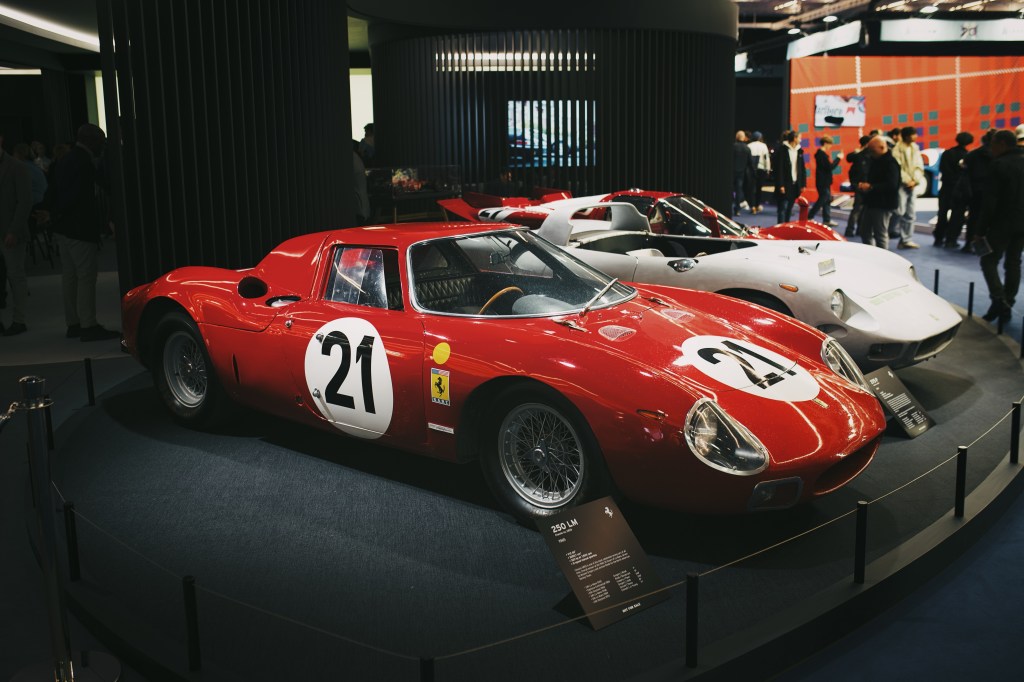
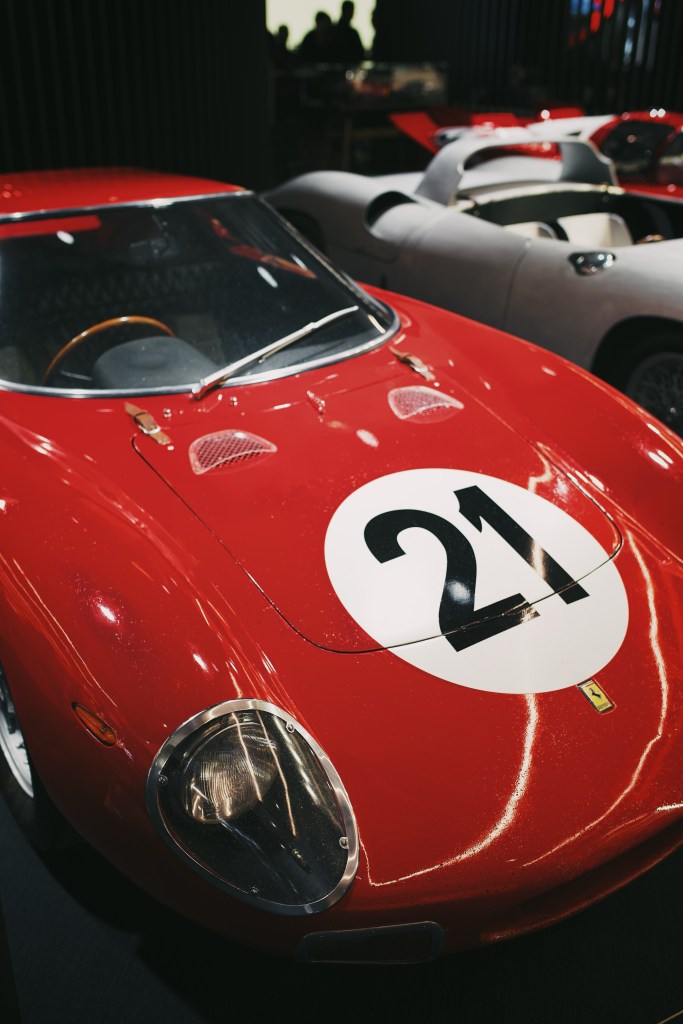
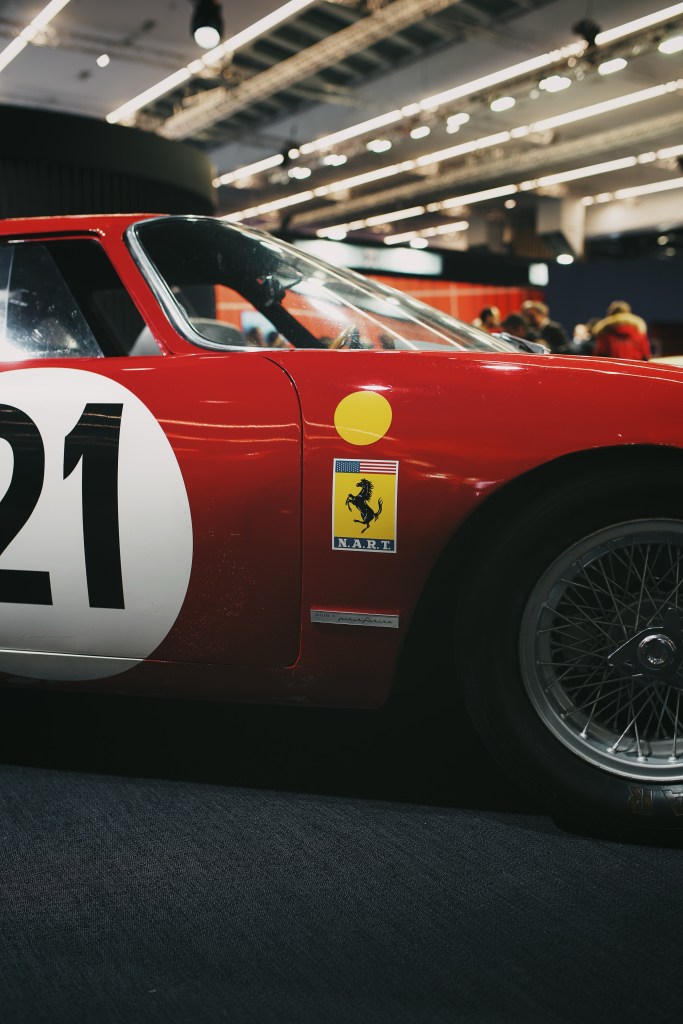
As expected, the battle between the GT40 and the 330 P2 was fierce. However, after seven hours, all the American cars had retired due to engine or transmission issues, while all eleven Italian entries were still in the race. Victory seemed within reach for the 330 P2, but problems with their new braking system forced them to drop out in the hours that followed.
Let’s now turn our attention to the team of the Ferrari 250 LM #21, run by N.A.R.T.: Masten Gregory was an experienced American Formula One driver, paired with the young and promising Austrian, Jochen Rindt, who would later become F1 World Champion before tragically losing his life at the 1970 Monza Grand Prix. After a difficult start plagued by technical issues, Rindt was ready to leave the circuit by taxi, but Gregory eventually persuaded him to continue the race once their car had been repaired. With the favorites dropping out and after an incredible comeback, Rindt and Gregory took the lead before 1 p.m. on Sunday , ultimately clinching victory in the 33rd 24 Hours of Le Mans.
Final thoughts – Il meglio di due mondi
The 1950s and ’60s, widely regarded as a golden age for classic Ferraris, produced both elegant coupes and convertibles as well as purebred racing machines. The 250 GT California Spider manages to embody both. Sharing its chassis with the 250 GT Berlinetta (see above), it boasts true racing DNA, yet still ranks among the most beautiful convertibles of the second half of the twentieth century, owned by movie stars and captains of industry.
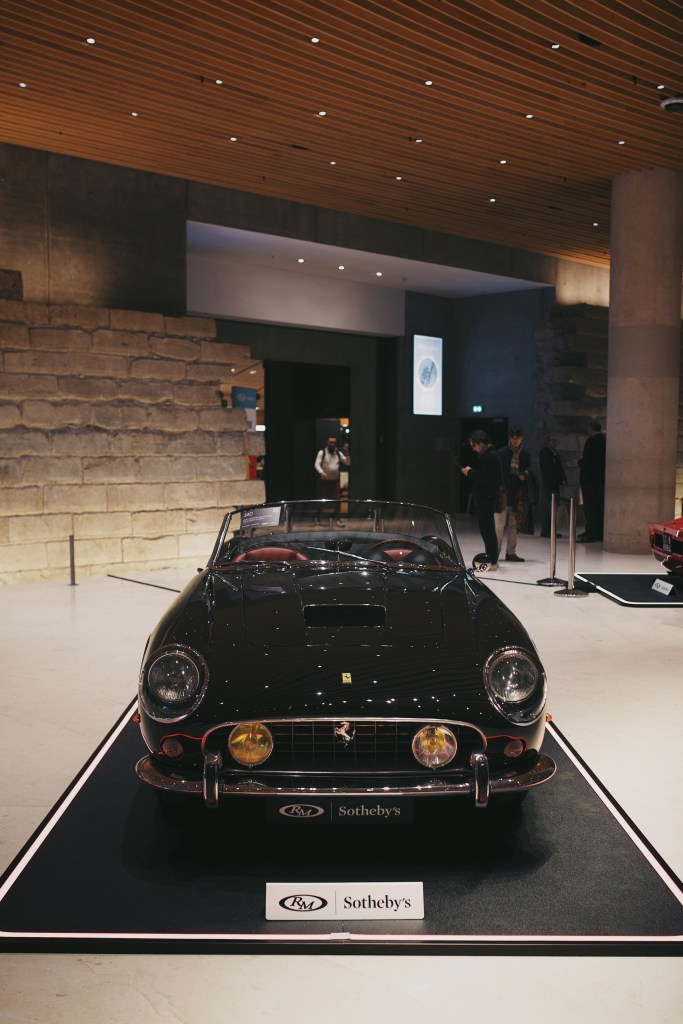
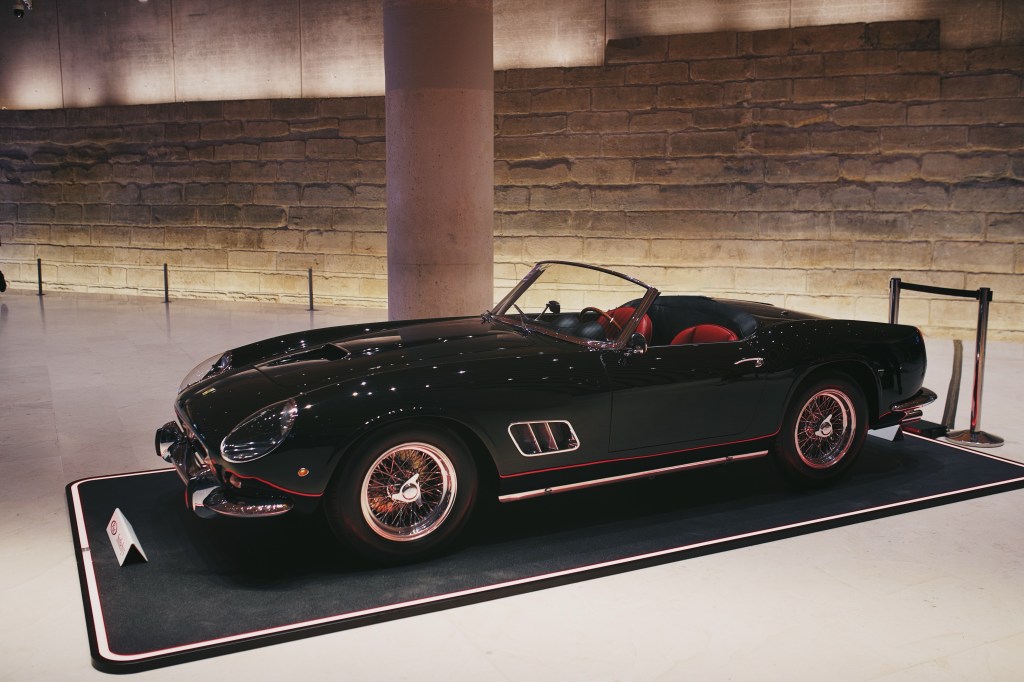
The 250 GT short-wheelbase California spider listed by RM Sotheby’s was one of the highlight of the sale. Delivered in Paris in 1960 to a wealthy industrialist from eastern France, the car is one of just 39 examples originally specified with covered headlamps, out of the 56 SWBs ever produced. It fetched an impressive €14 million at auction, a figure that invites comparison with a similar example once owned by French actor Alain Delon, which the auction house Artcurial sold for an even higher €16.2 million at the 2015 Rétromobile show.
Photos credits: @elegantinparis
 Elégances Parisiennes