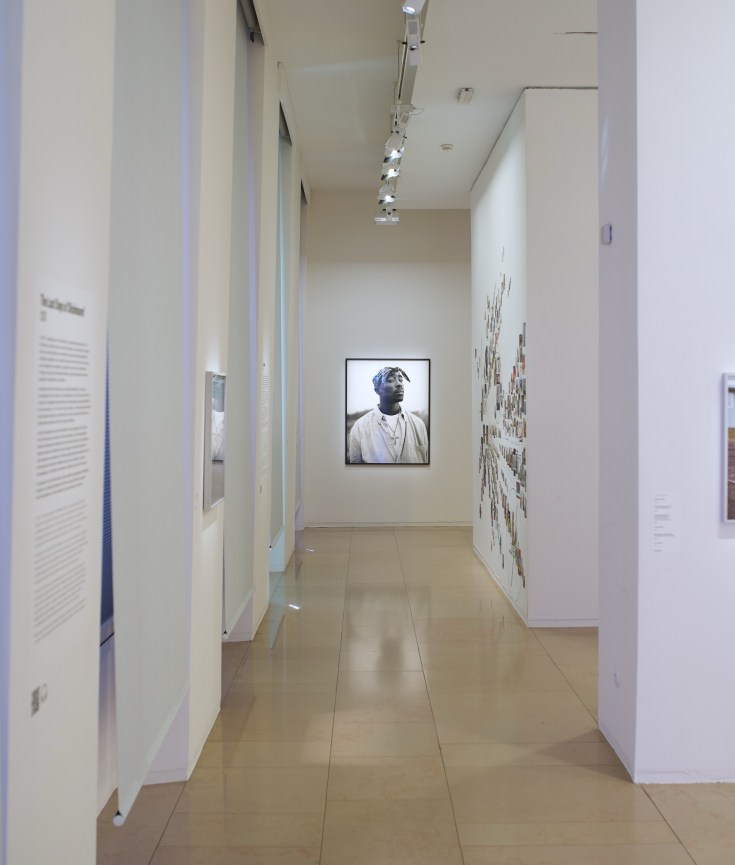

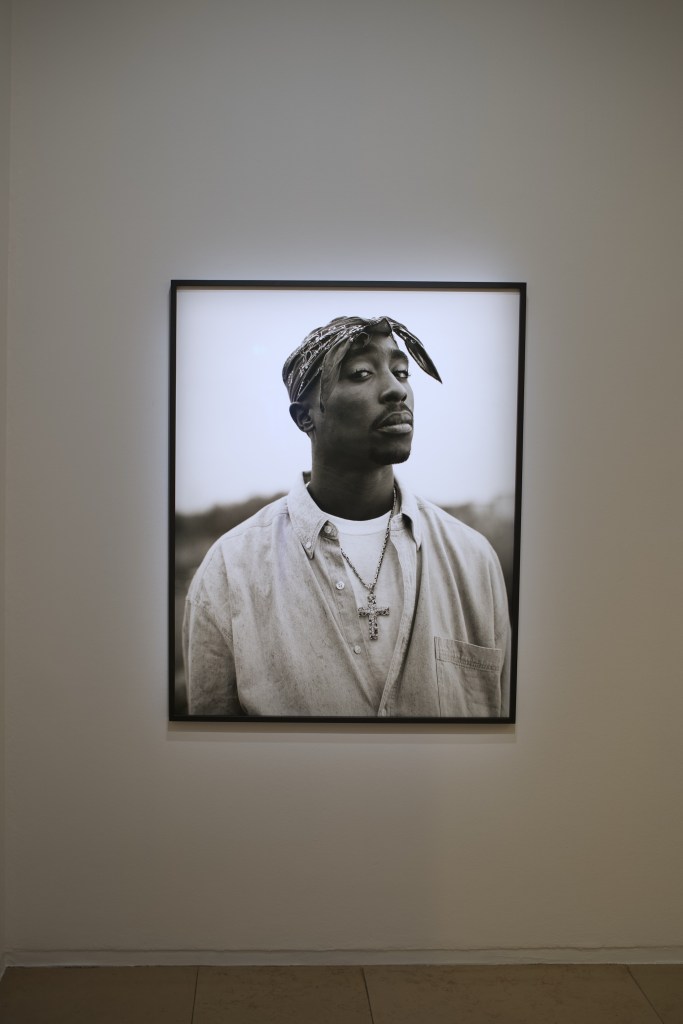
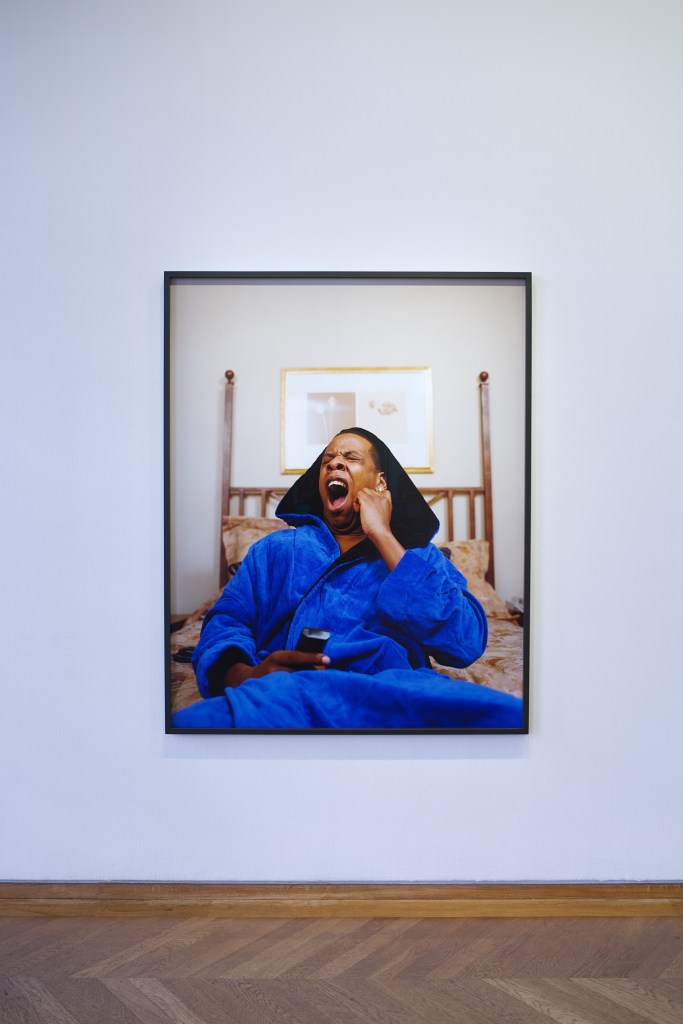
‘Is Tupac Crazy or Just Misunderstood?’ read the cover line of Vibe in February 1994, on what became one of the magazine’s most iconic issues. While the striking cover image—featuring the rapper in a straitjacket—was shot by Shawn Mortensen, the accompanying photo series inside the magazine was captured by Dutch photographer Dana Lixenberg, resulting in some of the most memorable images of the artist, who would pass away just two years later.
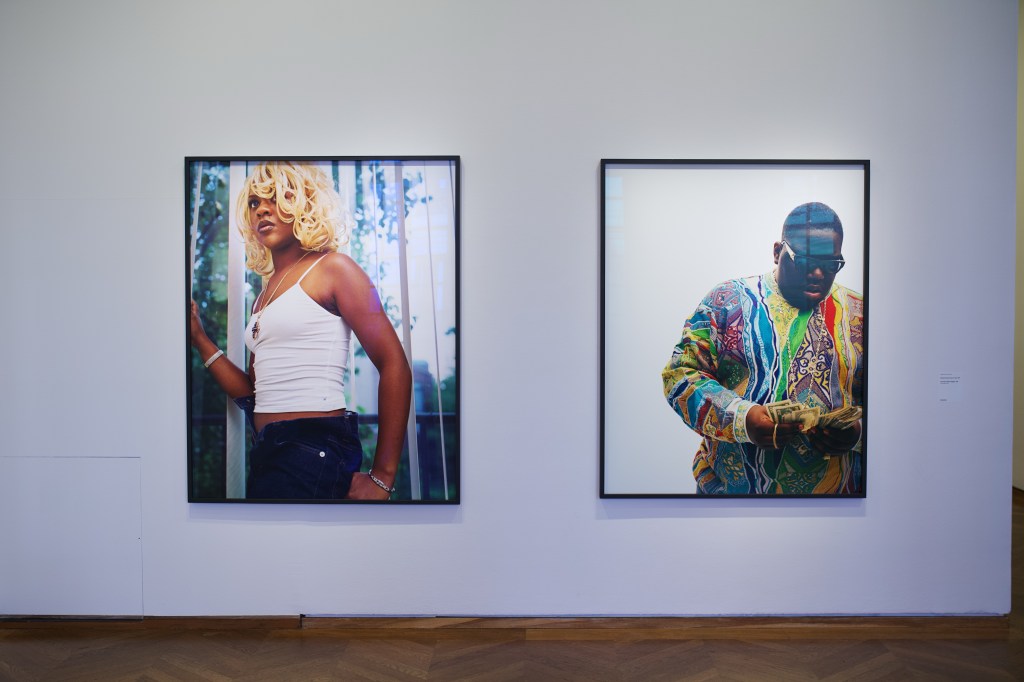
Born in Amsterdam in 1964, Dana Lixenberg moved to the United States in the late 1980s. She rose to prominence in the 1990s for her raw, unvarnished portraits of celebrities, as well as her photo series featuring iconic rappers such as The Notorious B.I.G. and Jay-Z, published in magazines like Vibe, The Source, and Rolling Stone. The Maison Européenne de la Photographie (MEP) in Paris is hosting American Images, her retrospective through May 24, 2026, featuring work from the past three decades.
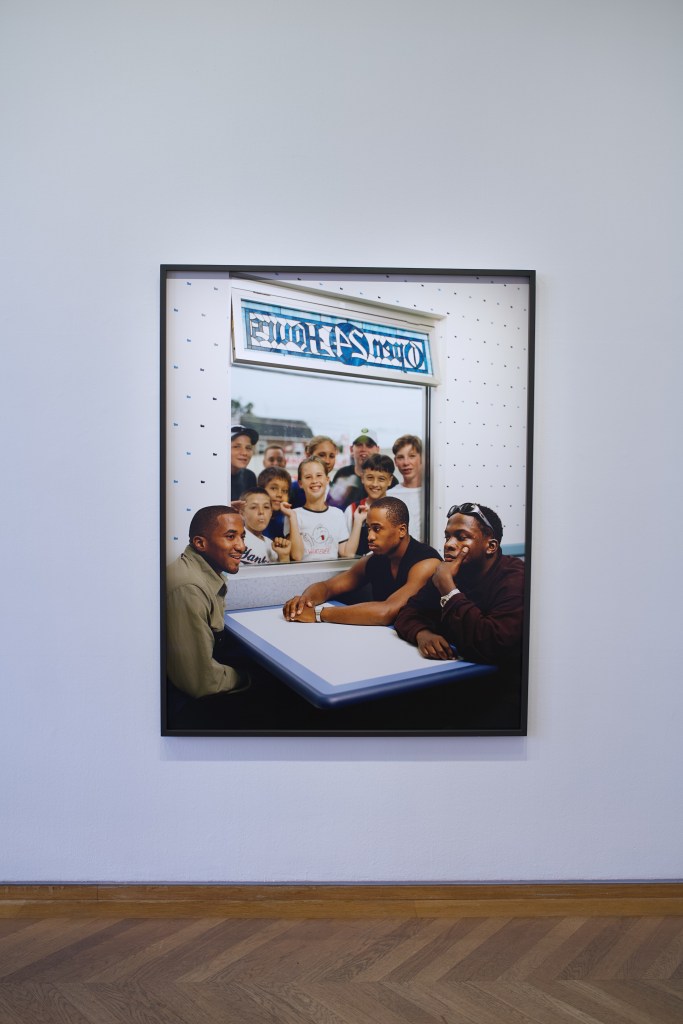
Kamaal ‘Q-Tip’ Fareed, Ali Shaheed Muhammad & Malik ‘Phife’ Taylor (A Tribe Called Quest), 1997
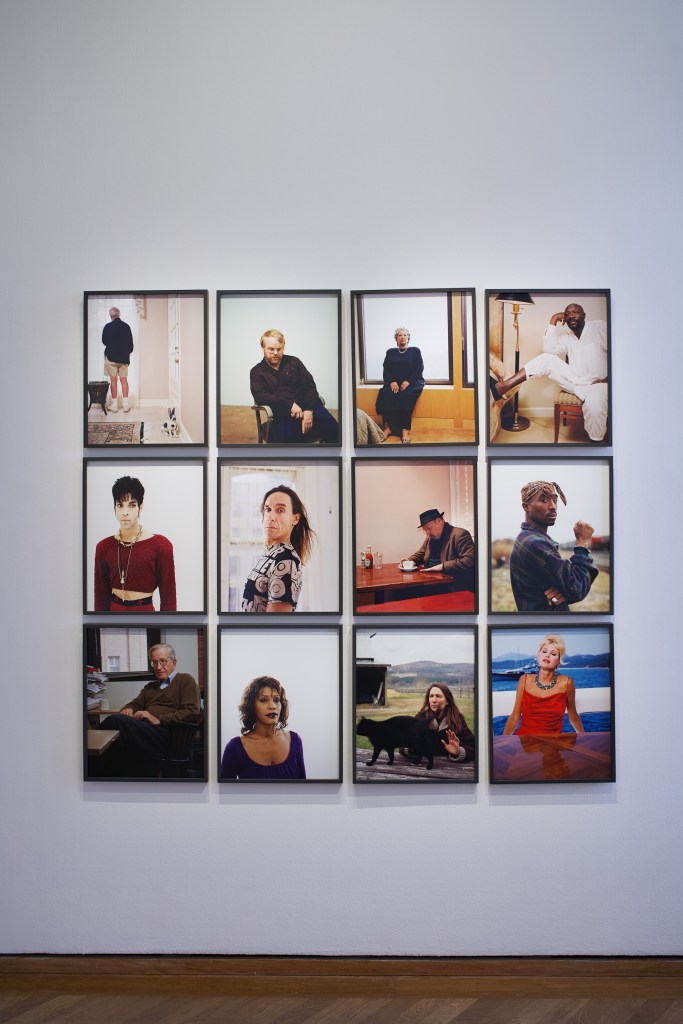
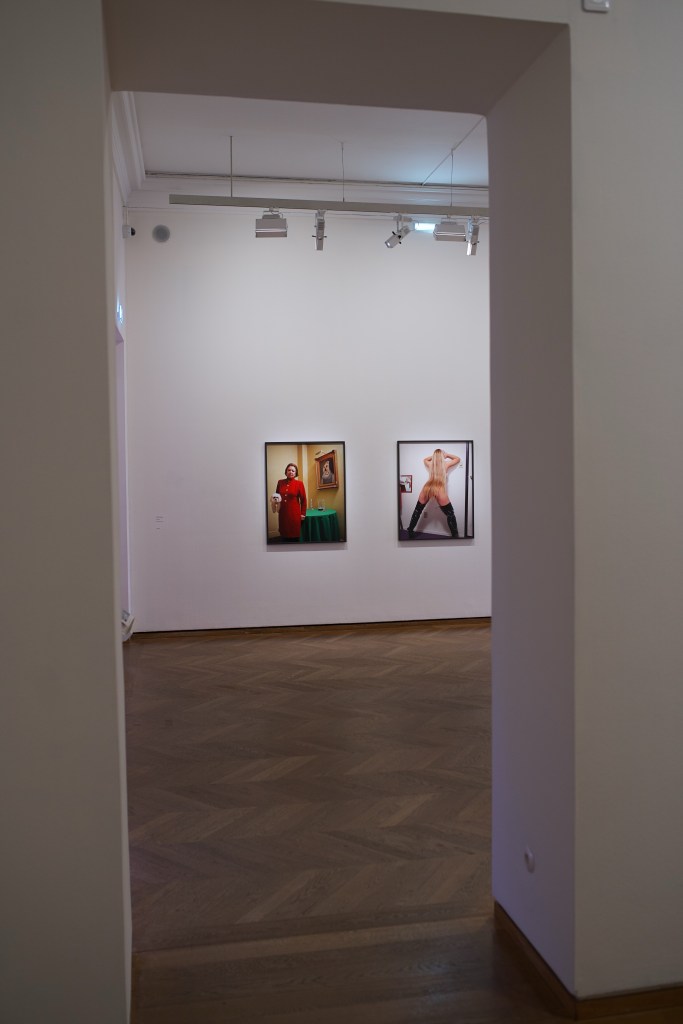
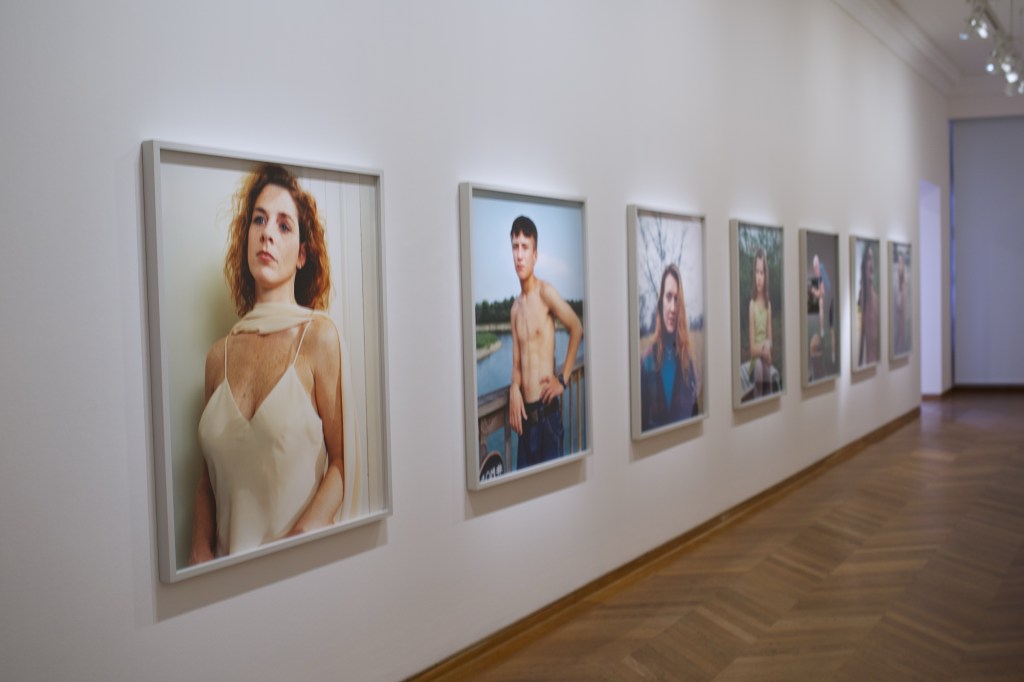
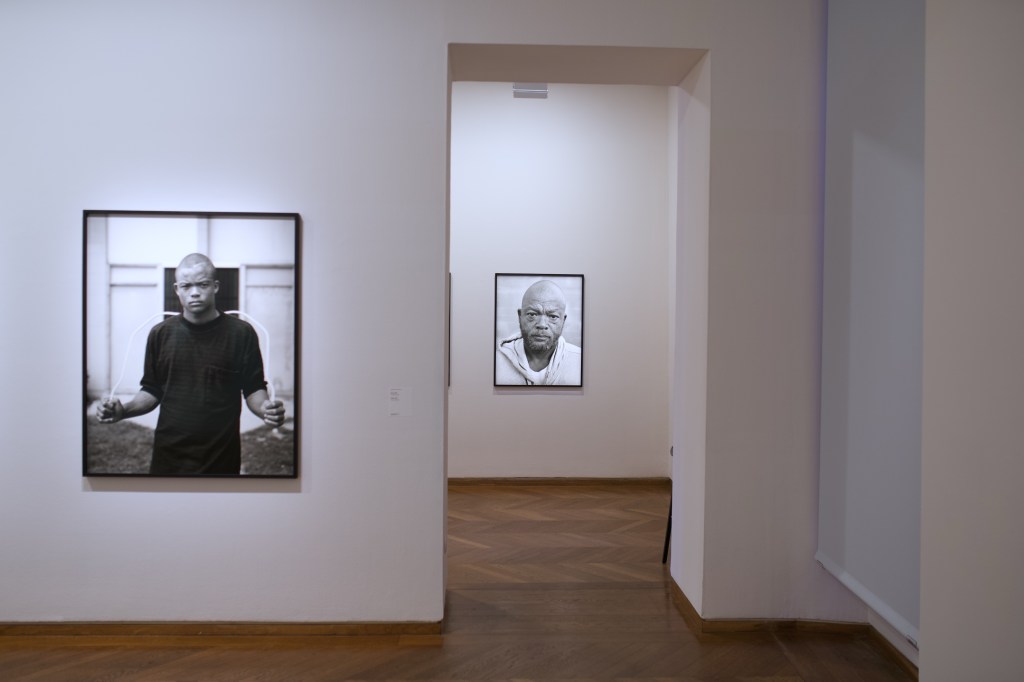
From Ivana Trump to Prince and Philip Seymour Hoffman, the first part of the exhibition offers an overview of iconic actors, musicians, and public figures of the 1990s. It also features other series, such as Jeffersonville, Indiana, in which she highlights residents of social housing and homeless shelters in a small American town, showing the other side of the country.
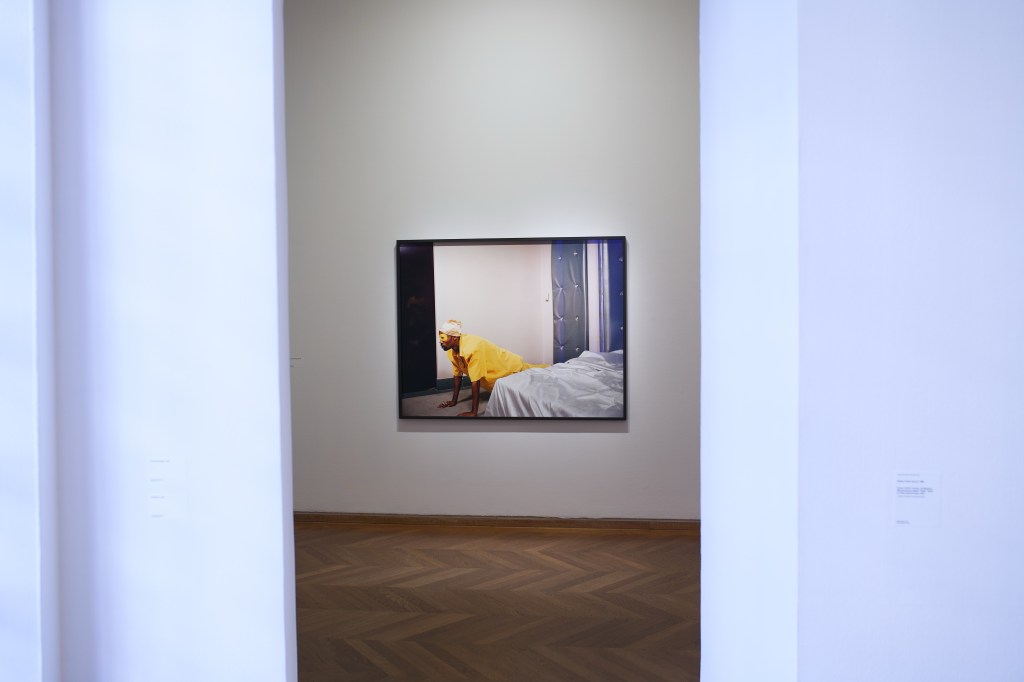
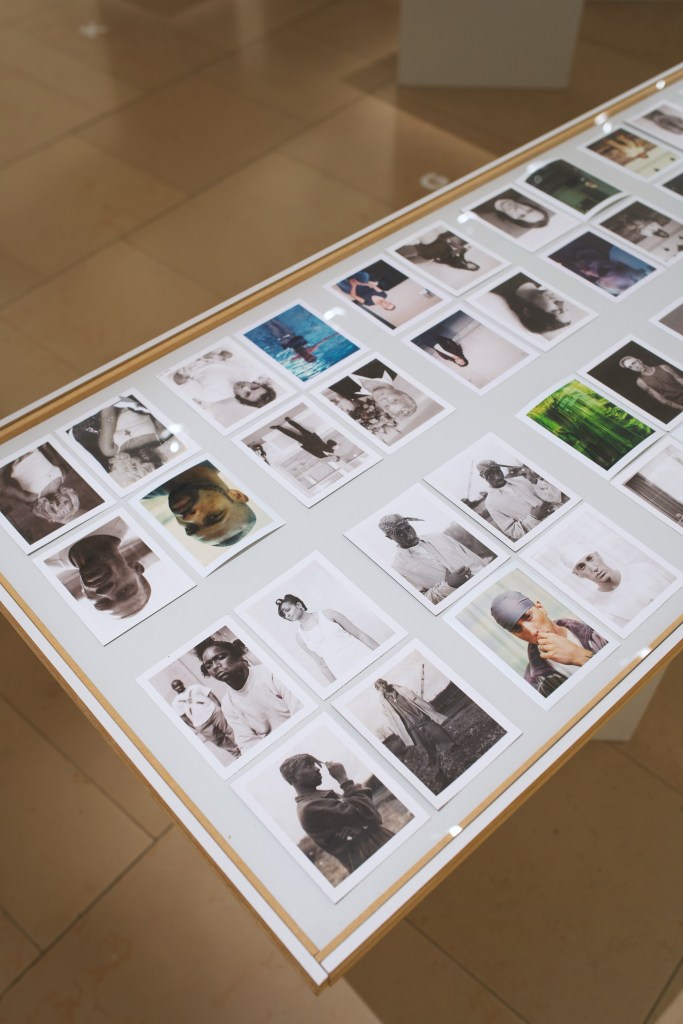
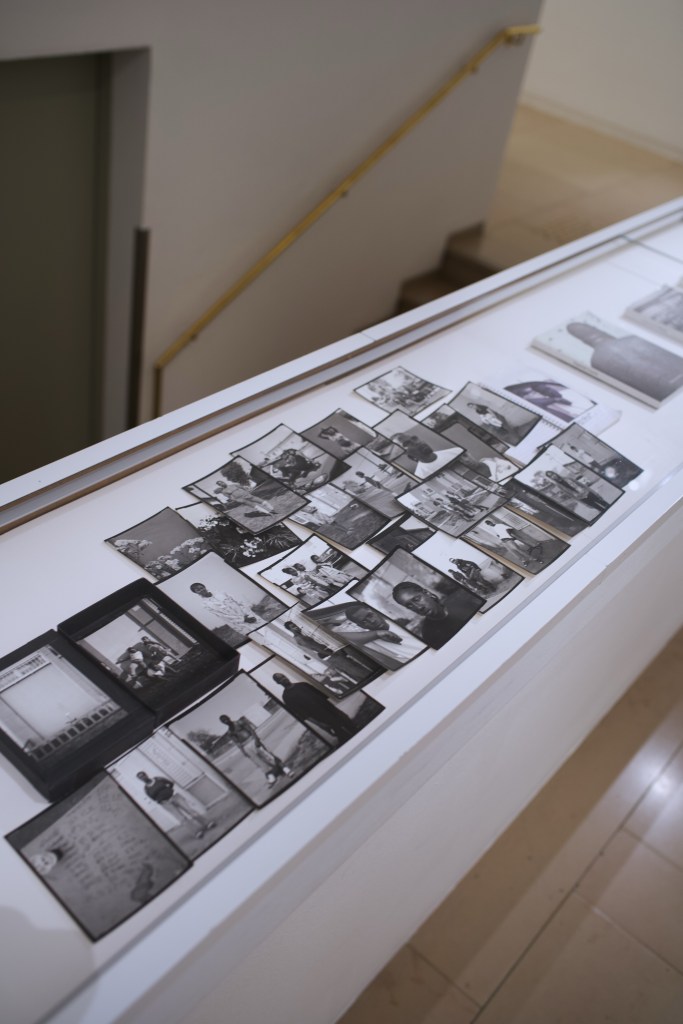
The originality of Lixenberg’s work lies in her use of a view camera, which enables her to create sharp, highly detailed portraits through a slower, more deliberate approach with her subjects. The exhibition also showcases a selection of Polaroids she uses as part of her creative process, offering an intimate insight into her creativity and the way her ideas take shape.
Imperial Courts series
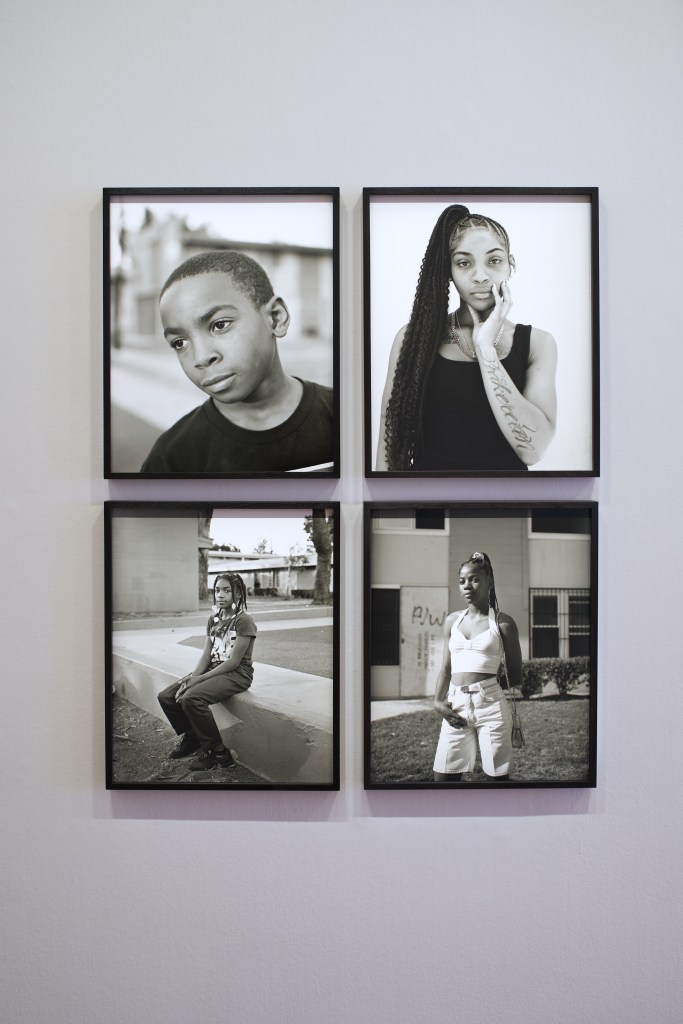
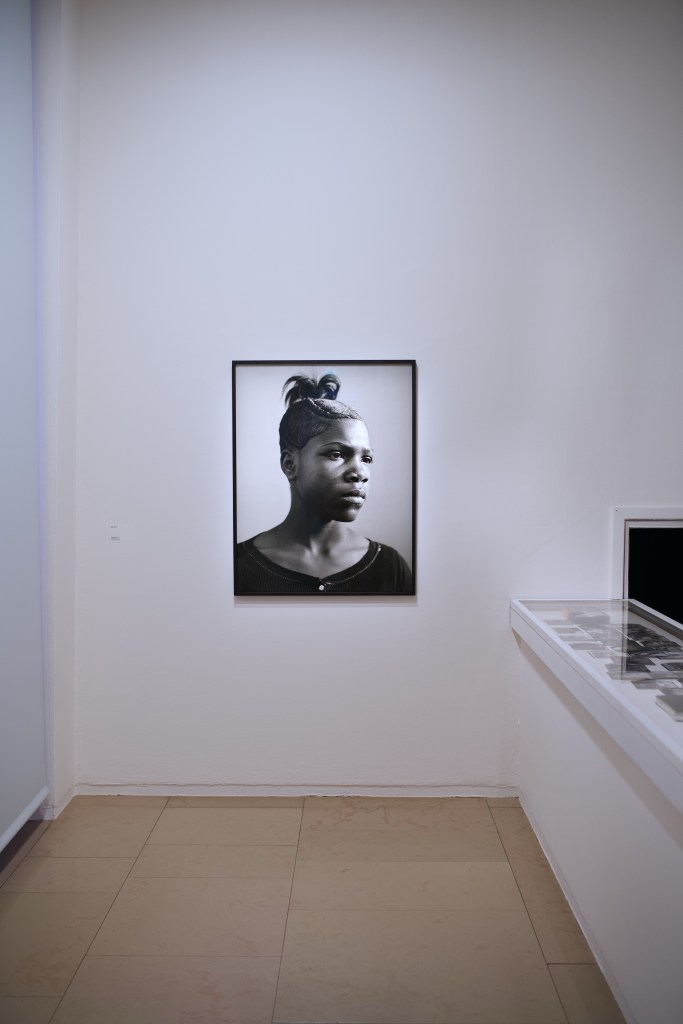
The story of this series began in 1993, when Dana Lixenberg was sent to Los Angeles to cover the riots following the Rodney King case. There, she discovered Imperial Courts, a public housing complex in the Watts neighborhood. At first, the residents were wary and reluctant to open up to this white European woman with her unusual camera. But the Dutch photographer insisted, gradually earning their trust. Between 1993 and 2015, she kept returning, gradually getting to know the people and their stories. Some appeared in her photographs first as children, then as young adults, and eventually as parents, giving her work a remarkable sense of continuity.
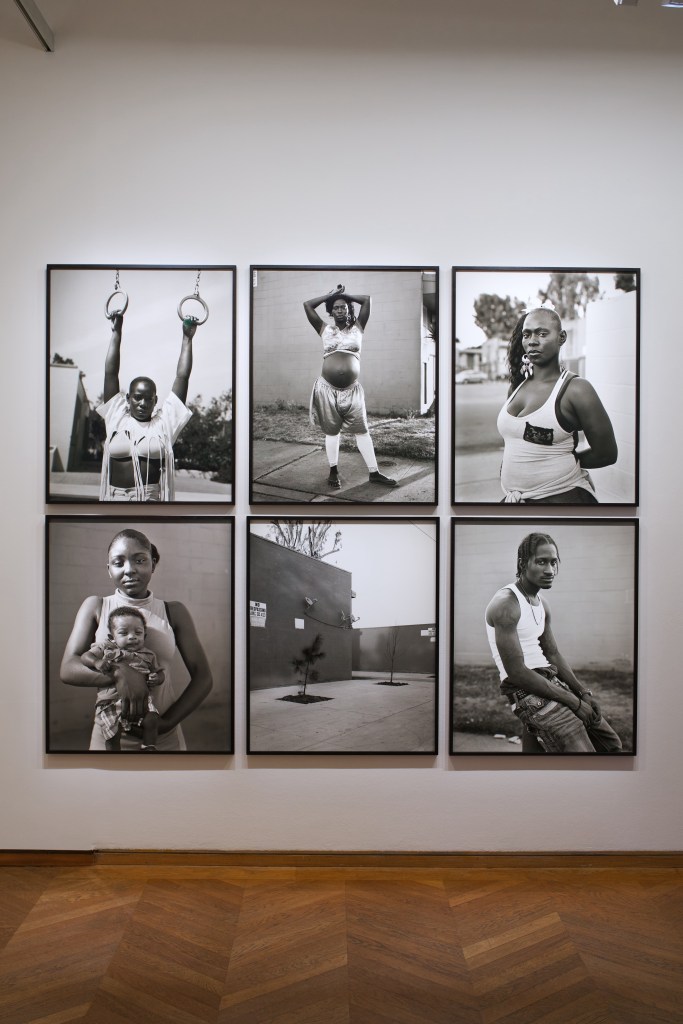
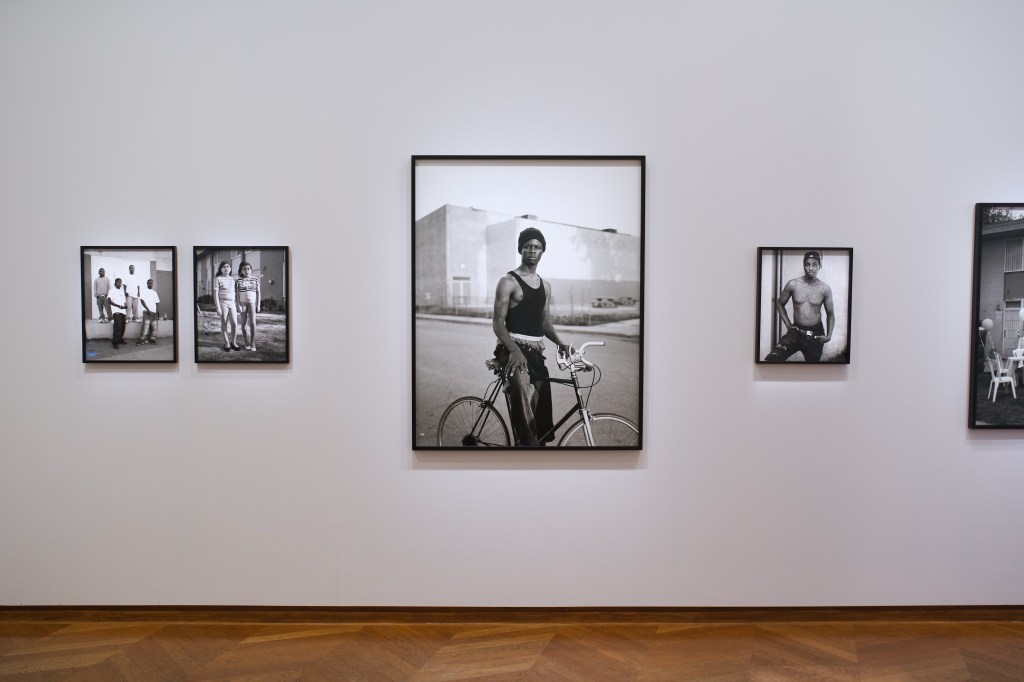
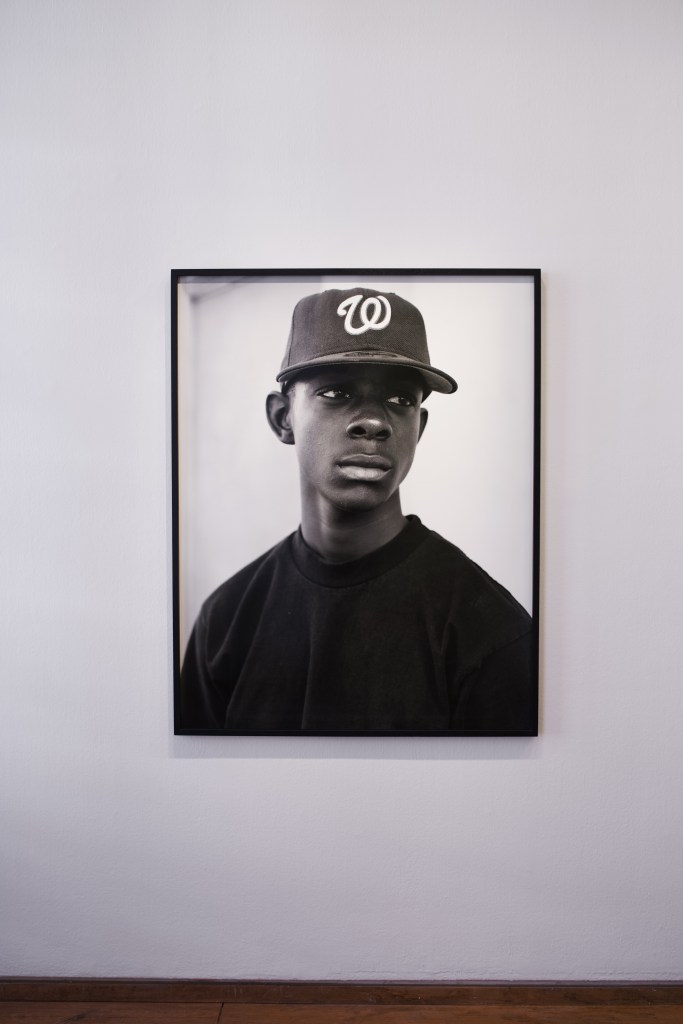
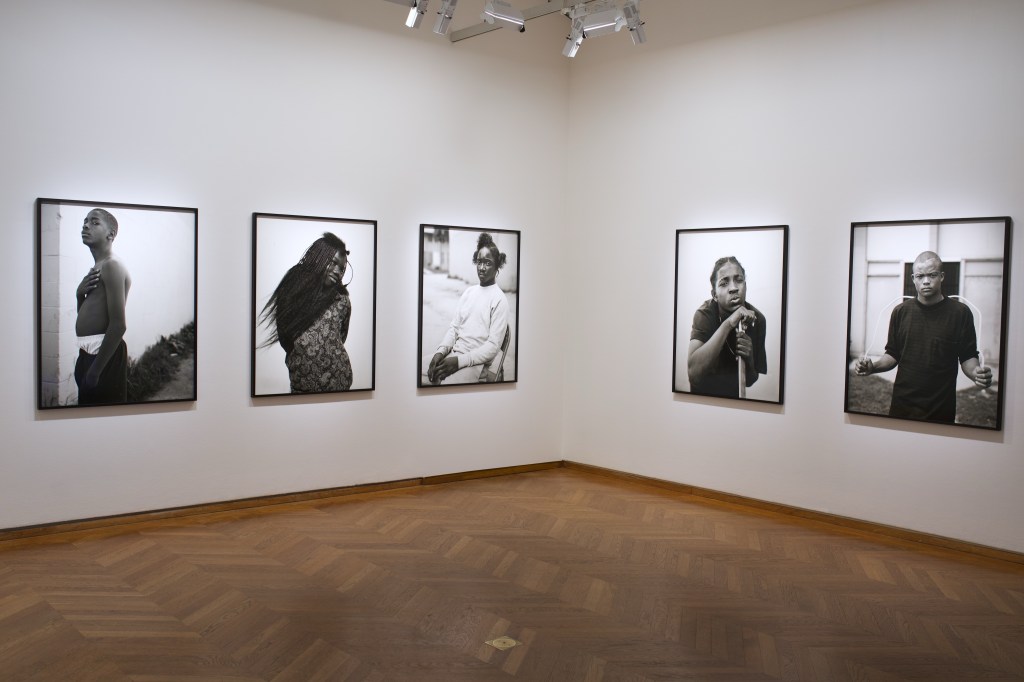
More than a collection of portraits frozen in time, the Imperial Courts series emerges as a far more ambitious body of work—one that encompasses Lixenberg’s relationships with the residents, as well as their stories and lives, unfolding over a span of 22 years. What began as a reportage evolved into a long-term chronicle of a close-knit, underserved community, capturing both its joys and its hardships. The project also extends to a book, a video installation, and a web documentary, and it earned her the Deutsche Börse Photography Foundation Prize in 2017.
Final thoughts
This retrospective, and Dana Lixenberg’s work in general, casts a different light on contemporary United States. For over thirty years, her portraits have captured something that stands apart from the mainstream media, whether her subjects are famous or not. Following in the footsteps of Walker Evans and Gordon Parks, she lends dignity to communities often overlooked or pushed to the margins, making America truly ‘great again’—not through slogans, but through empathy, attention, and the human stories she reveals.
Photos credits: @elegantinparis
 Elégances Parisiennes