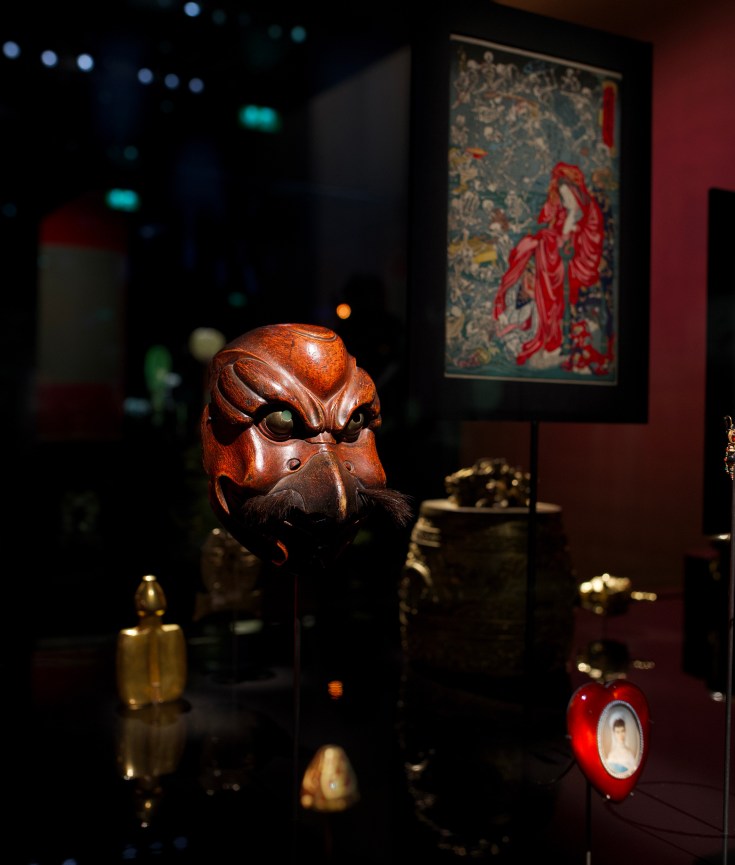

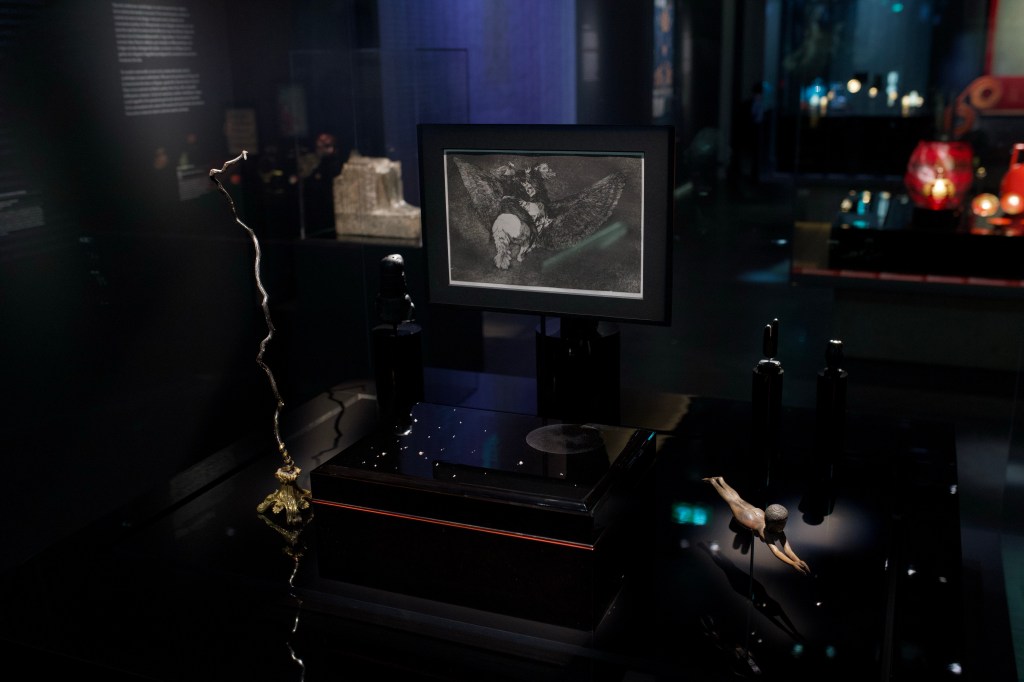
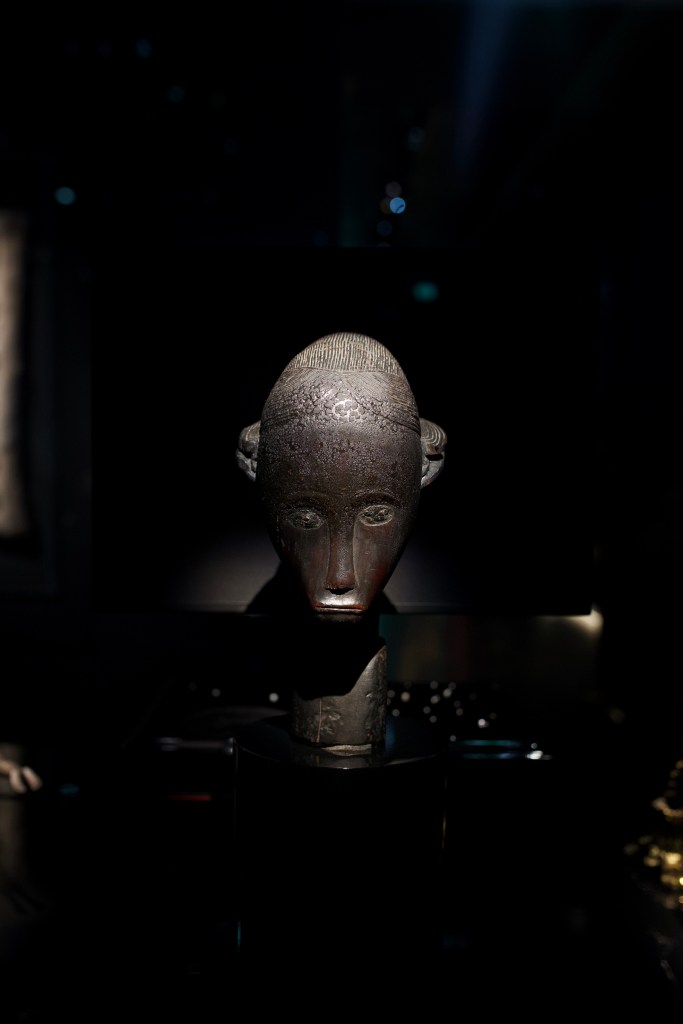
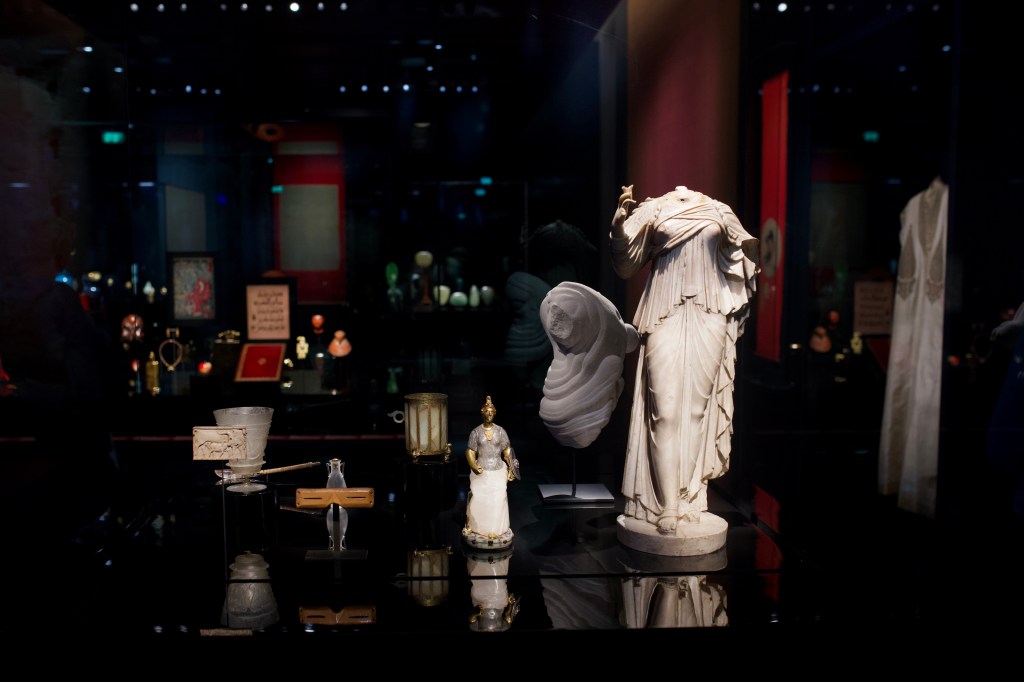
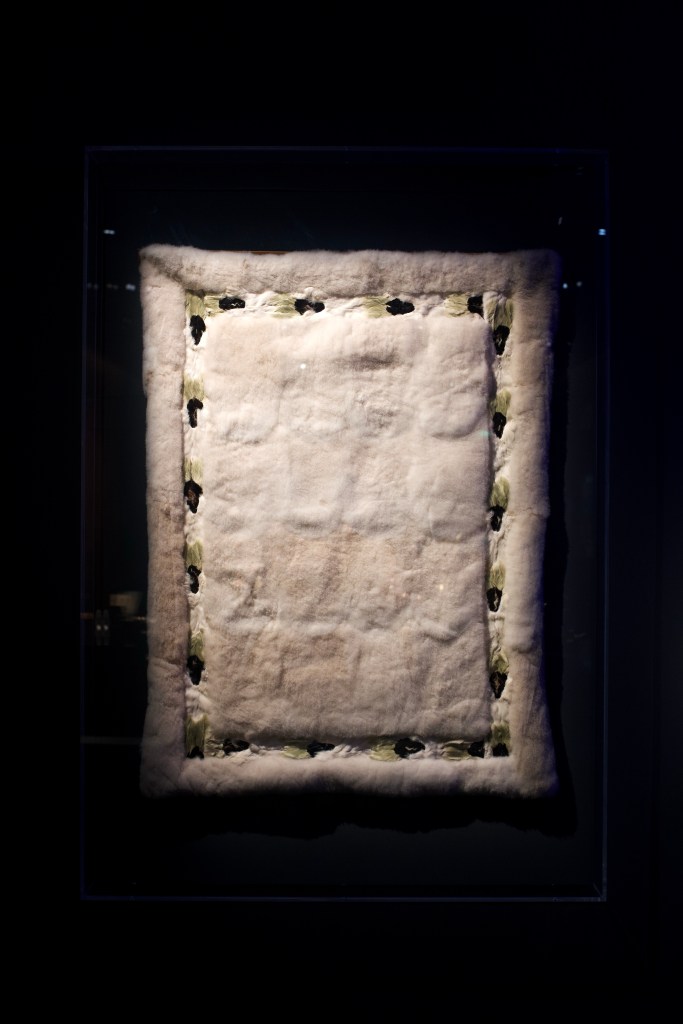
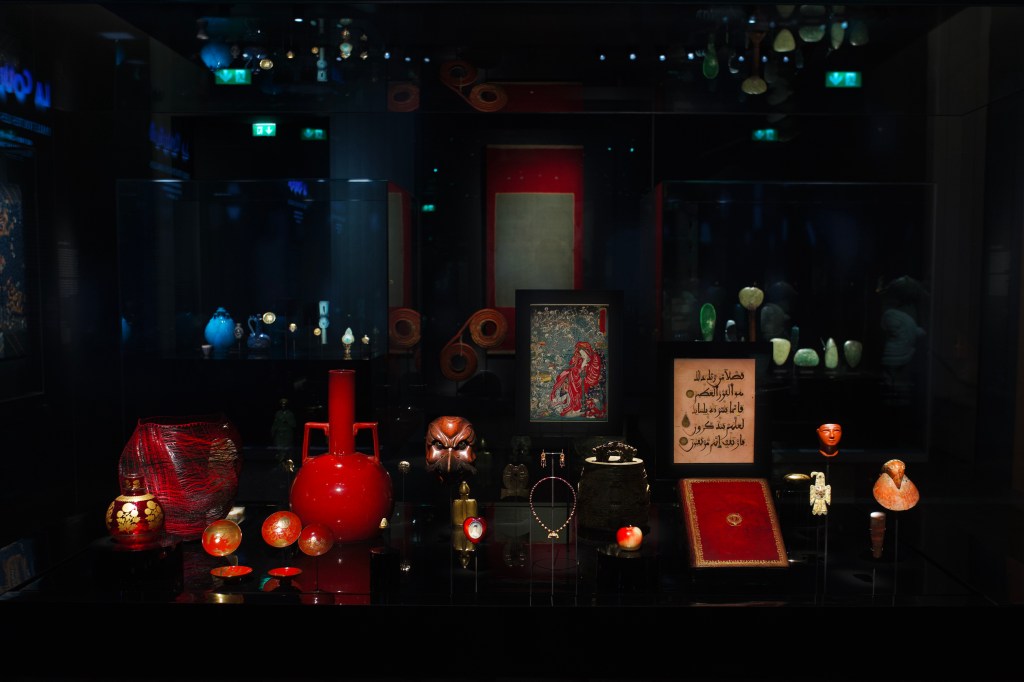
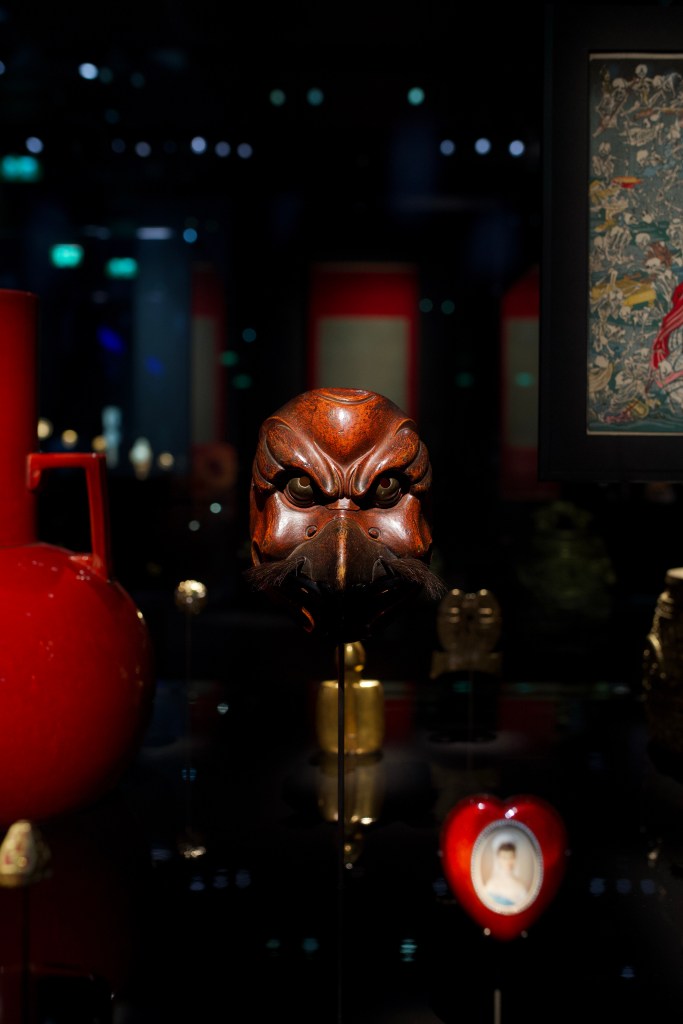
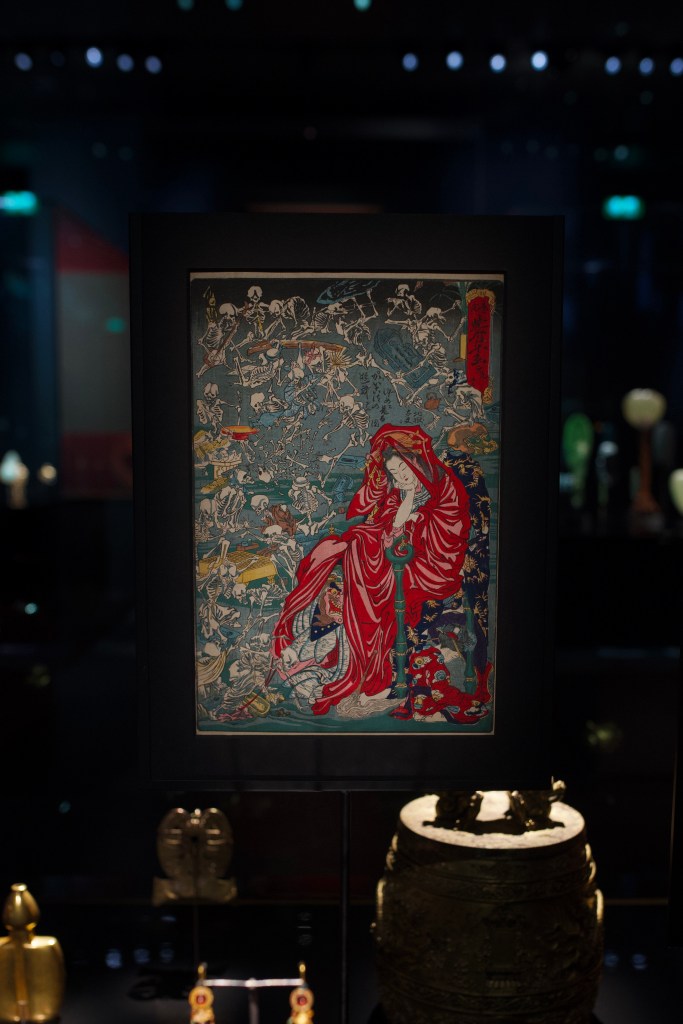
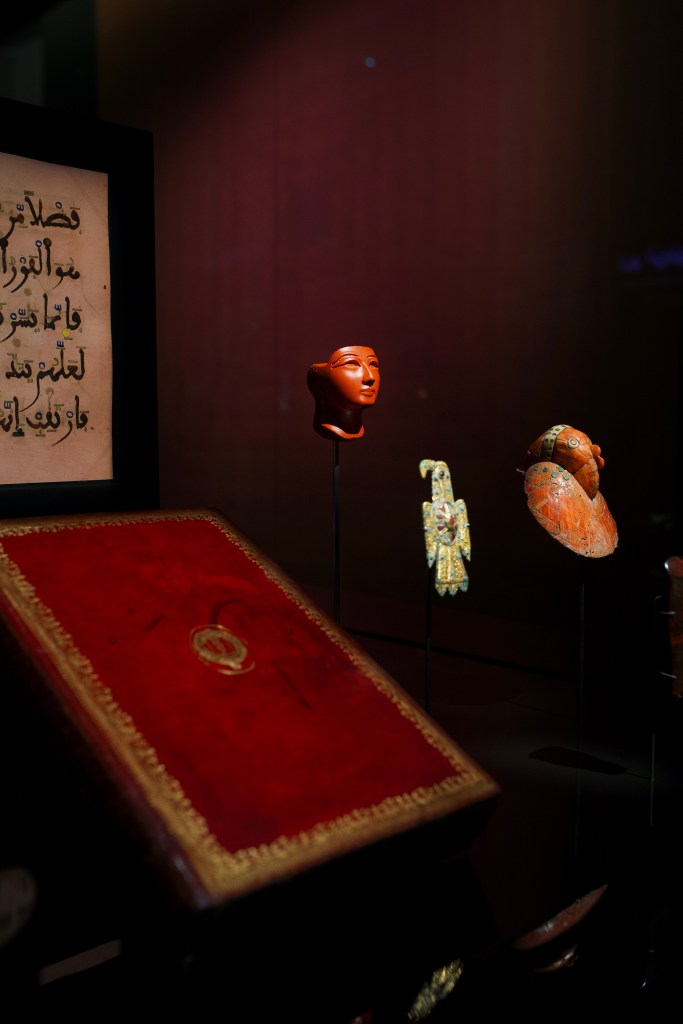
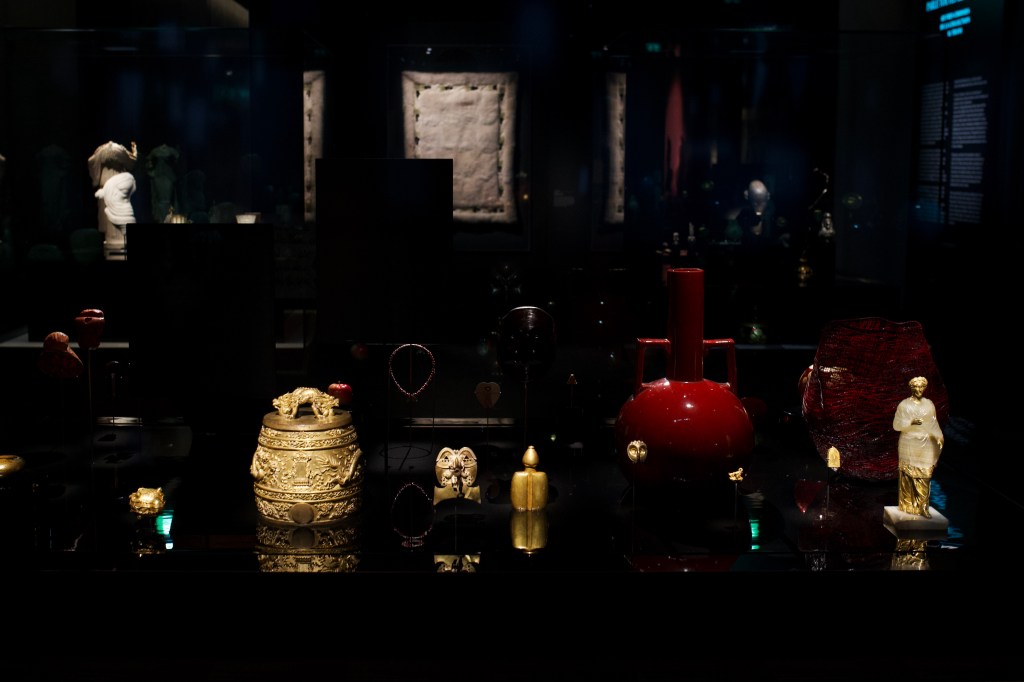
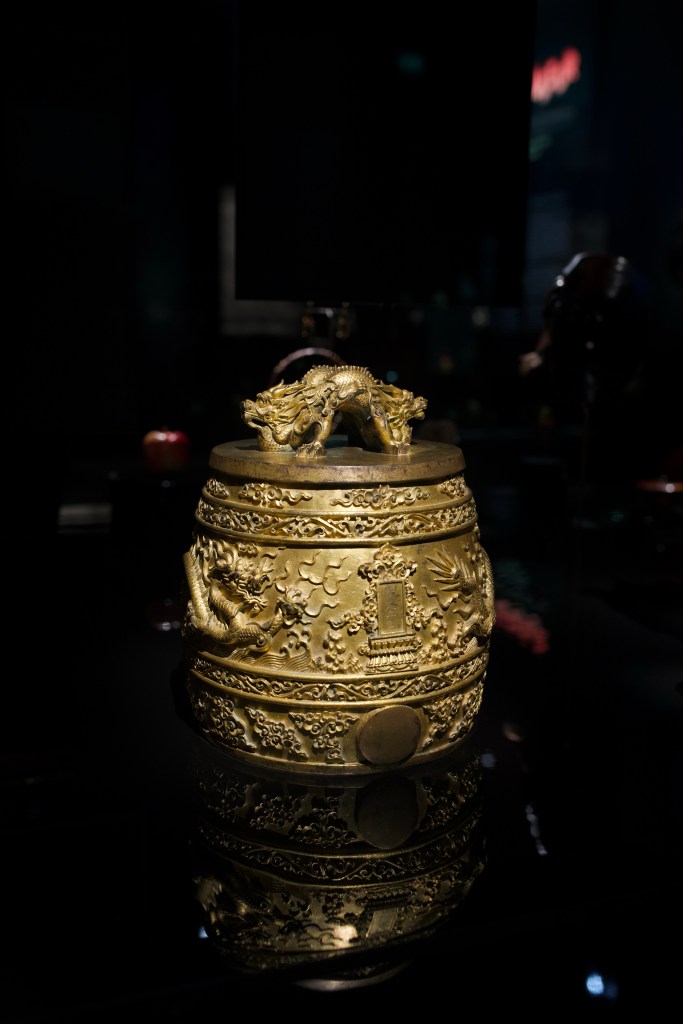
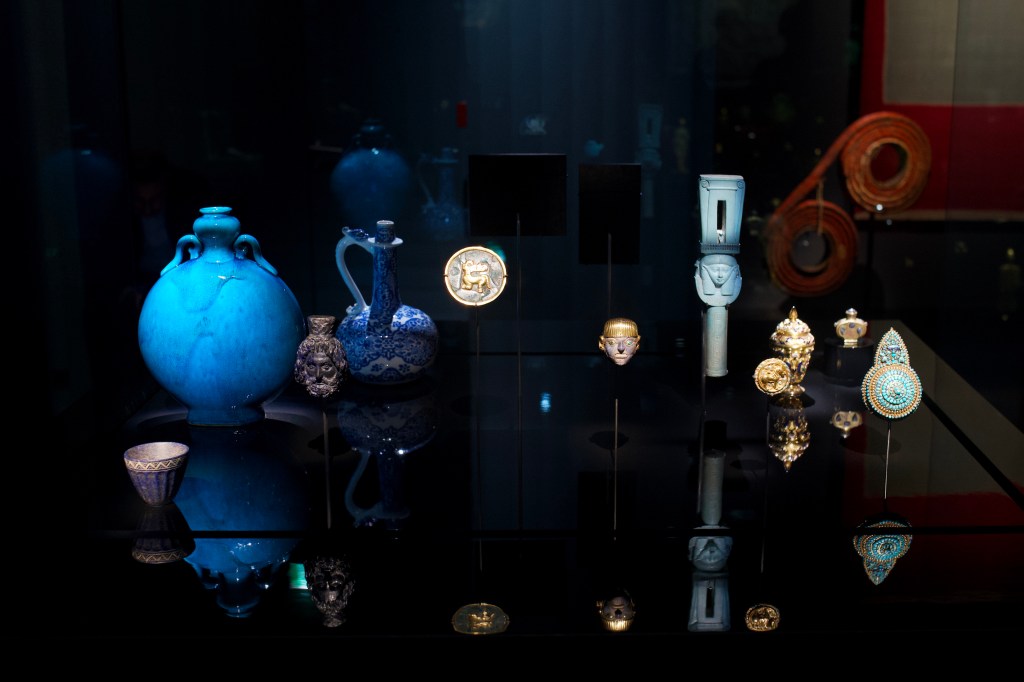
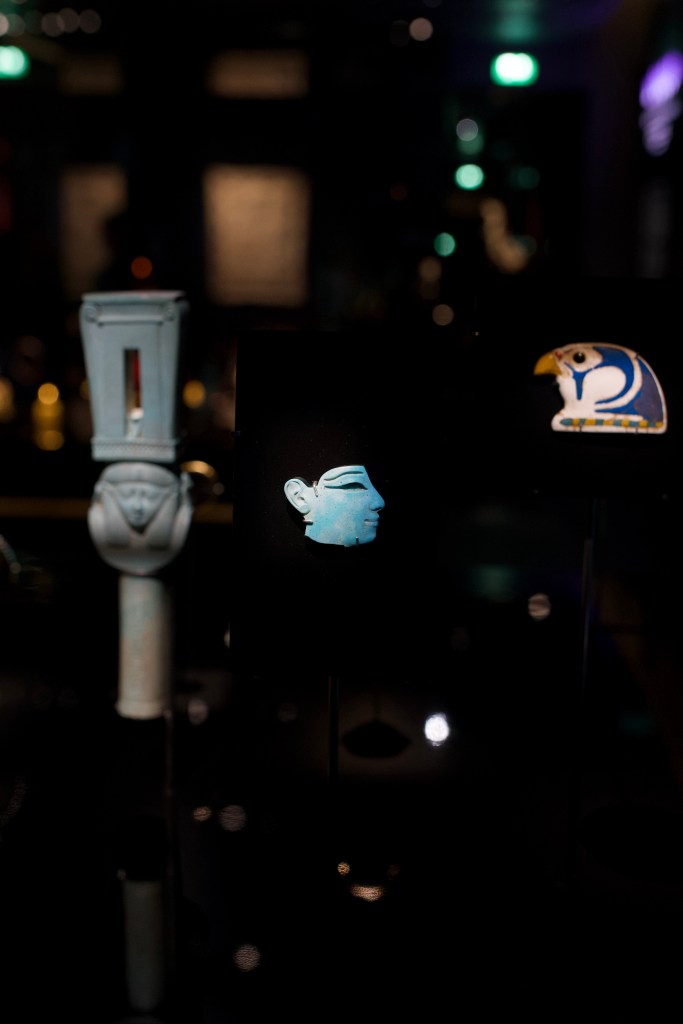
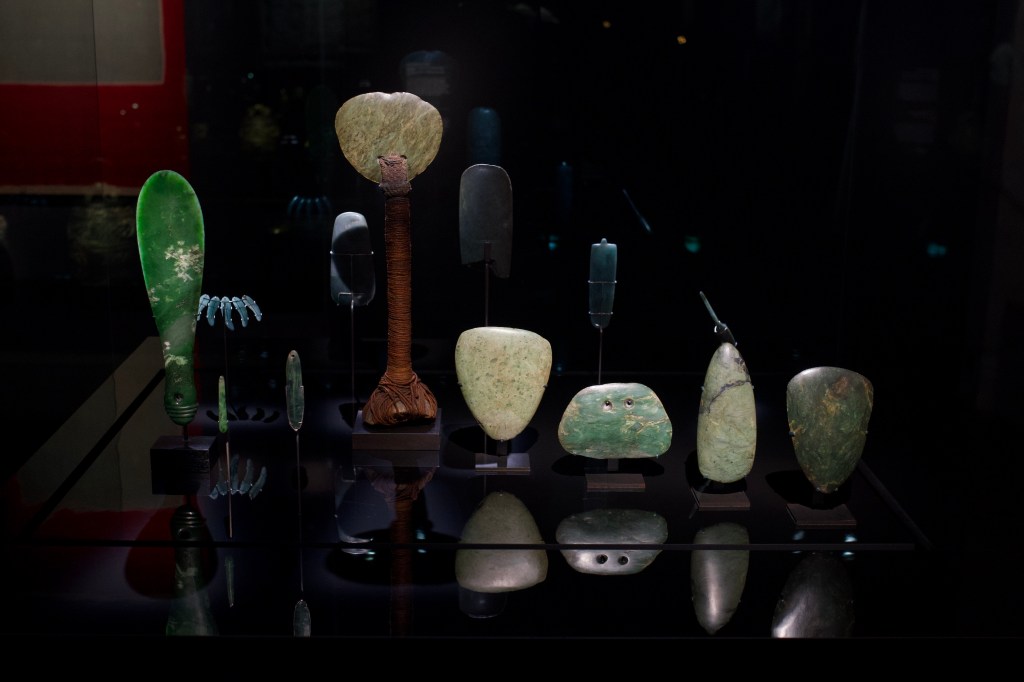
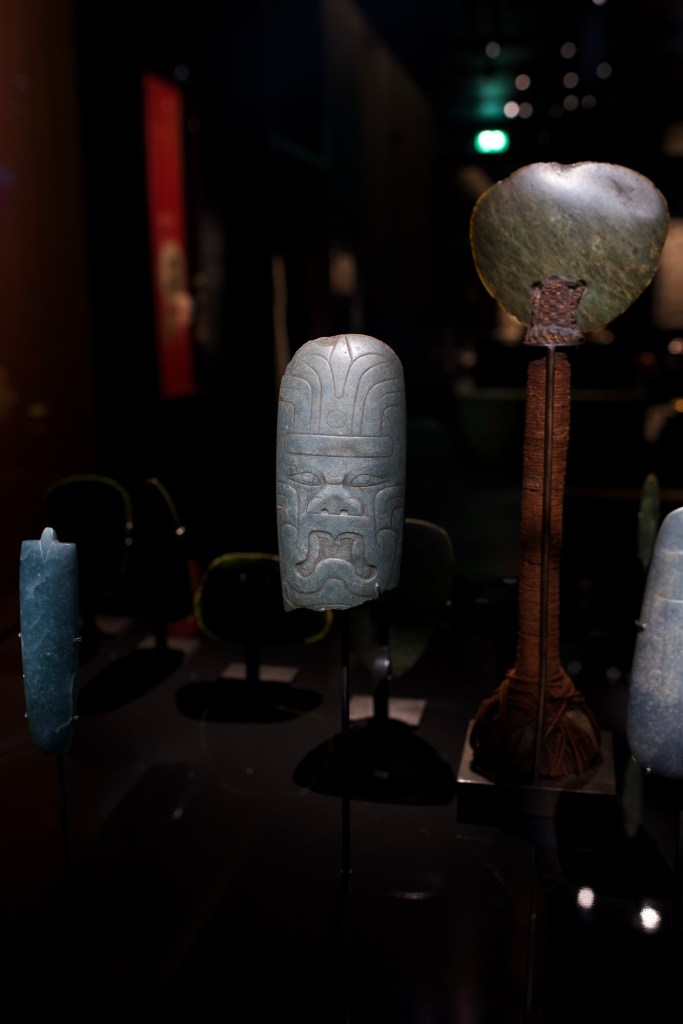
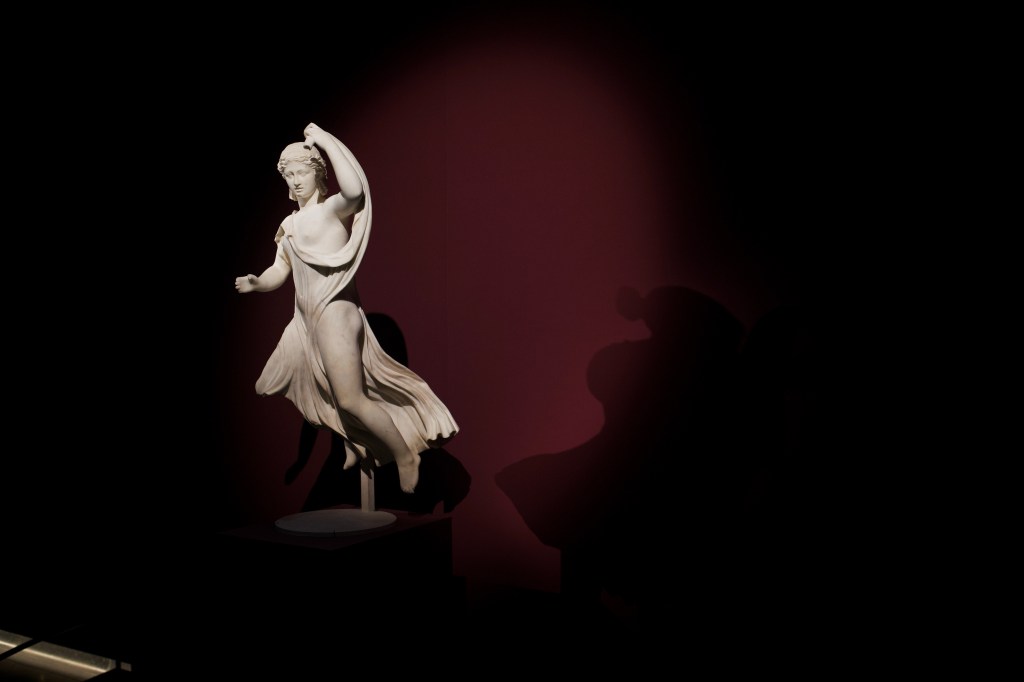
Named after the quote of the English essayist, poet and politician Joseph Addison (1672-1719) the exhibition hosted at the Hôtel de la Marine for one year (until October 2025) proposes to explore the use of colour through history, featuring around 80 artworks from the Al-Thani collection. Black, white, red, yellow, blue and green, the sculptures, ceramics and works presented allow to compare the various material, technique and significance of these objects spanning several centuries, from the third millennium BC until recent years.
Renaissance masterpieces
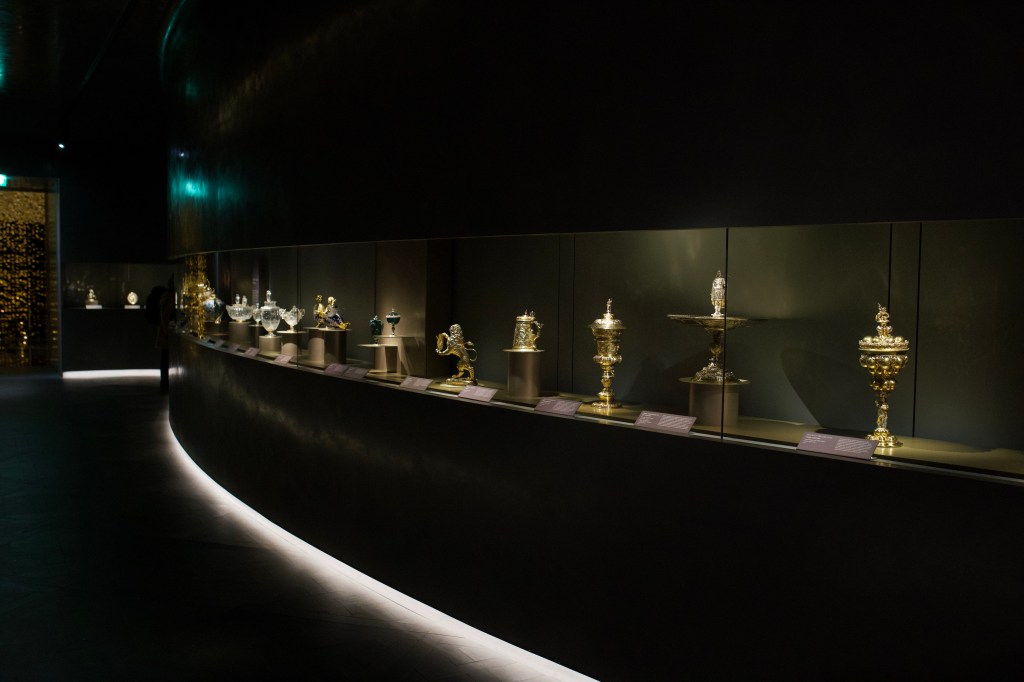
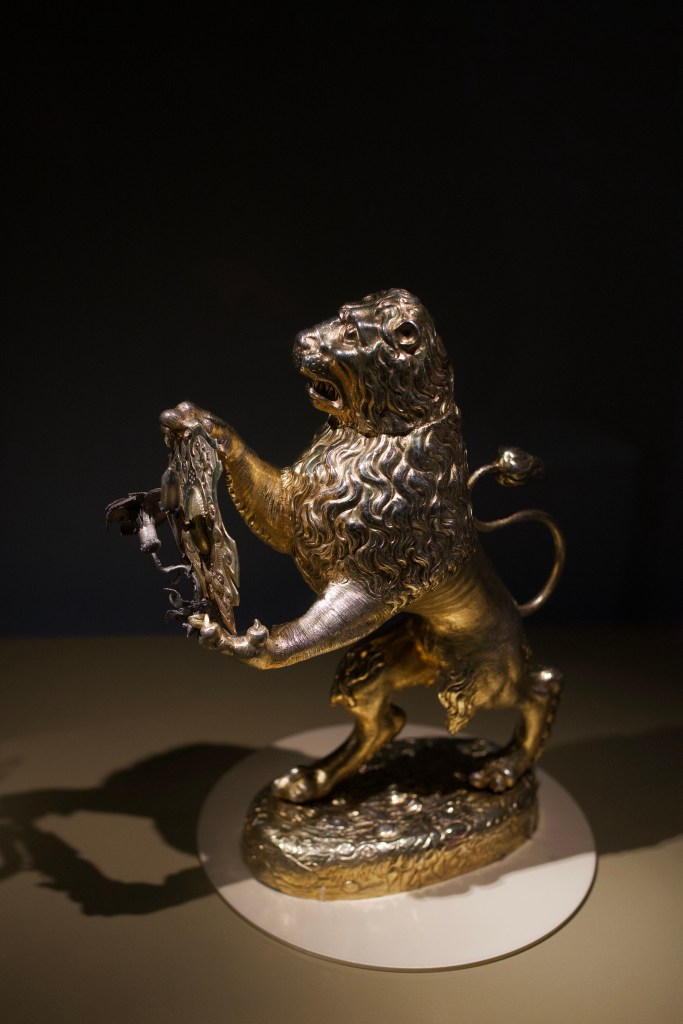
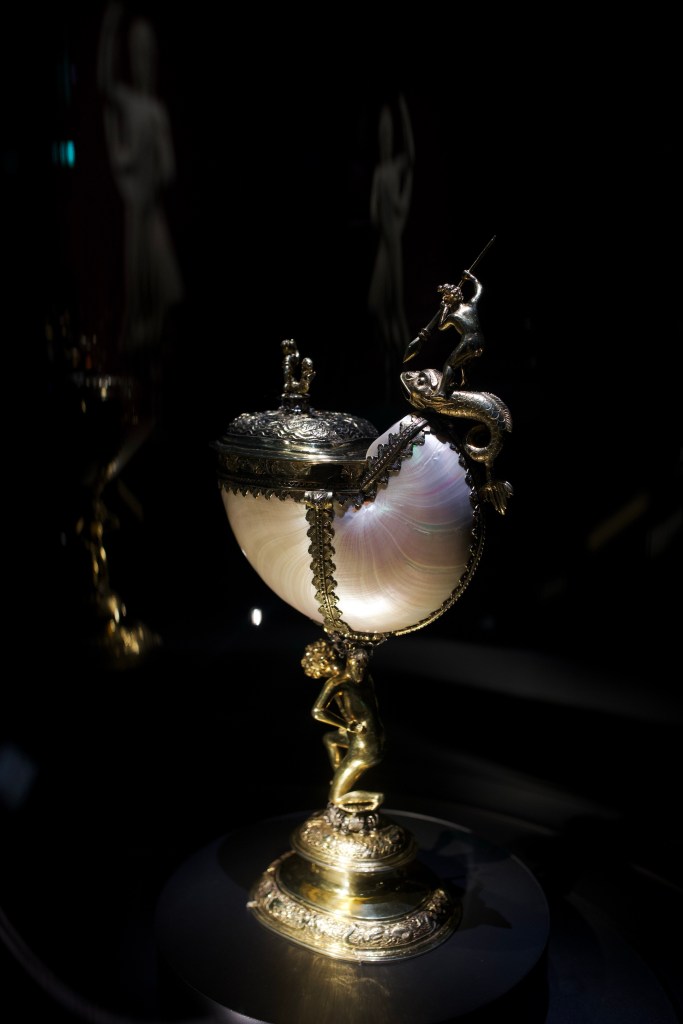
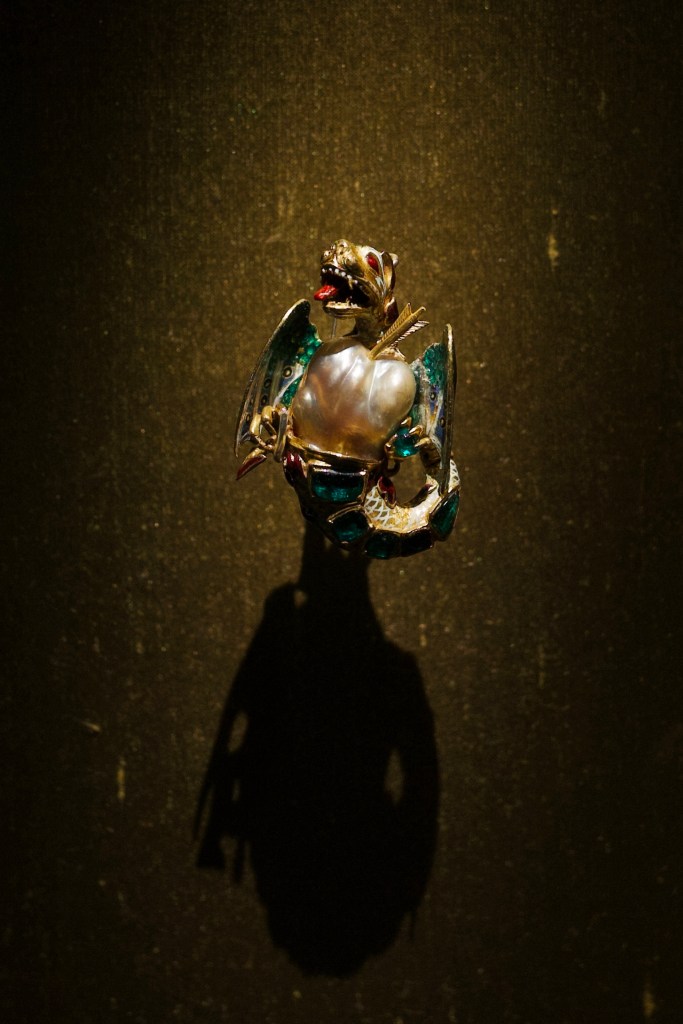
Besides the ‘Colours’ show, some fine and rare jewels and artifacts from the Al-Thani collection are also displayed in the other galleries, highlighting the skills of the European craftsmen who produced these magnificent gems for the royalty and the high society of the 16th and 17th centuries.
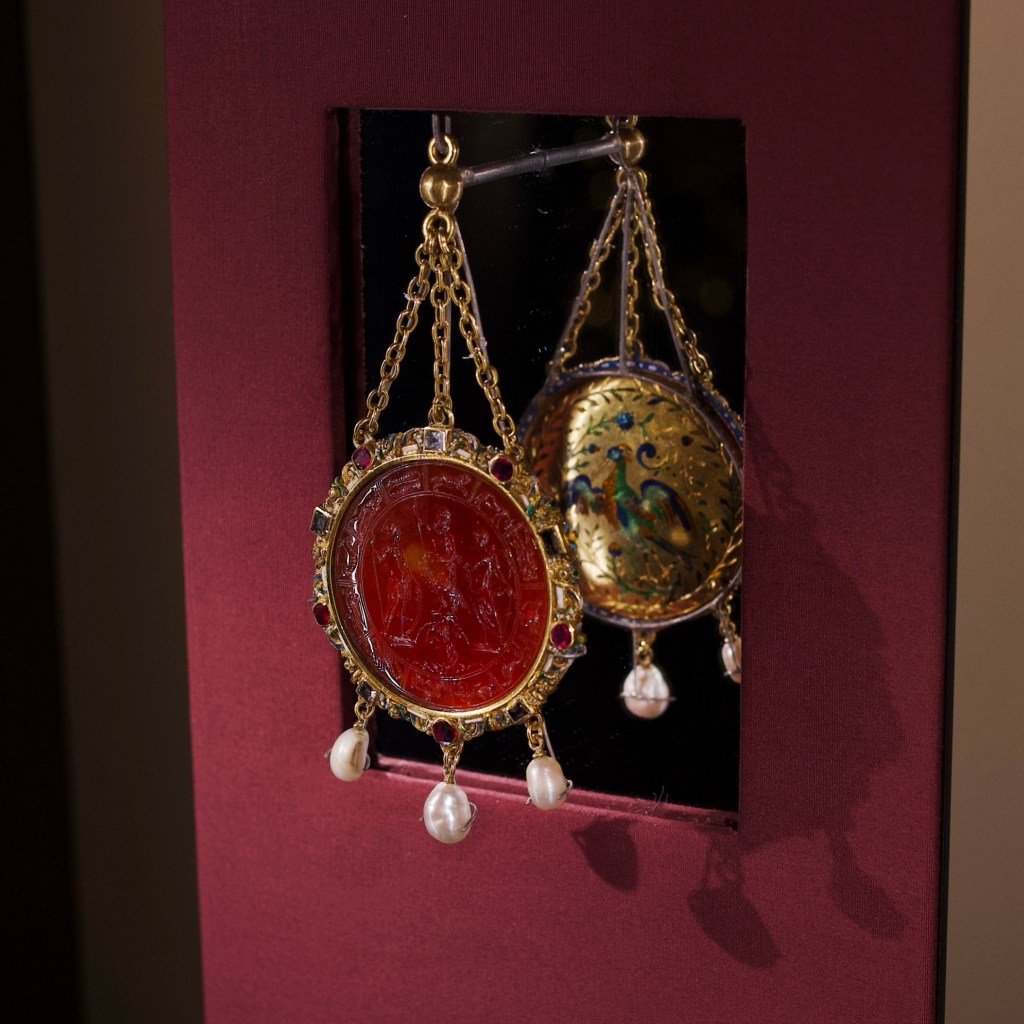
The visit starts with seven exceptional jewels which includes the Arundel Zodiac with its carnelian intaglio depicting Jupiter on an eagle, along with Mars and Mercury, and Neptune underneath, circled by the twelve signs of the Zodiac, mounted in a gold pendant set with diamonds and rubies. On the back, an enamel represents a colorful crane surrounded by flowers and laurels. This exceptional jewel once belonged to two of the greatest gem collections: the Arundel and Marlborough collections.
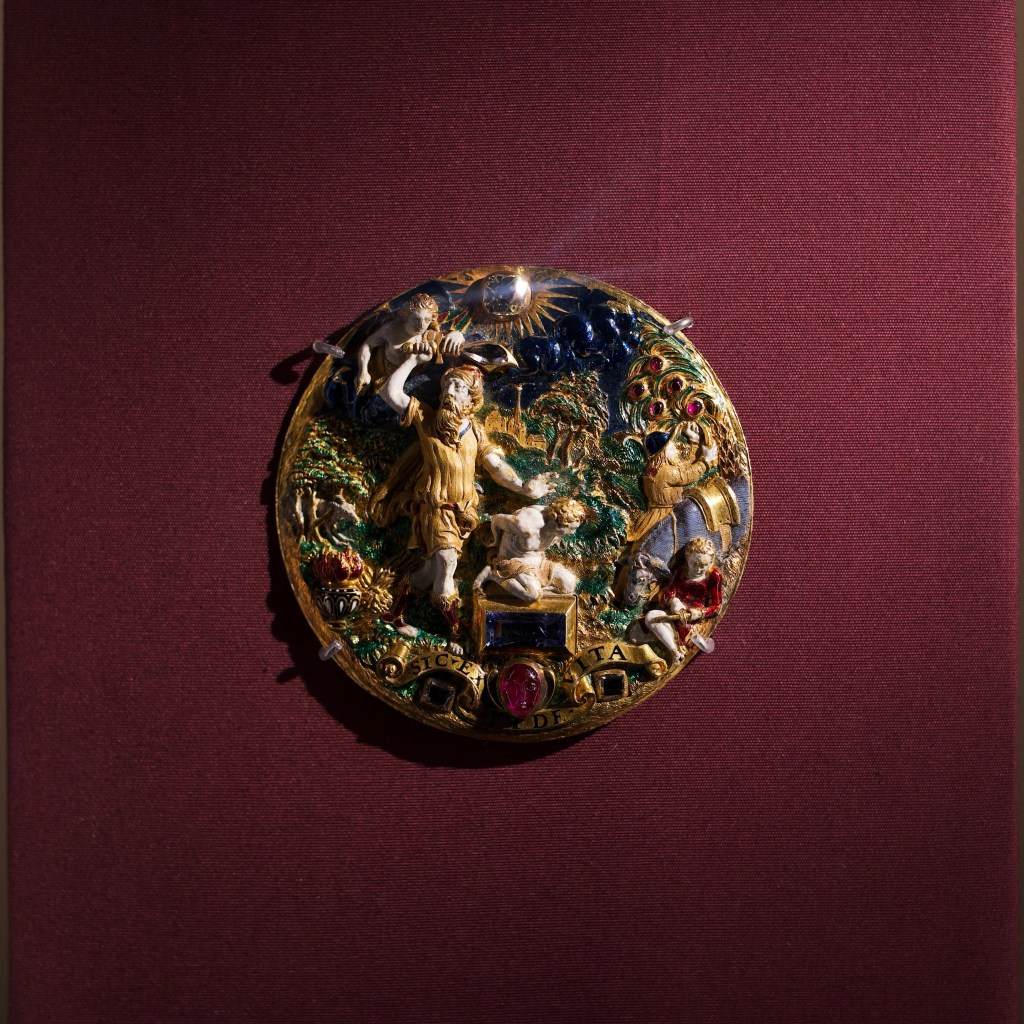
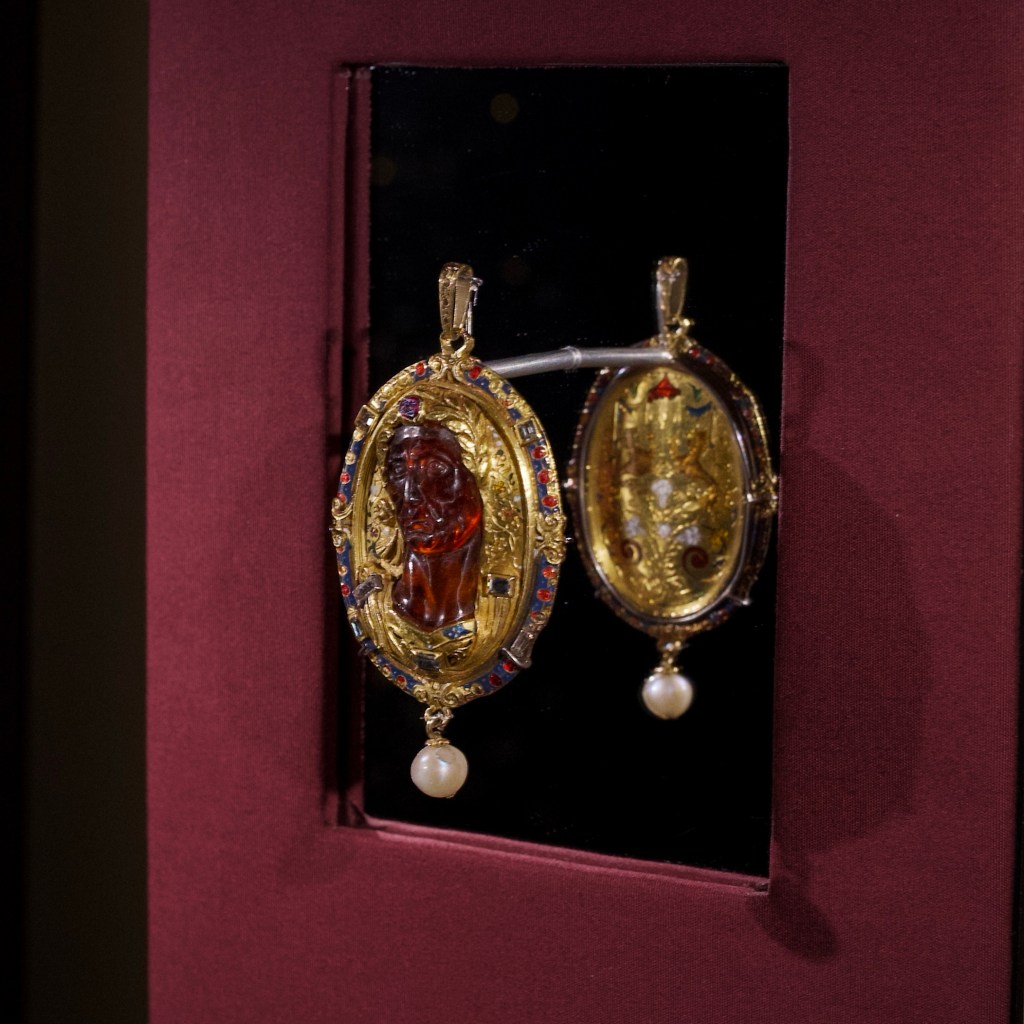
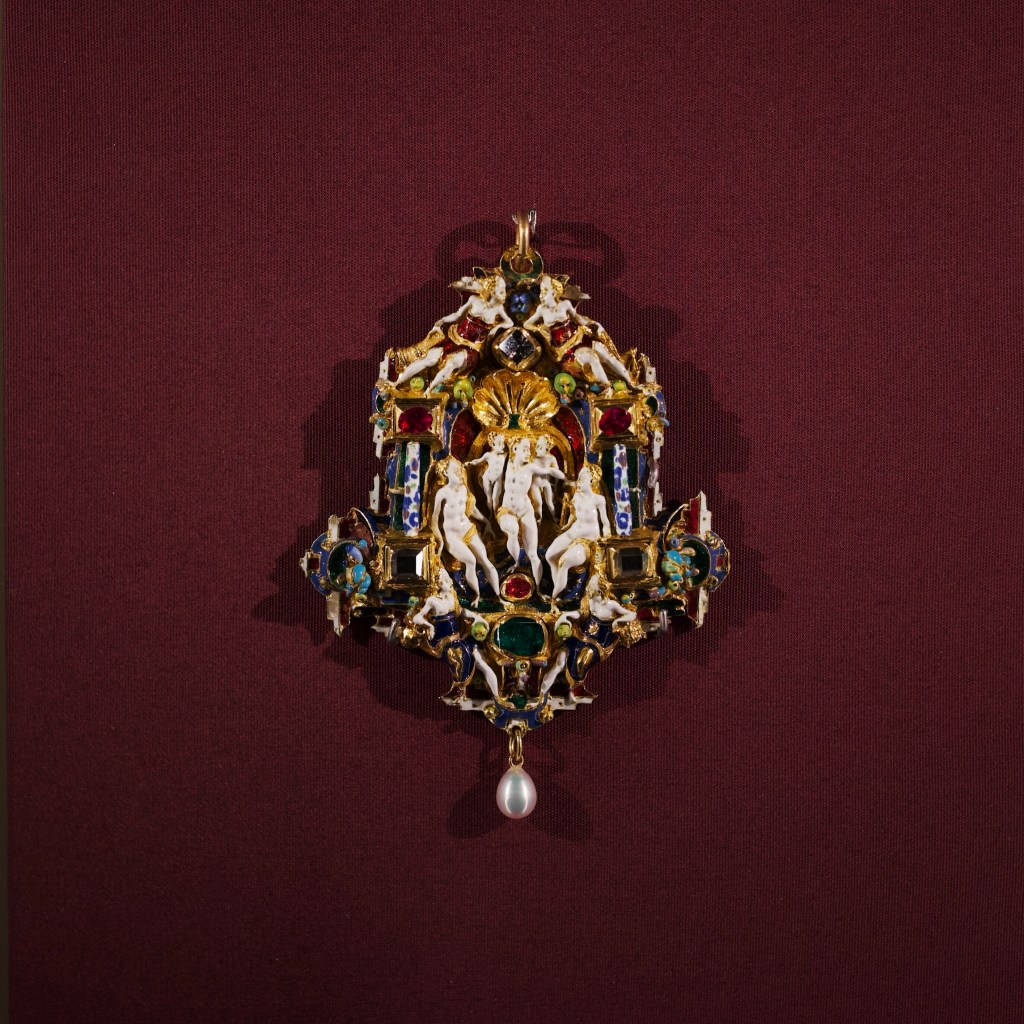
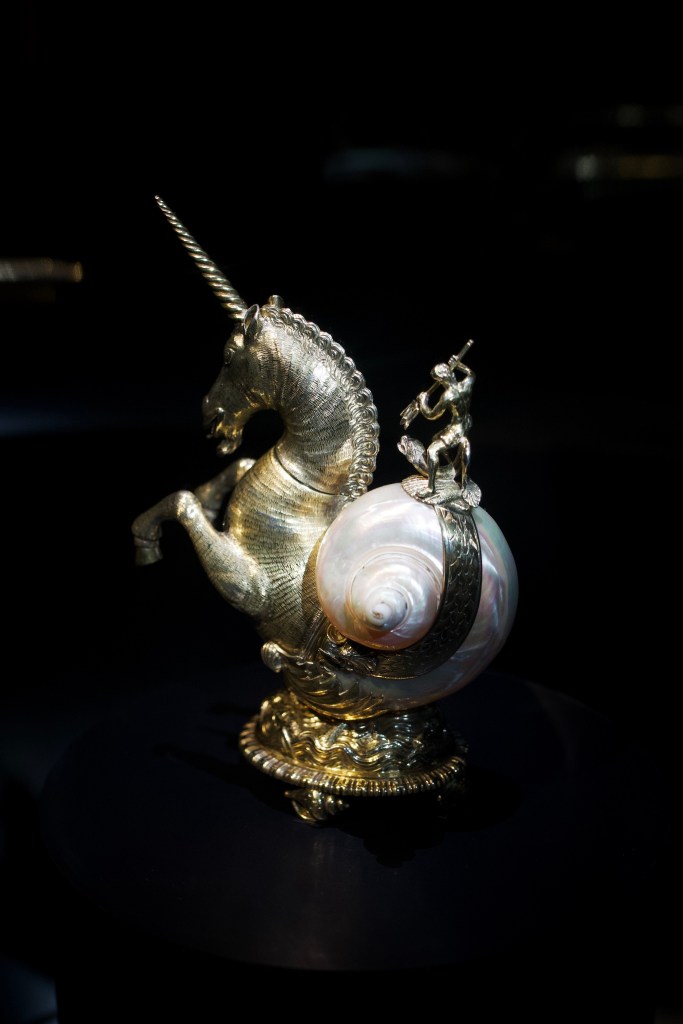
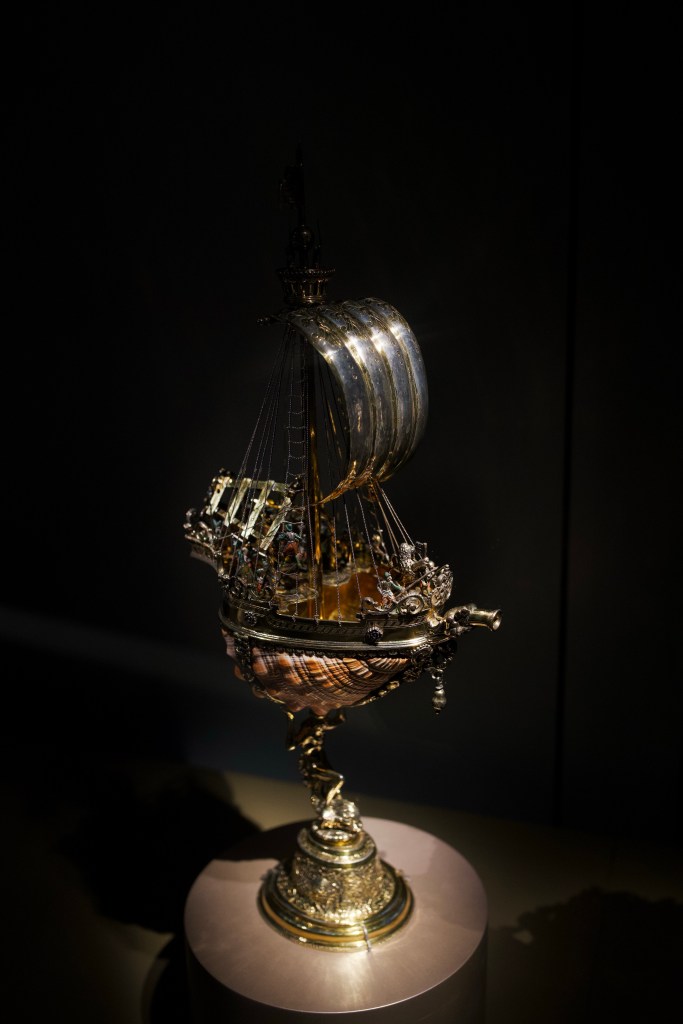
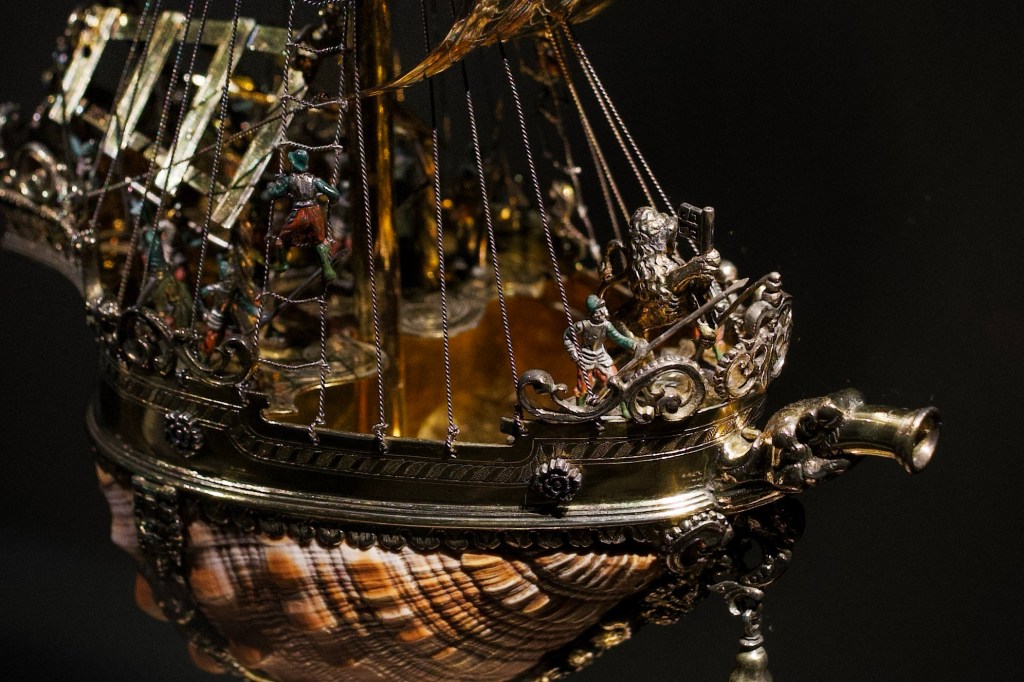
The creativity of the finest Renaissance artisans also expressed in vases, cups and plates, mixing metal and shell to produce magnificent and unique objects – see for instance the ship below whose hull is made with a tutufa bubo shell (a large sea snail) and the small details of the crew and the boat.
Sources:
- ‘Colour speak all languages’ exhibition at the Hôtel de la Marine
- The Arundel Zodiac sold at Sotheby’s London on July 15th, 2021
Photos credits: @elegantinparis
 Elégances Parisiennes