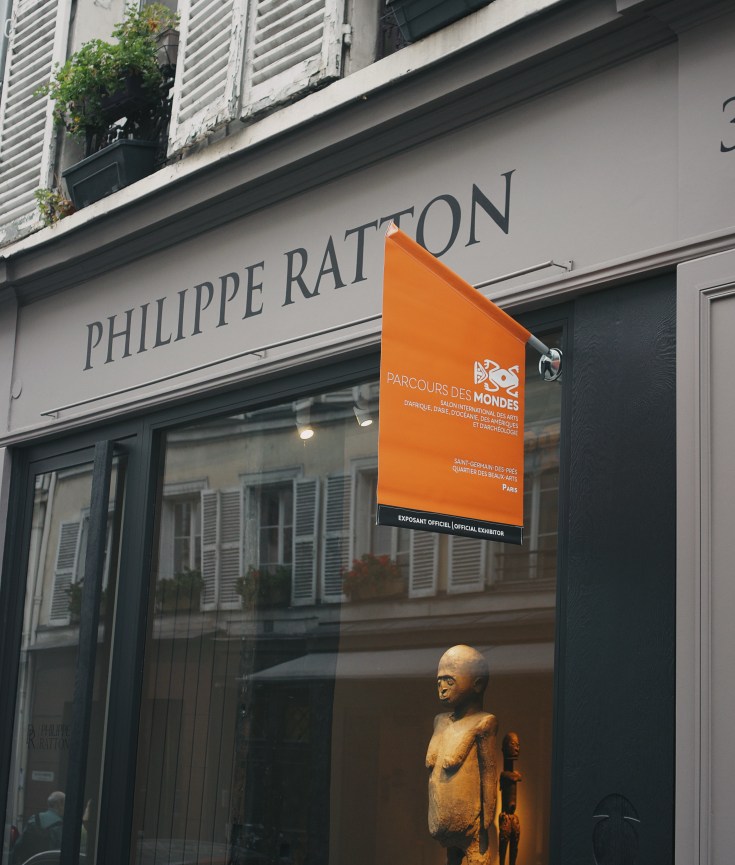

The 25th edition of Parcours des Mondes took place from September 8 to 13 in the galleries of Saint-Germain-des-Prés. One of the leading Parisian events dedicated to the arts of Africa, Oceania, and the Americas, it turns the neighbourhood into an open-air journey through galleries and exhibitions, with each edition offering new discoveries.
Rather than attempting to give an overview of the event, I simply wanted to share a personal selection of the works that caught my attention as I walked from gallery to gallery.
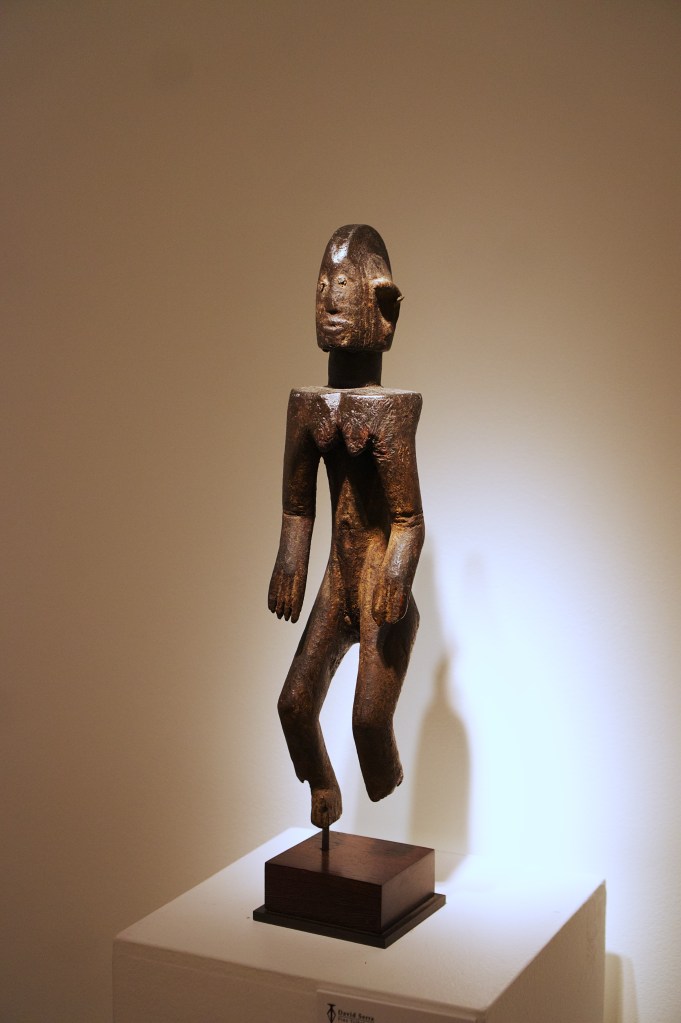
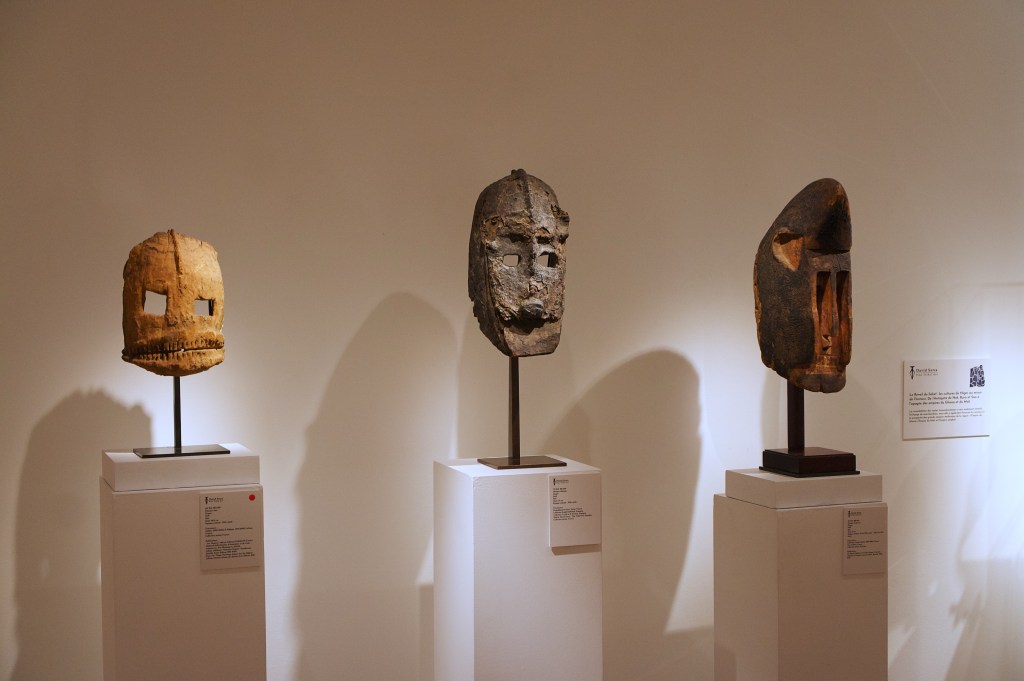
Galeria David Serra
Let’s start with Galeria David Serra, from Barcelona, and its exhibition The Secrets of the Sand: A Visual Journey between the Mediterranean and the Gulf of Guinea. The gallery brings together several works from the Dogon, Bamana and Senufo traditions. Among them, the Dogon masks stand out for their raw, powerful forms and striking expressiveness: from the stylised human features of the Tata and Albarga masks to the almost uncanny presence of the Black Monkey.
Adrian Schlag
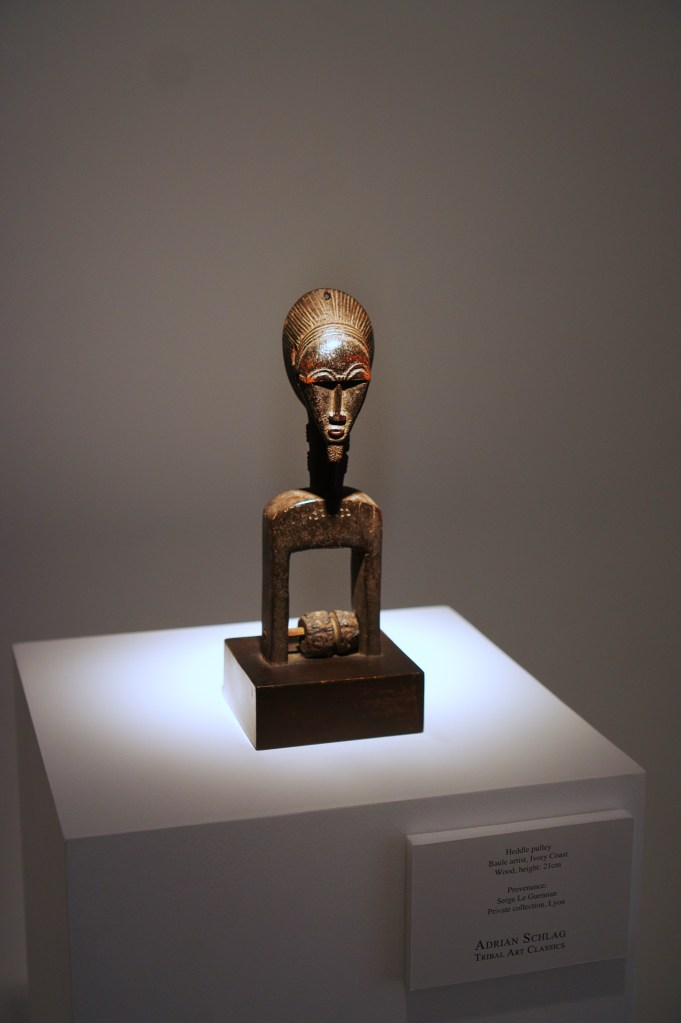
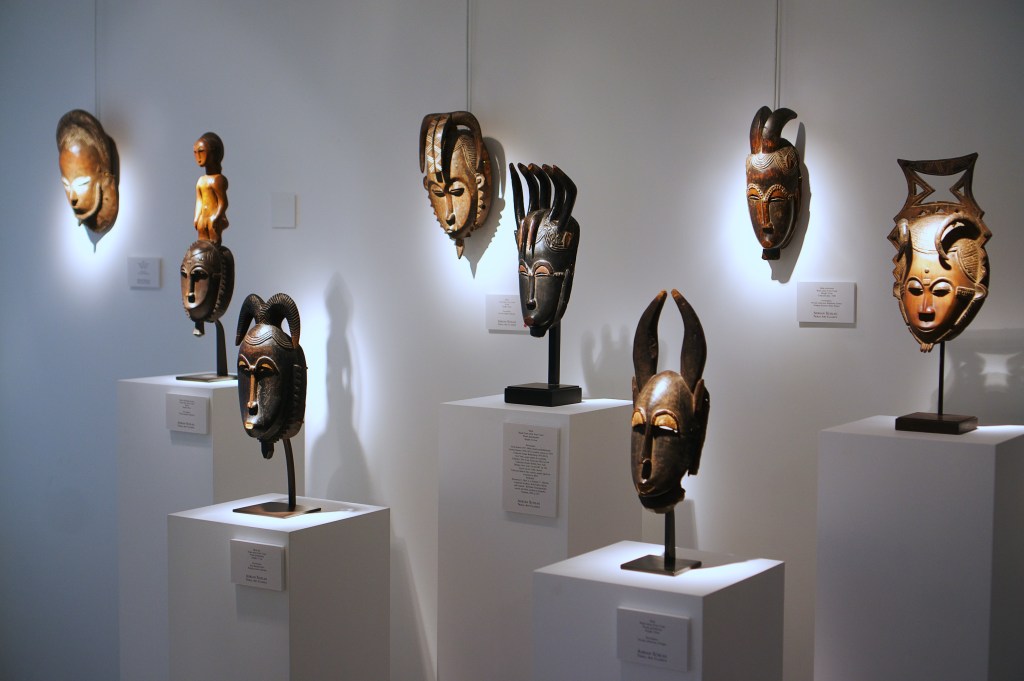
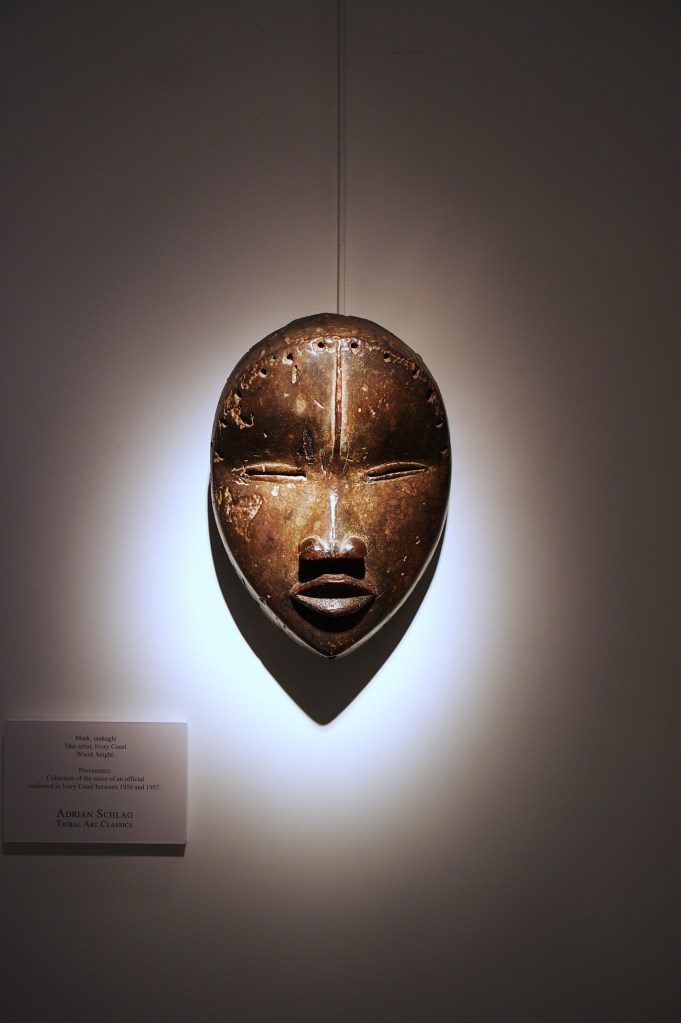
Next, at Adrian Schlag, whose galleries are based in Brussels and Ibiza, the exhibition Ivory Coast, Masks and Figures brought together several classic works from the Baule, Guro and Youre cultures. Elegant proportions, refined forms and finely carved details were recurring features across the selection, with both masks and figures on display.
Galerie Monbrison
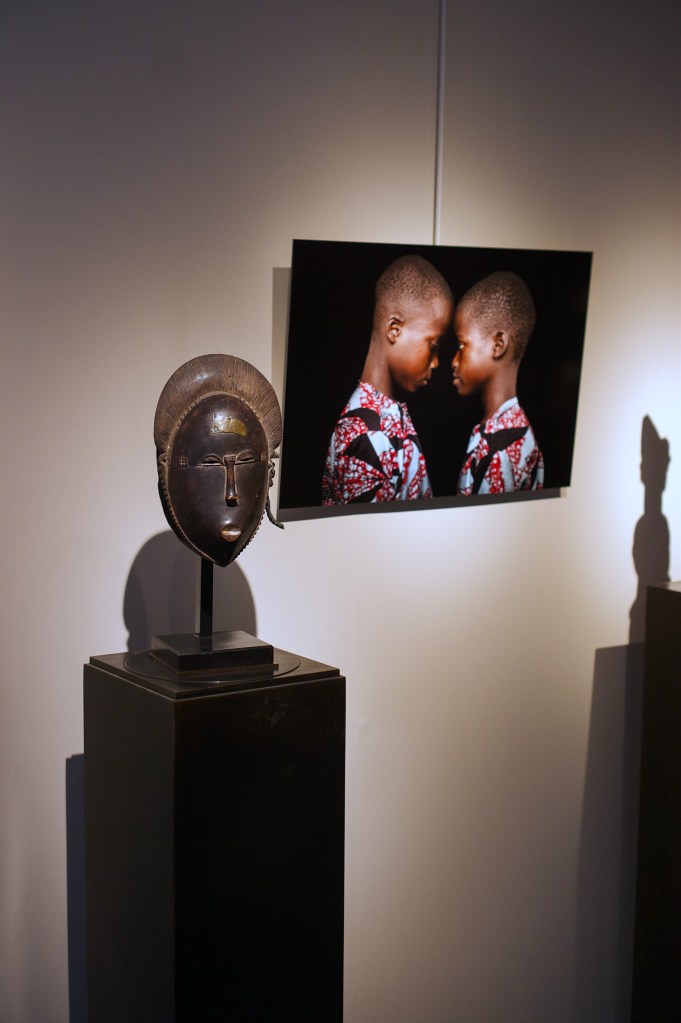
Galerie Monbrison proposed a photographic exhibition featuring images of Igboora, a Nigerian village renowned for its unusually high rate of twin births, alongside a selection of works from West Africa. The photographs provided an unexpected contemporary perspective on the cultural context surrounding these traditional objects.
Galerie Flak
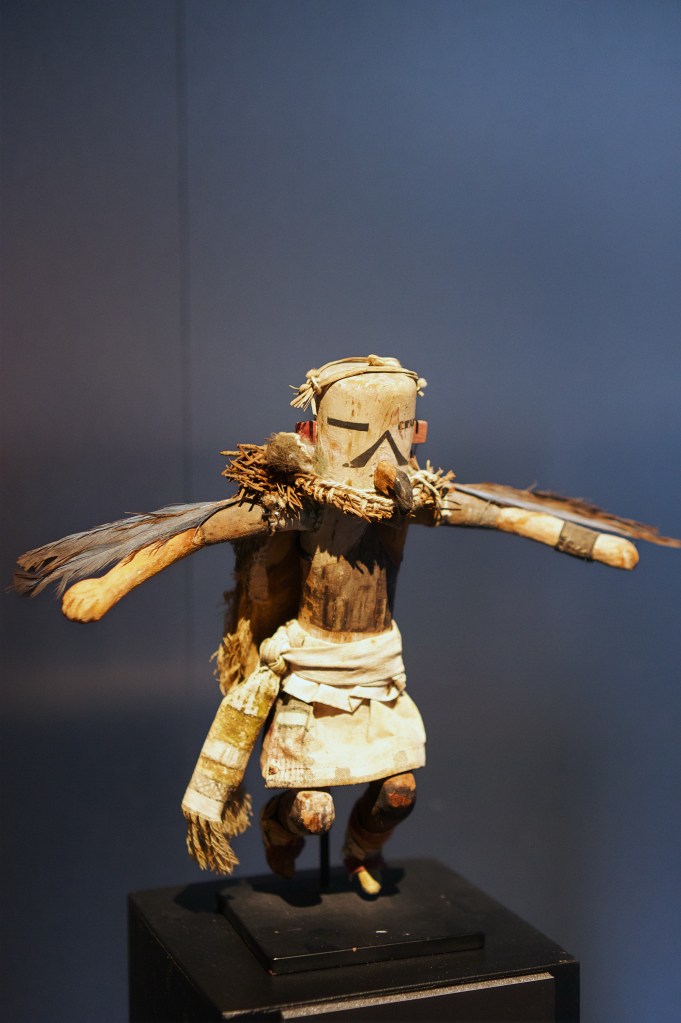
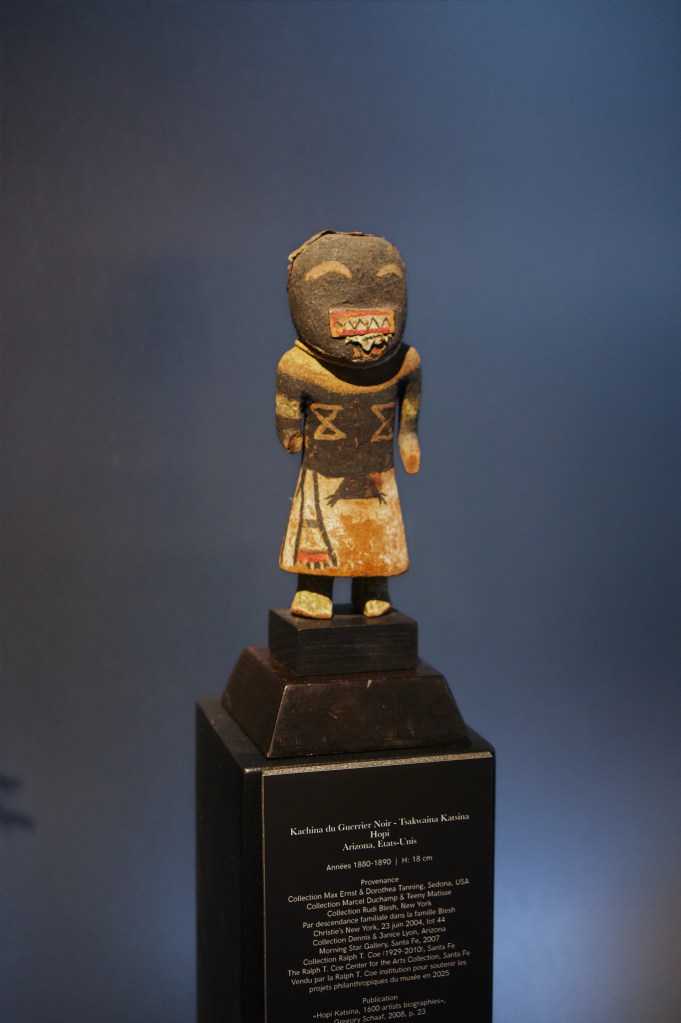
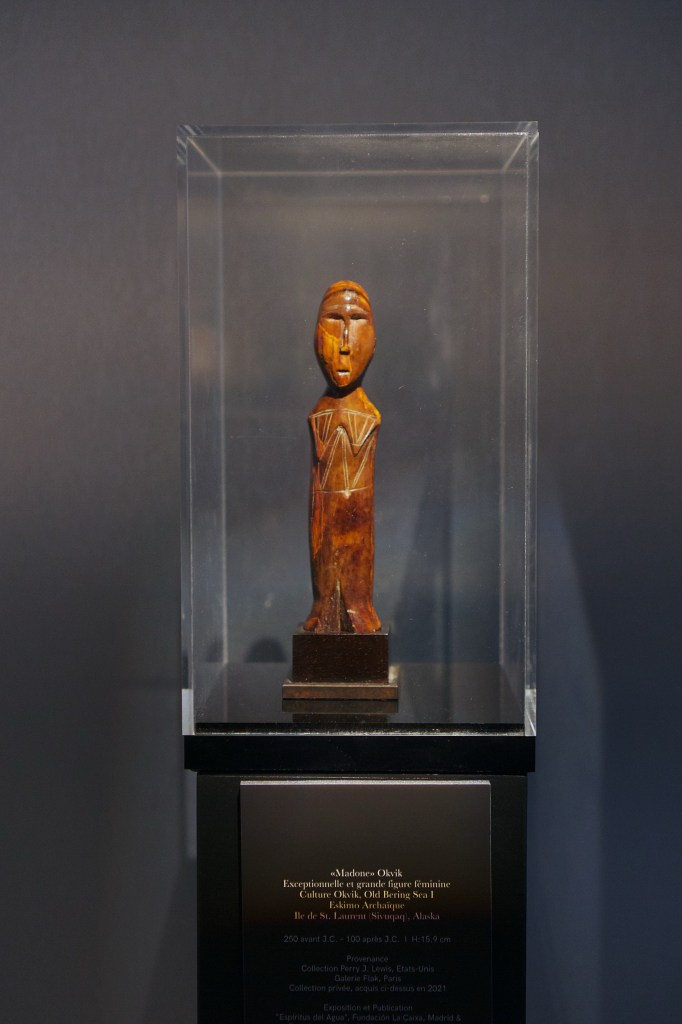
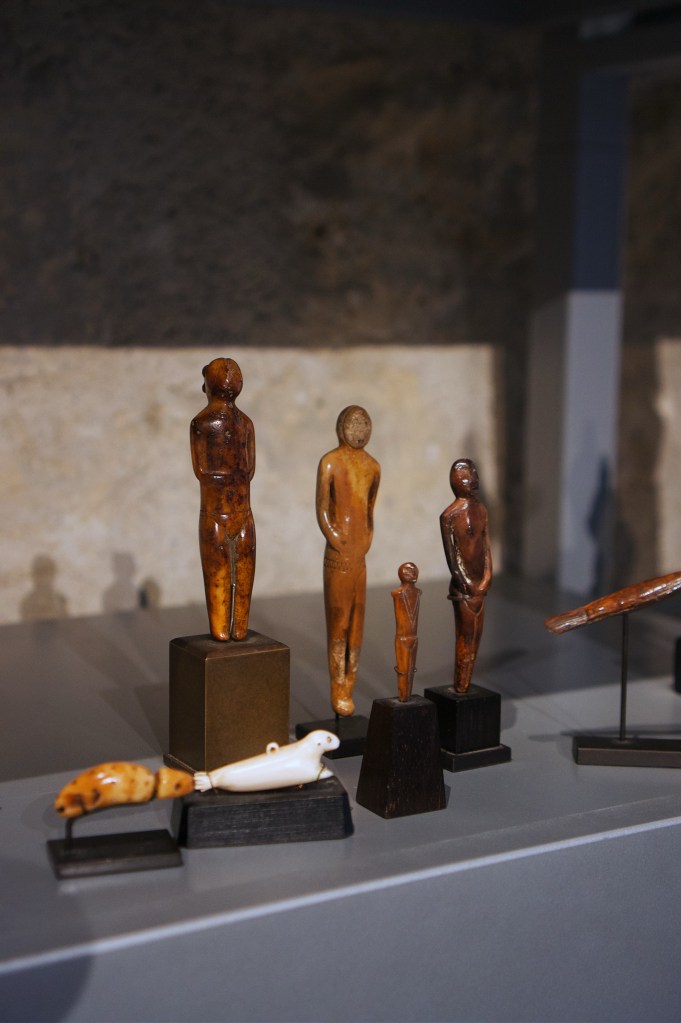
Still on Rue des Beaux-Arts, let’s stop at Galerie Flak and its collection of Kachina dolls. My favourite work of this edition of Parcours des Mondes is probably this rare Eagle Dancer Kachina, with its outstretched, feathered arms, dynamic pose and striking combination of carved wood, fabric and natural materials. The gallery also presented beautiful anthropomorphic figures from the Okvik and Thule cultures, two ancient traditions from the Bering Strait and the Arctic, respectively.
Galerie Yann Ferrandin
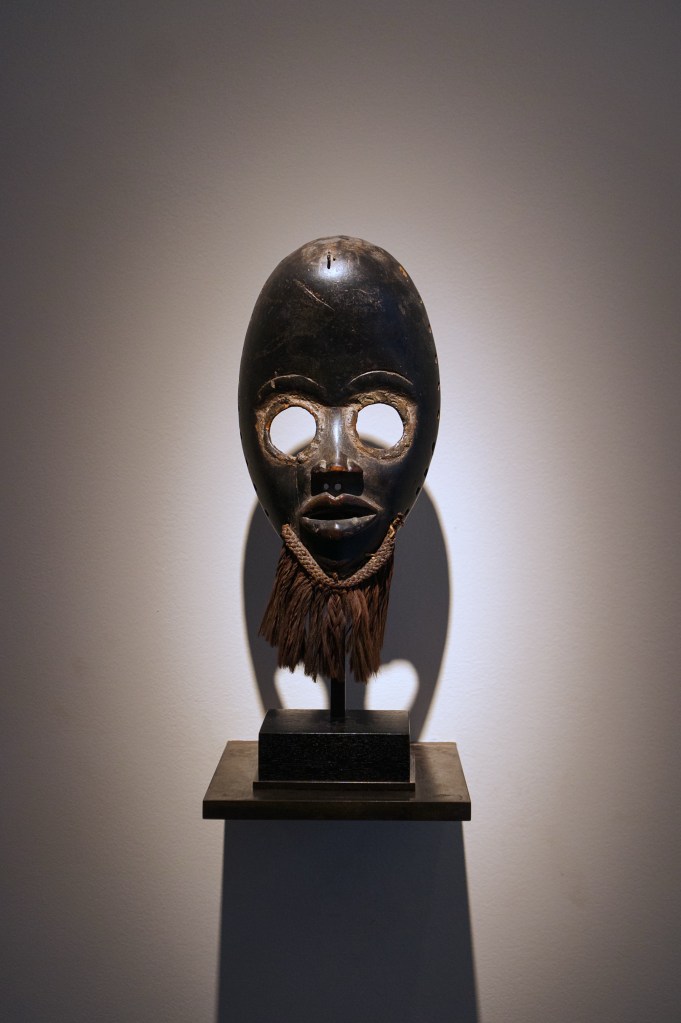
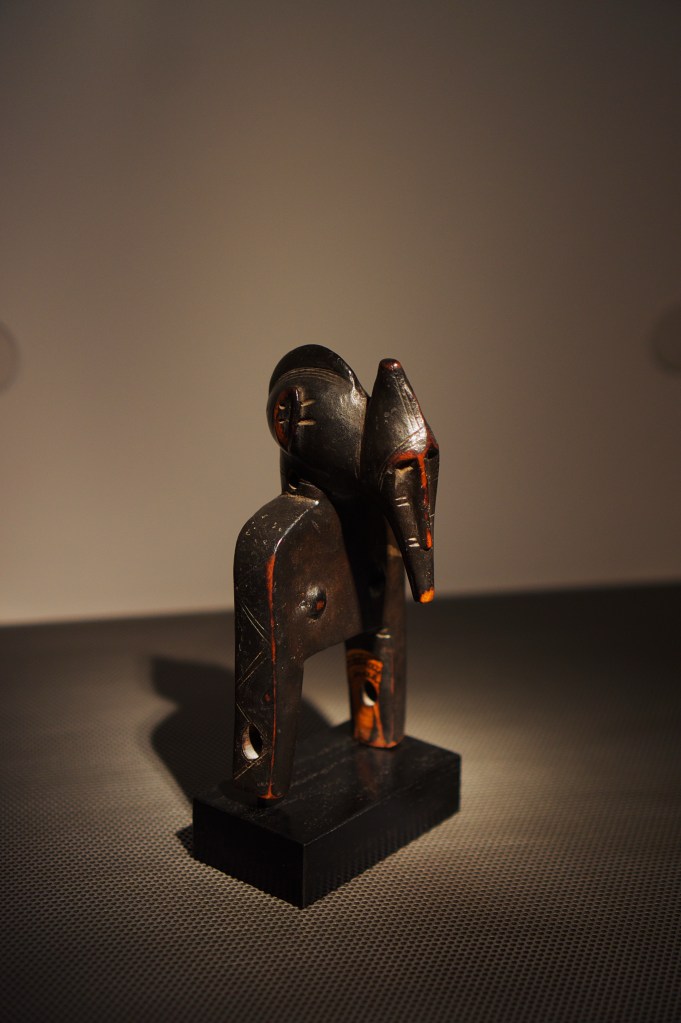
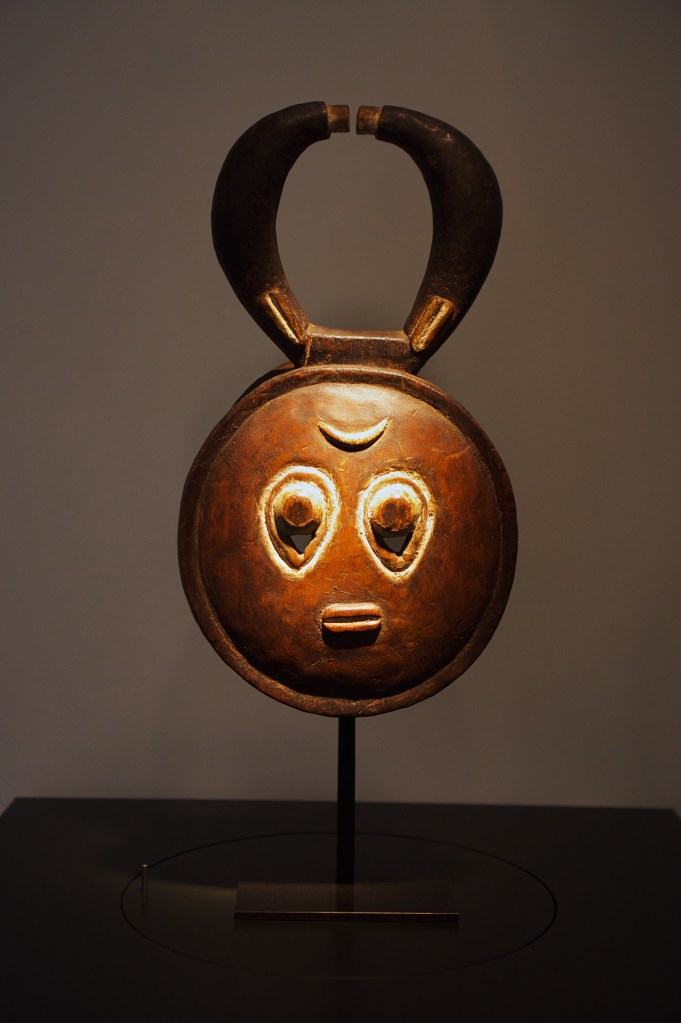
Moving on to Rue de Seine, Galerie Yann Ferrandin brings together ancient African art and Japanese works. Yann Ferrandin has specialised in African, Oceanic and North American art since 1994, while his long-standing interest in Japanese art is shared with his Japanese wife. Among the works I photographed were an elegant Bambara or Senufo heddle pulley with a mask-bearing figure, and a striking Baoulé Kplé-Kplé mask.
Galerie Philippe Ratton
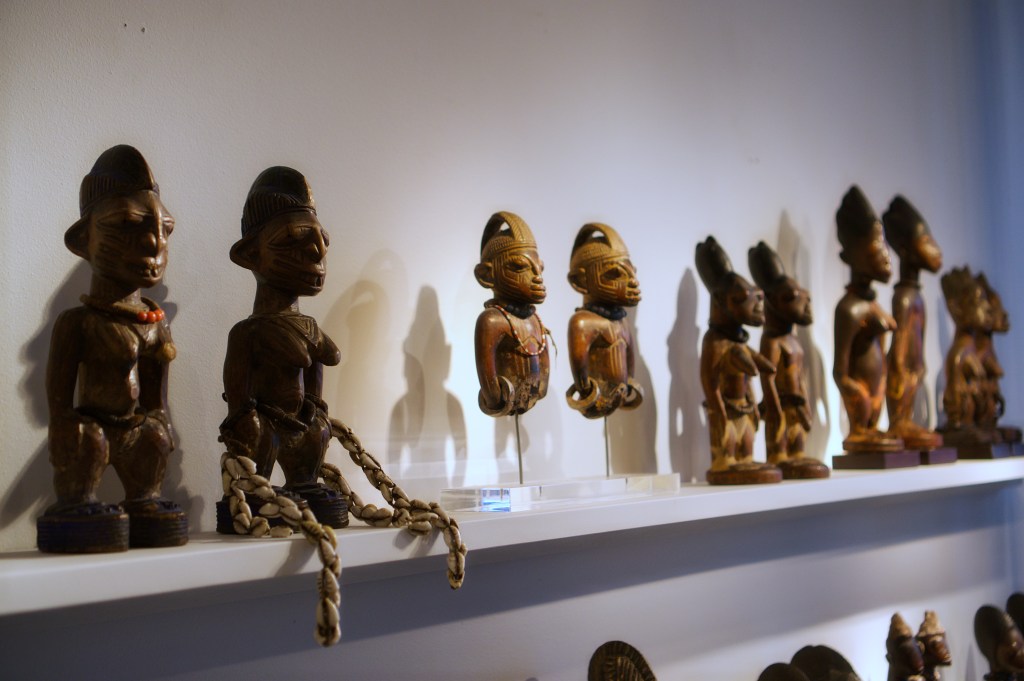
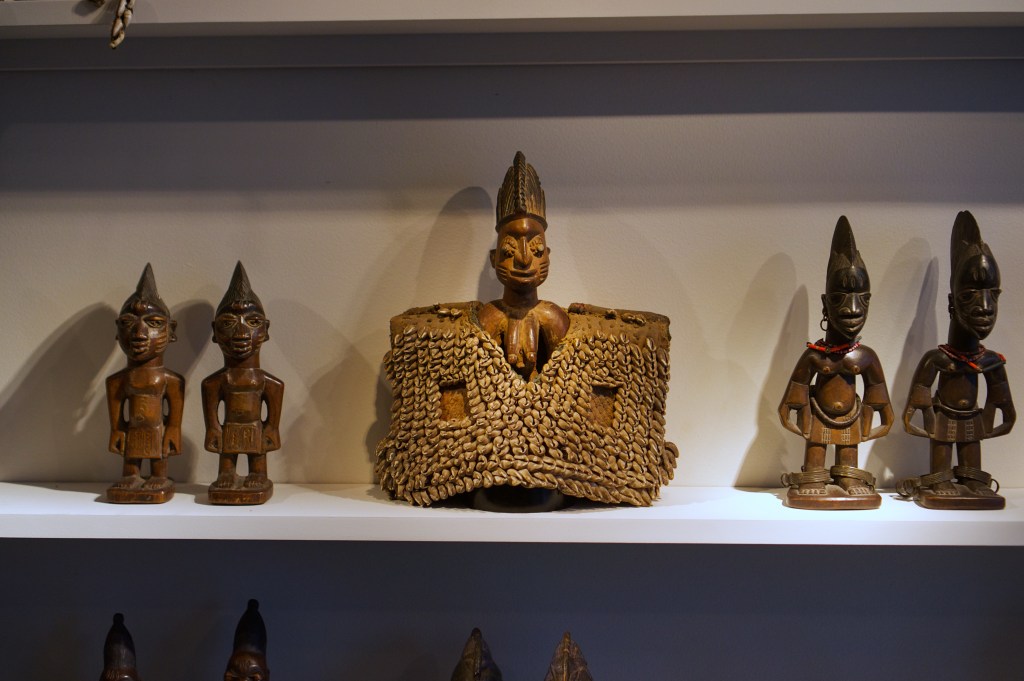
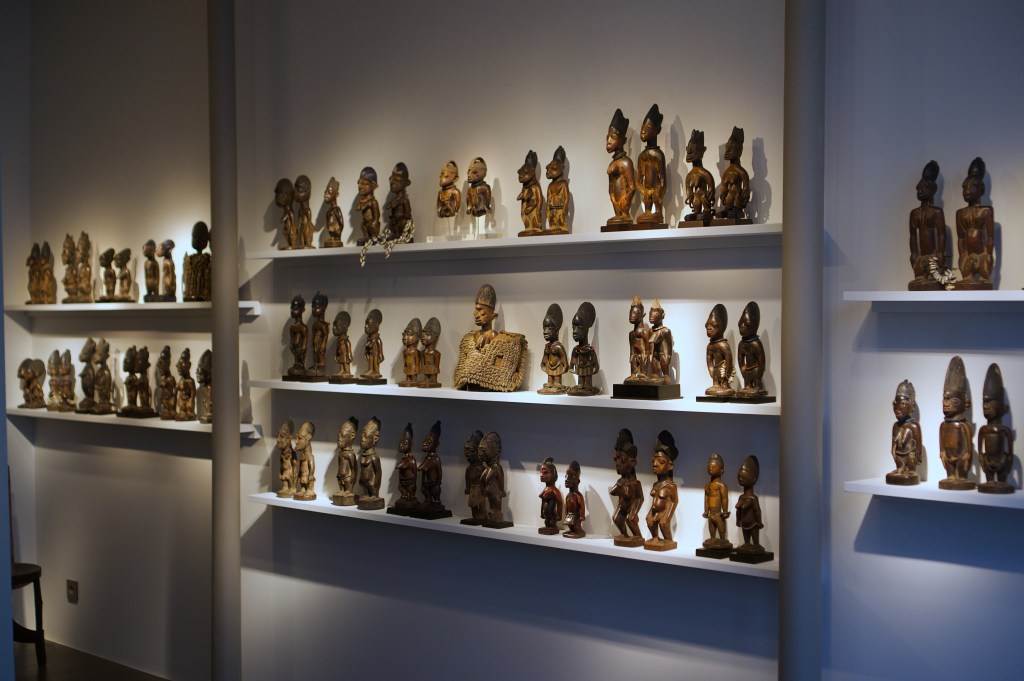
Galerie Philippe Ratton offered an original exhibition dedicated to Ibeji, the wooden twin figures of the Yoruba people of Nigeria. Twins hold a special status in Yoruba culture, and when one dies, an Ibeji may be carved to embody the spirit of the deceased twin. The figure is then cared for by the family as if it were a living child, being washed, dressed and adorned. The exhibition brought together a remarkable variety of male and female figures, each with its own distinctive features and character.
Galerie Lucas Ratton
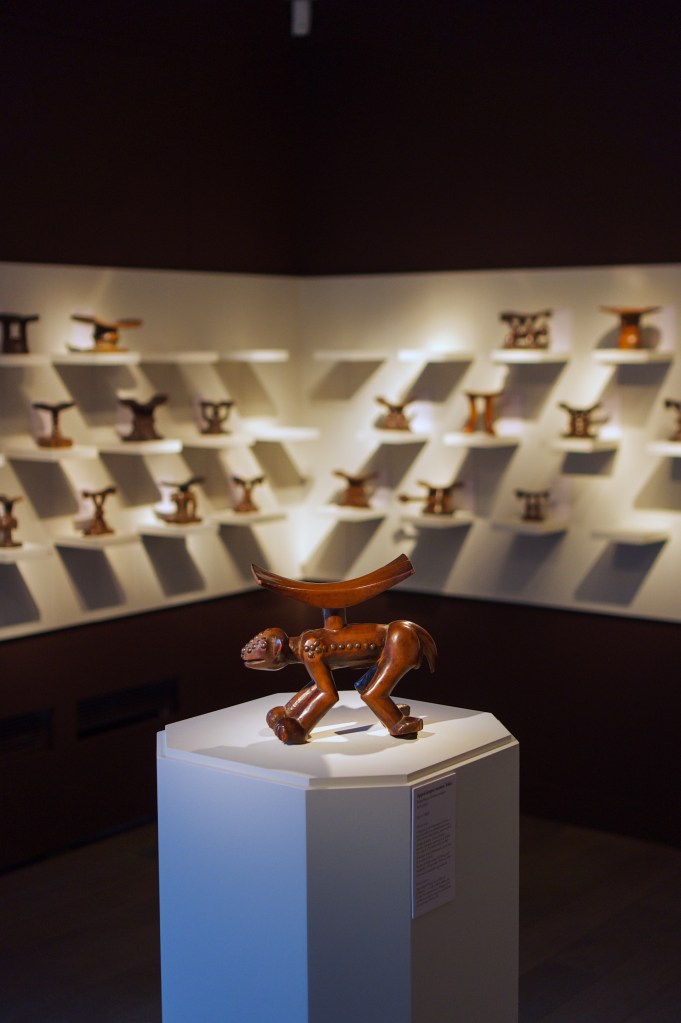
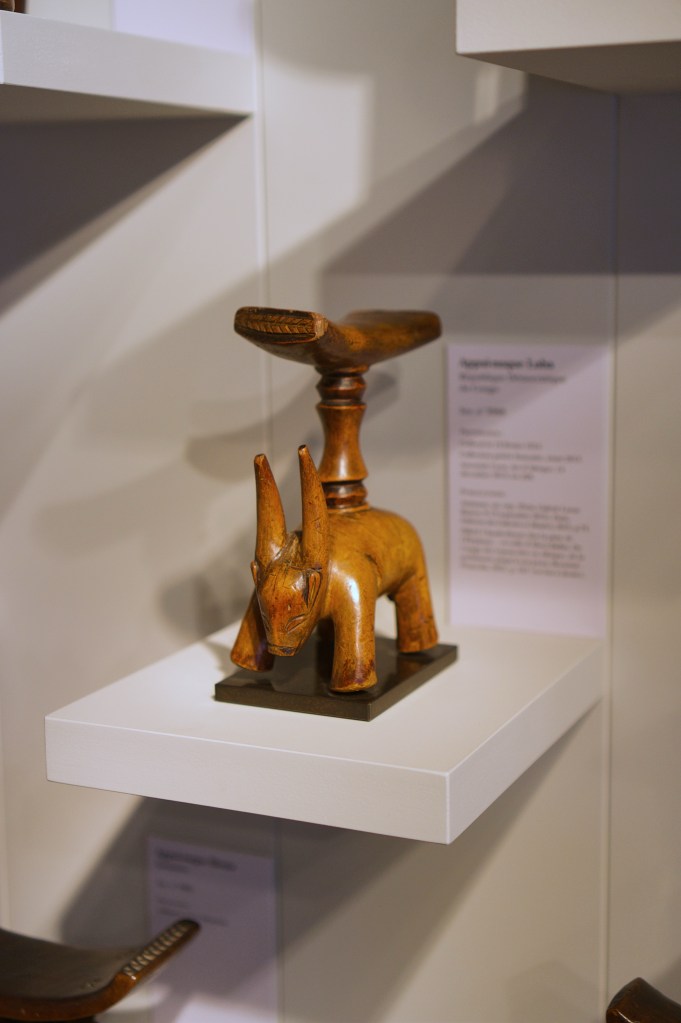
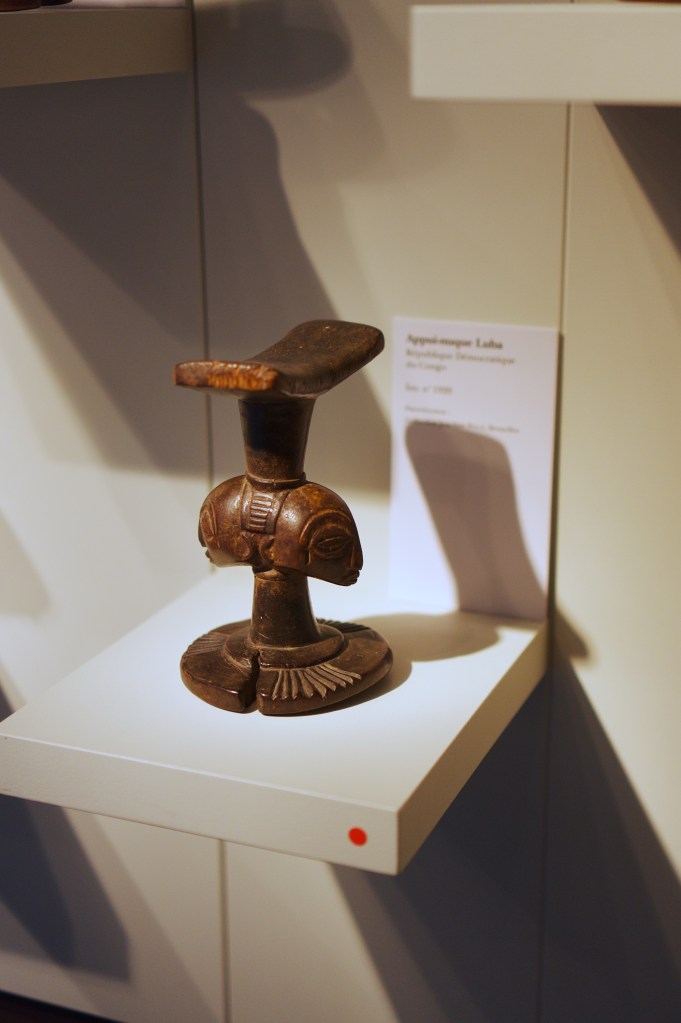
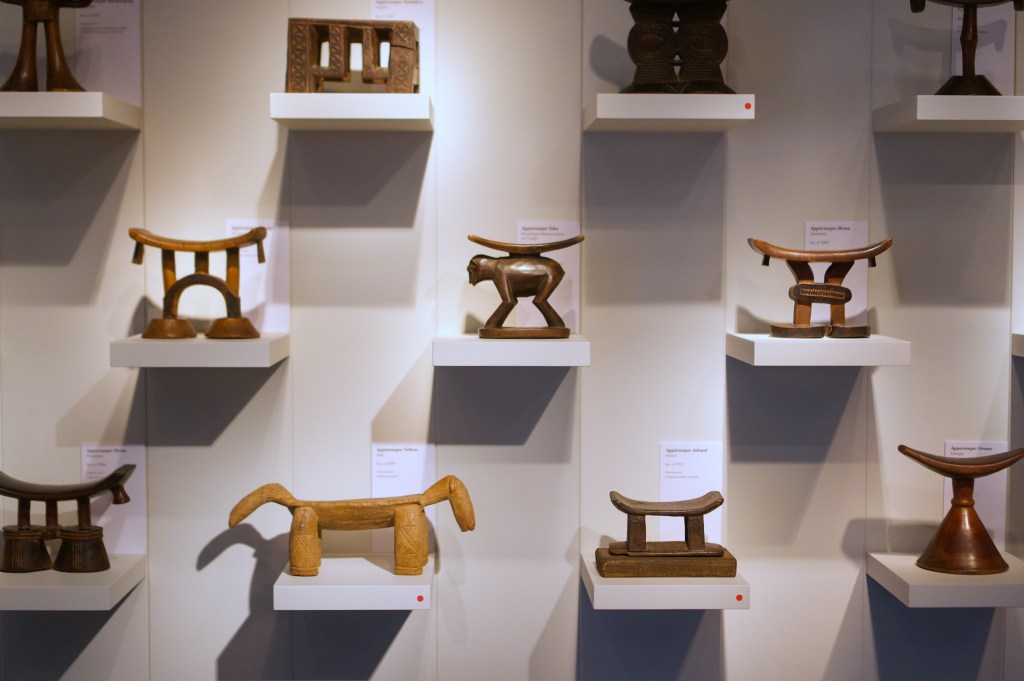
Finally, at Galerie Lucas Ratton, we find another of the gallery’s thematic exhibitions. After last year’s remarkable presentation of African combs, this year the gallerist (son of Philippe Ratton and great-nephew of the celebrated dealer and collector Charles Ratton) turned to a large selection of African headrests from his personal collection. A simple functional object in appearance, the headrest takes an extraordinary variety of forms: crescent-shaped, rectangular, with one or several supports, sometimes geometric, sometimes figurative or zoomorphic. Their remarkable diversity makes these small objects as much a study in form as in function.
Photos credits: @elegantinparis
 Elégances Parisiennes